






אנו משתמשים בקובצי עוגיות כדי לשפר את חוויית הגלישה שלך באתר. בשימושך באתר, אתה נותן את הסכמתך לשימוש בעוגיות.
- Fast nationwide shipping starting at just 12 NIS
- Free shipping on orders over 500 NIS
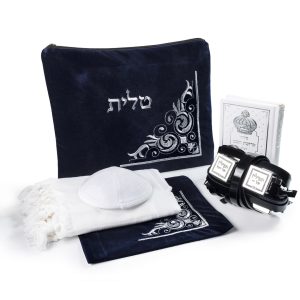
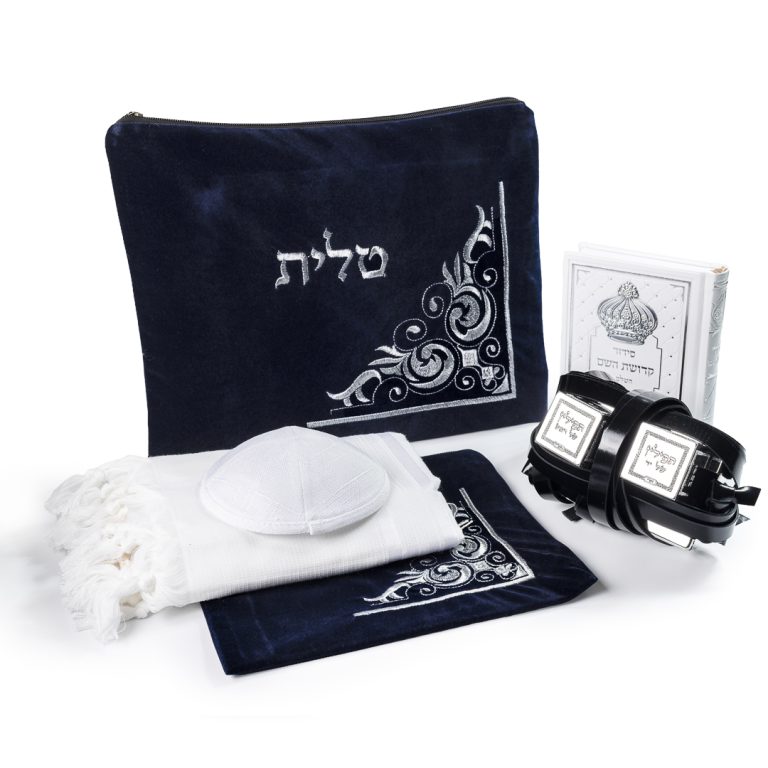
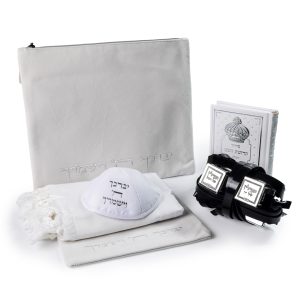
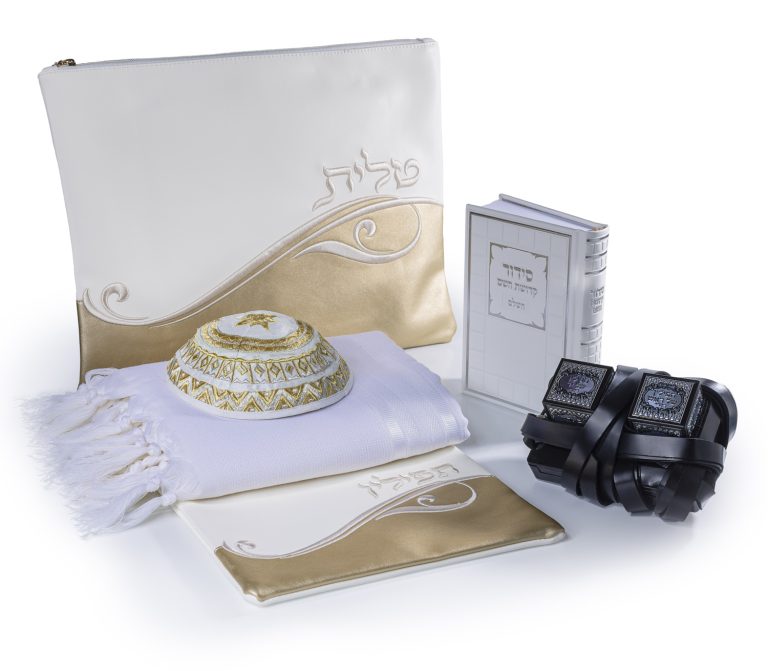
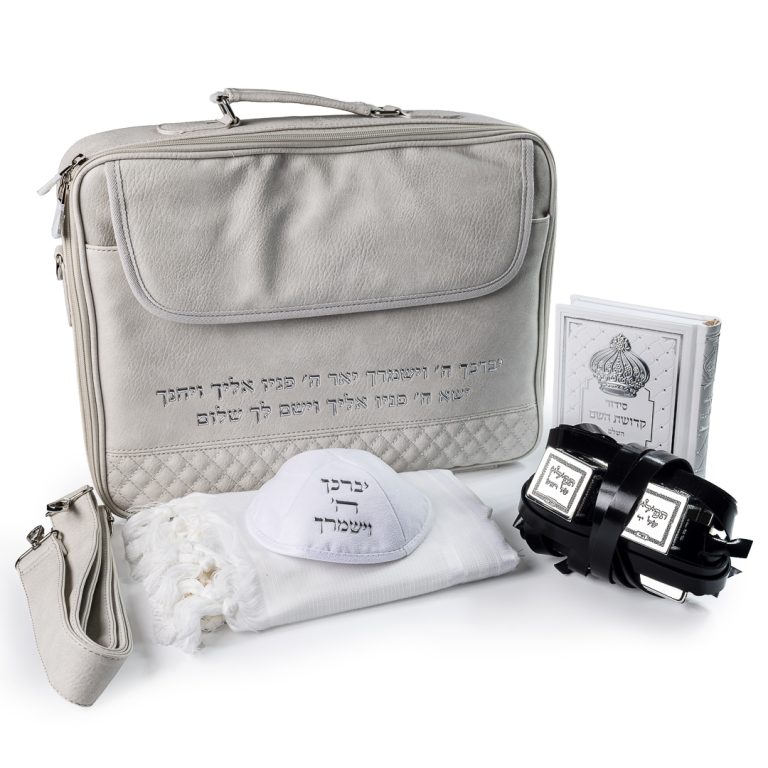
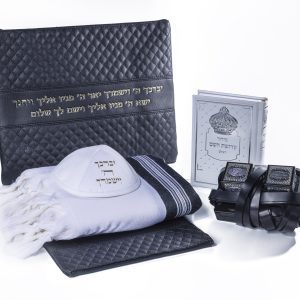
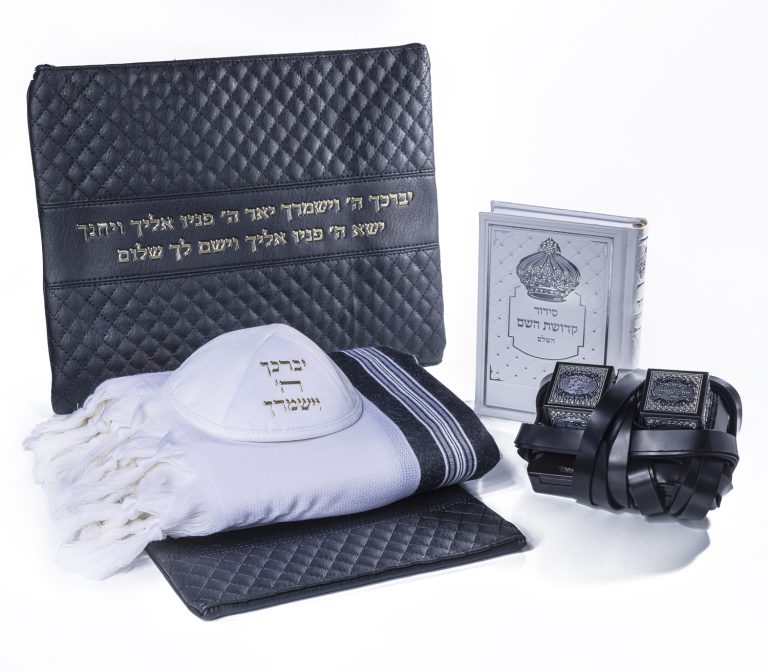
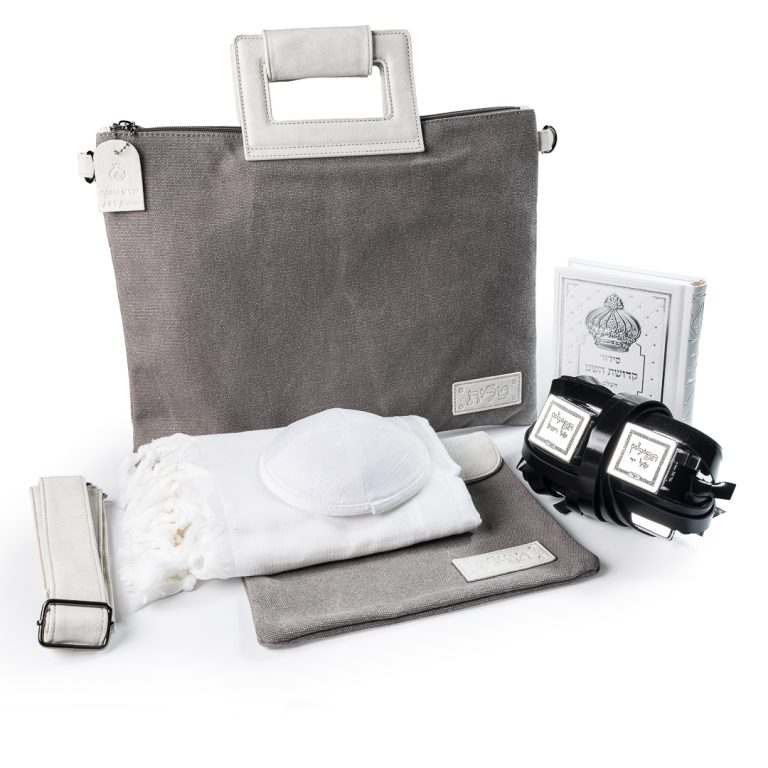
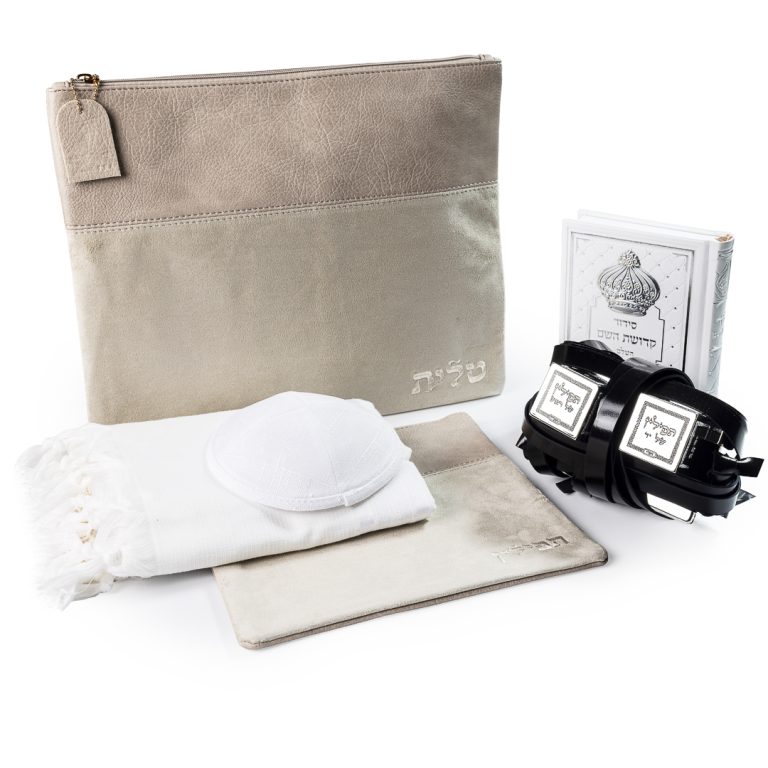
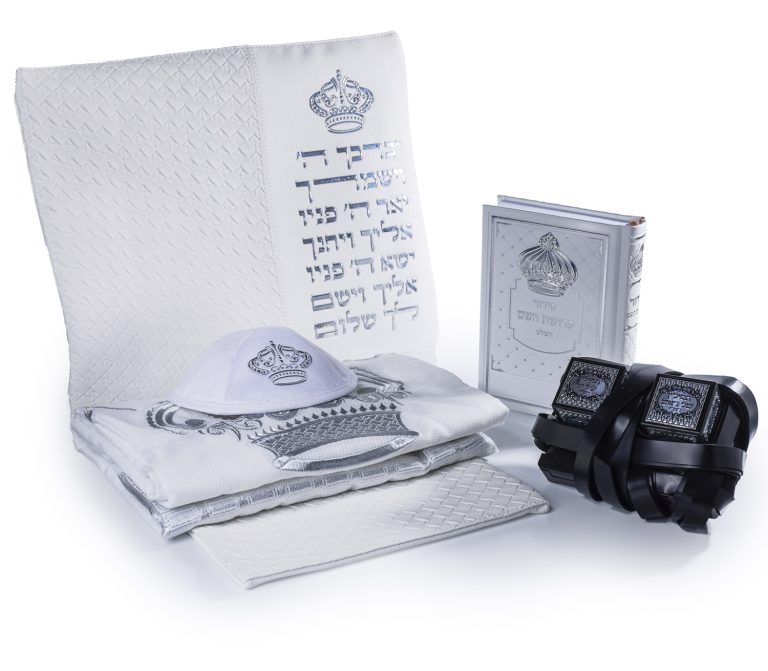
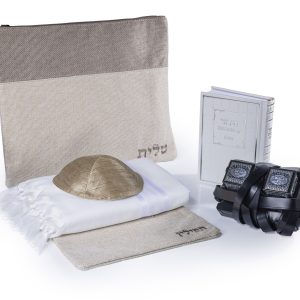
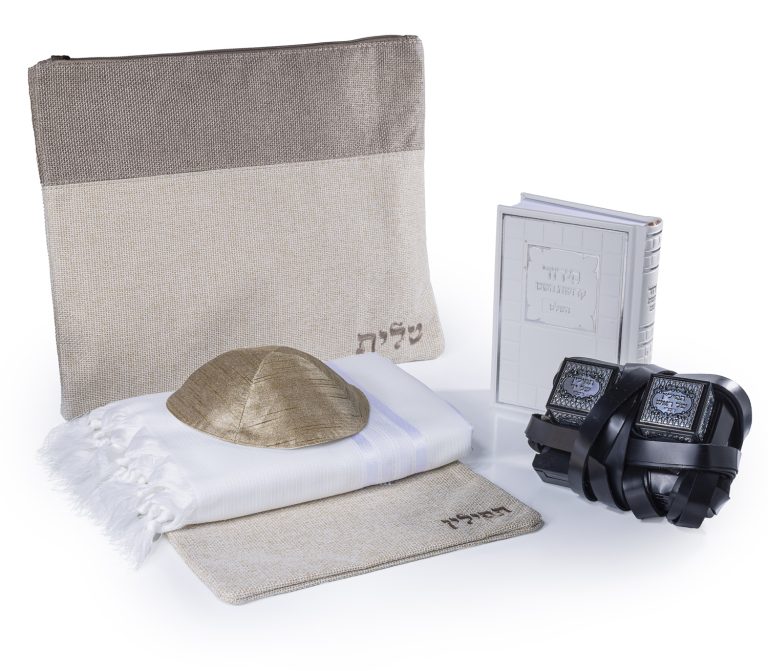
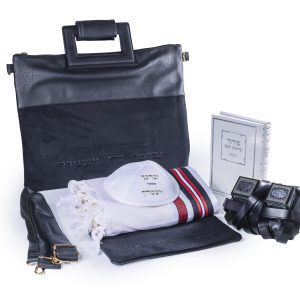
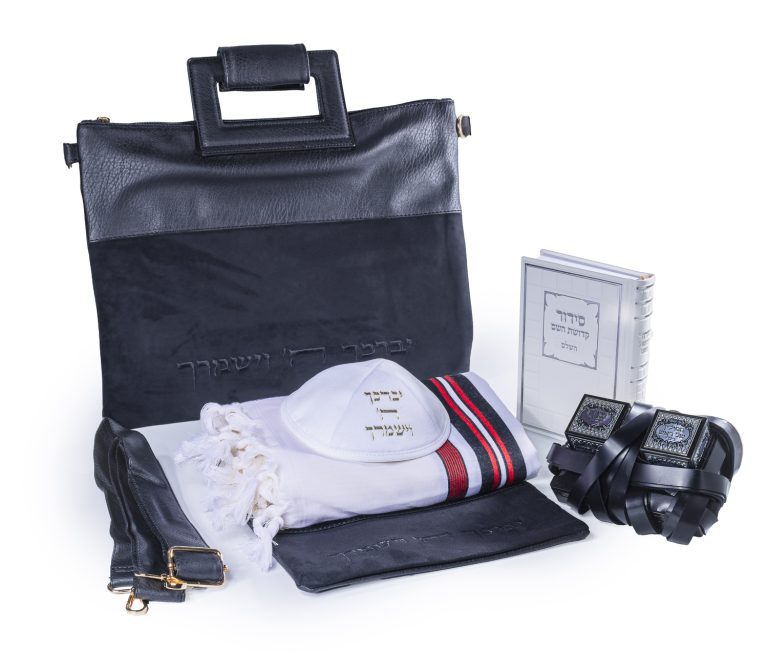
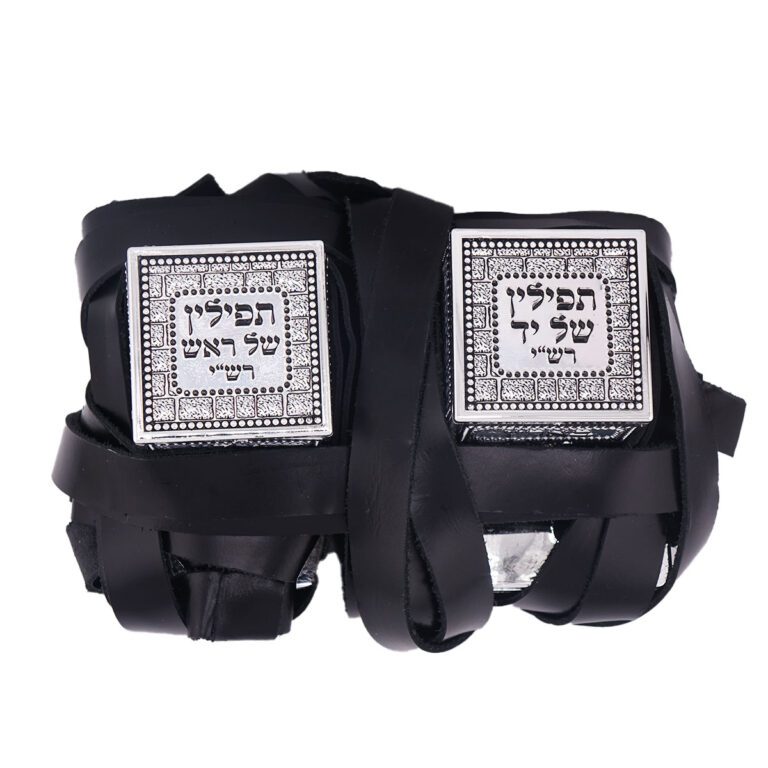
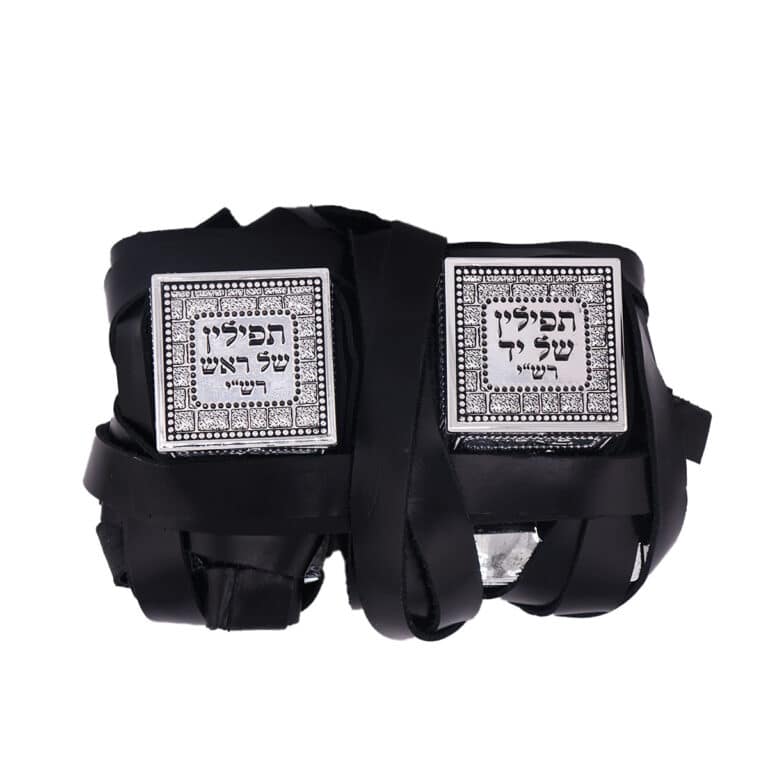
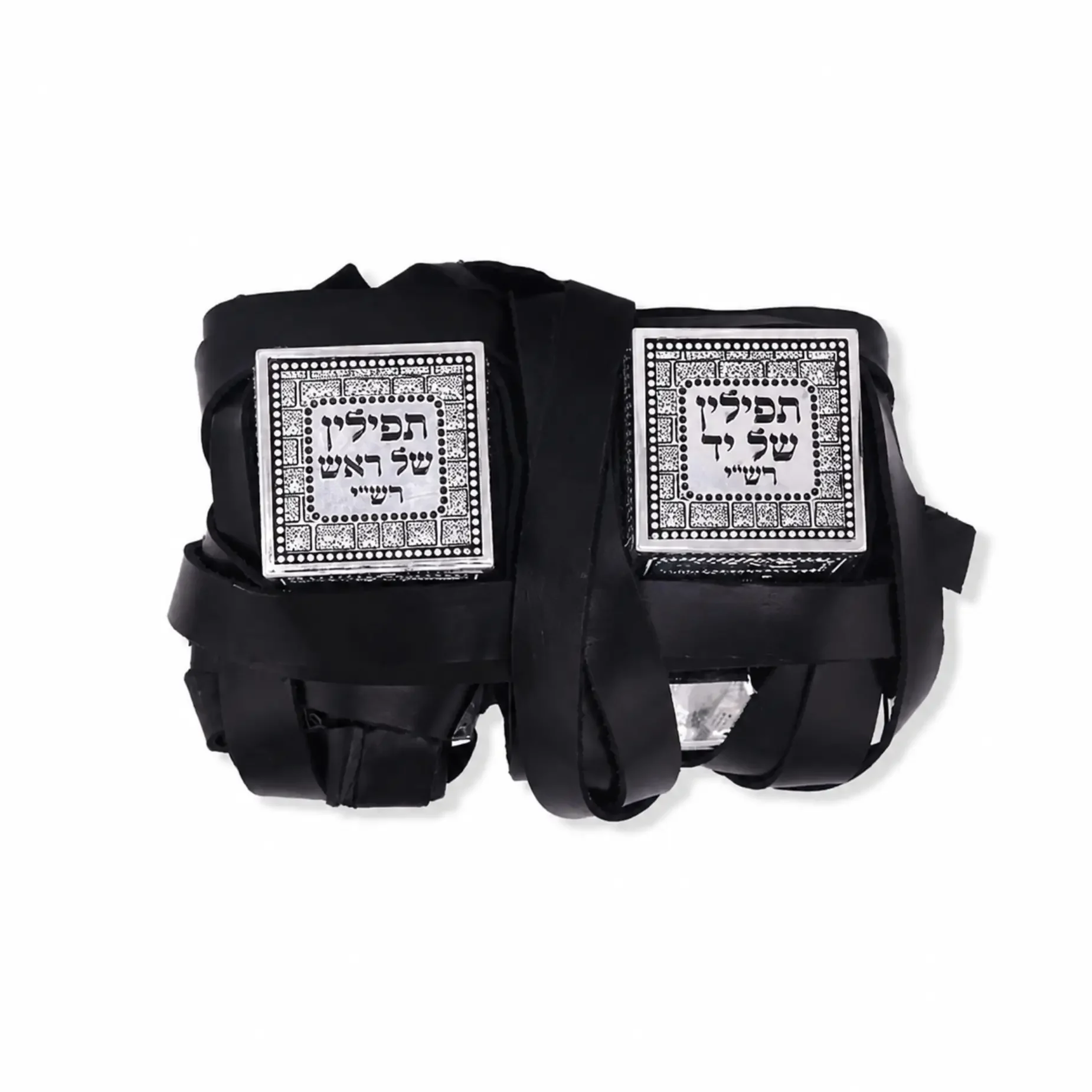
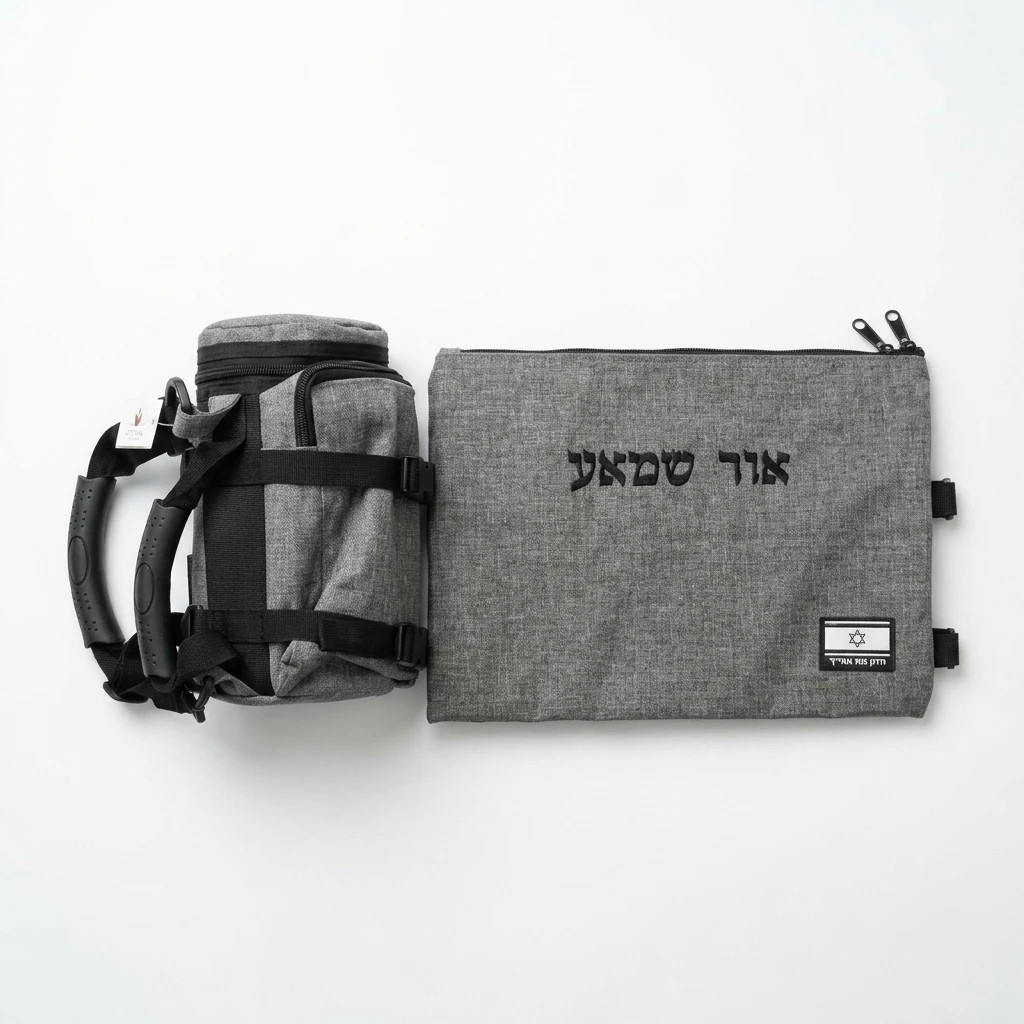
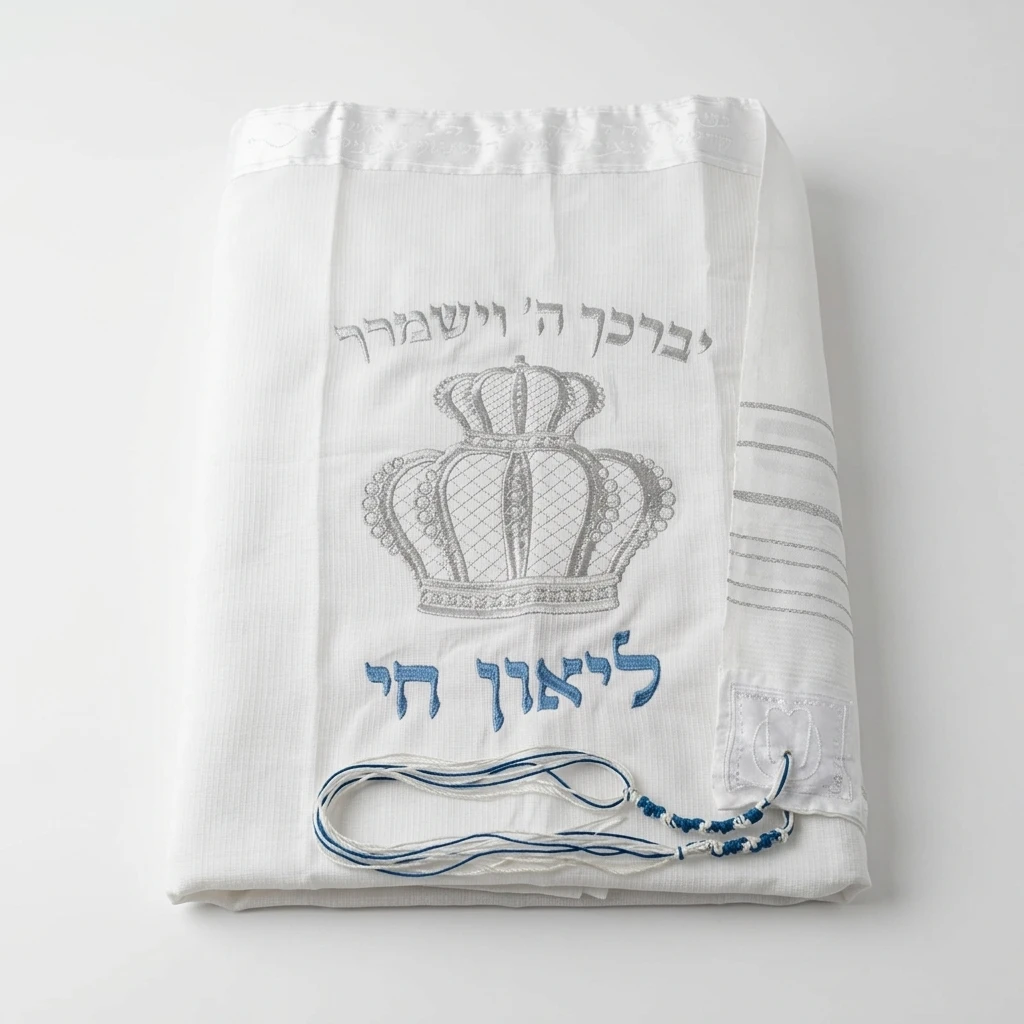
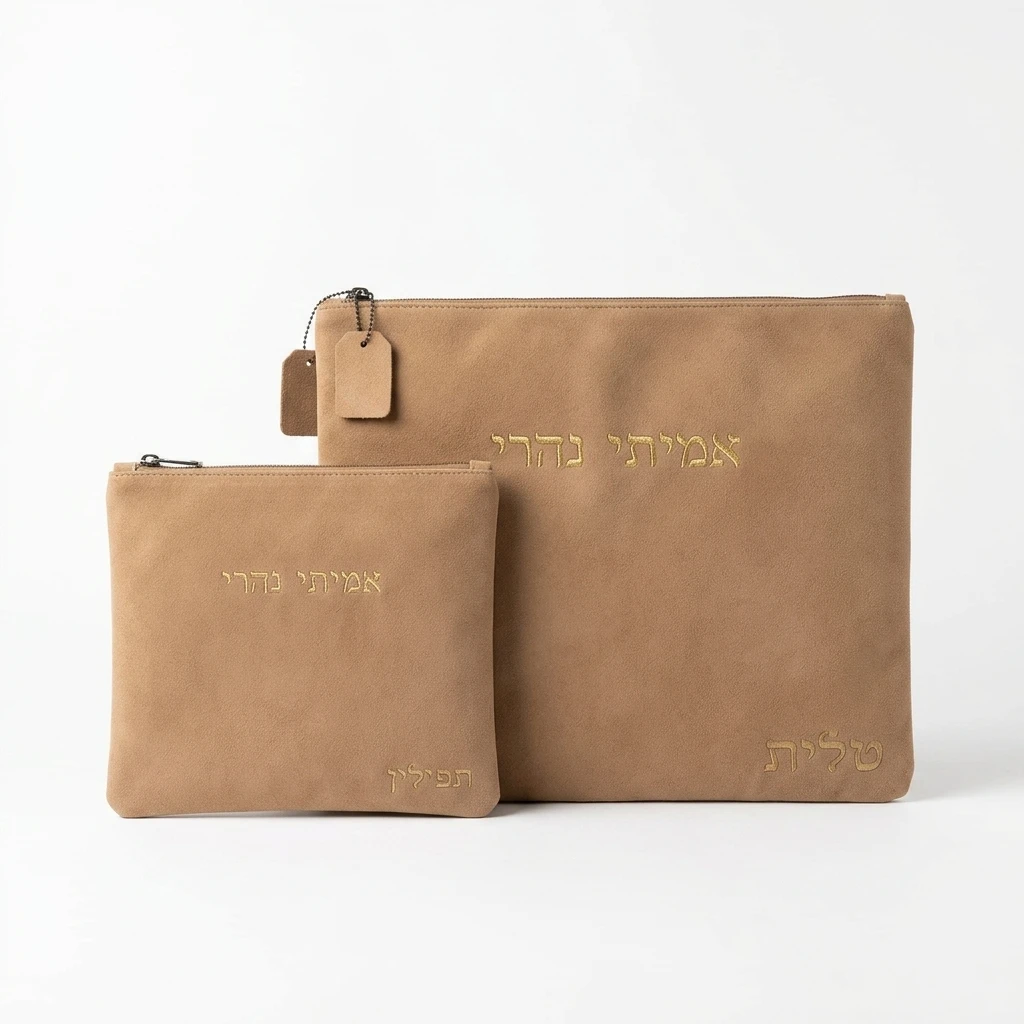
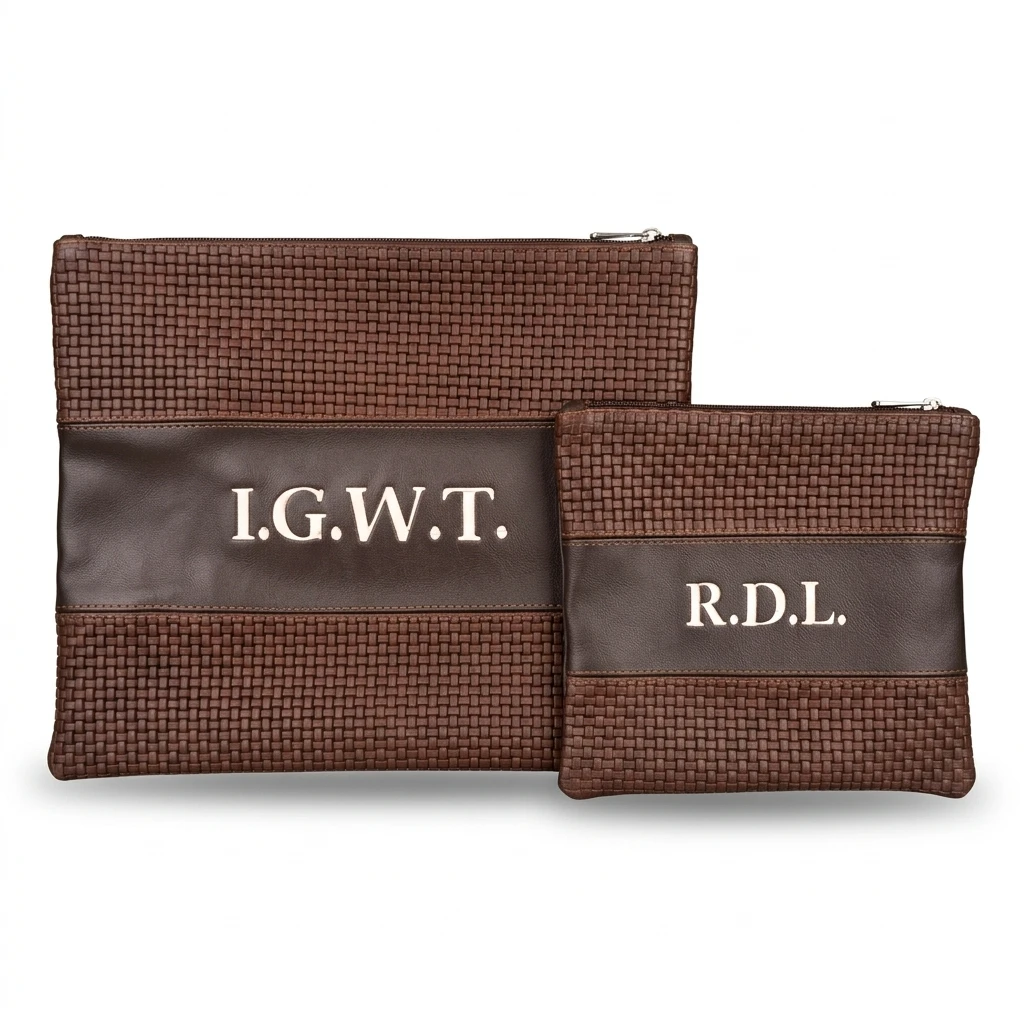
To adorn yourself in holiness every morning anew… The mitzvah of tefillin is among the most elevated commandments in the Torah – a moment of deep connection to Jewish roots, for the Bar Mitzvah boy putting on tefillin for the first time and for anyone seeking exquisite tefillin for daily use. Below is a meticulous selection of tefillin and Bar Mitzvah sets combining uncompromising quality with impressive aesthetics.
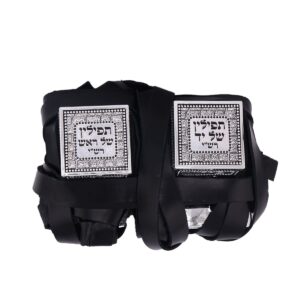
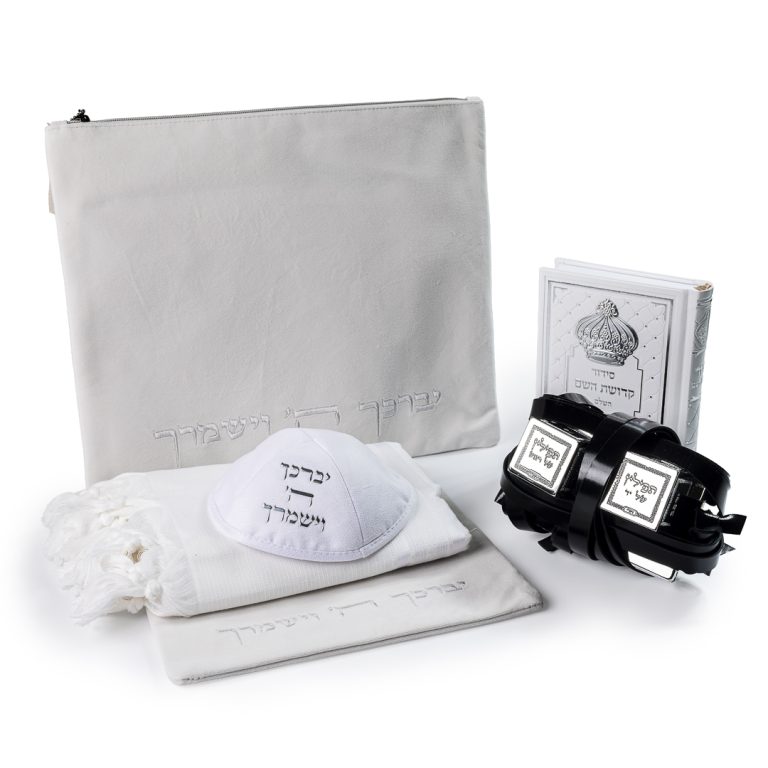
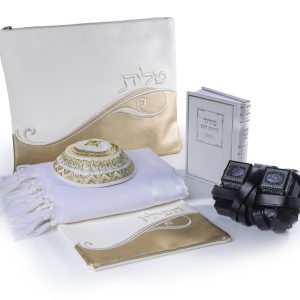
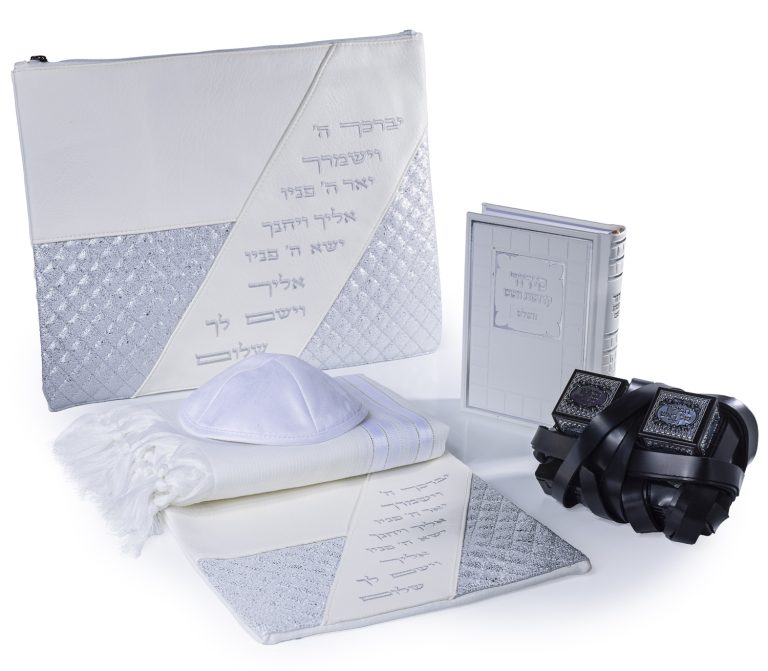
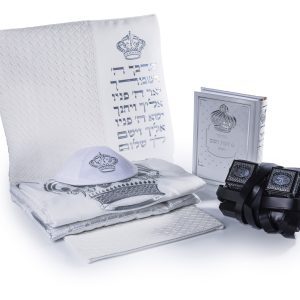
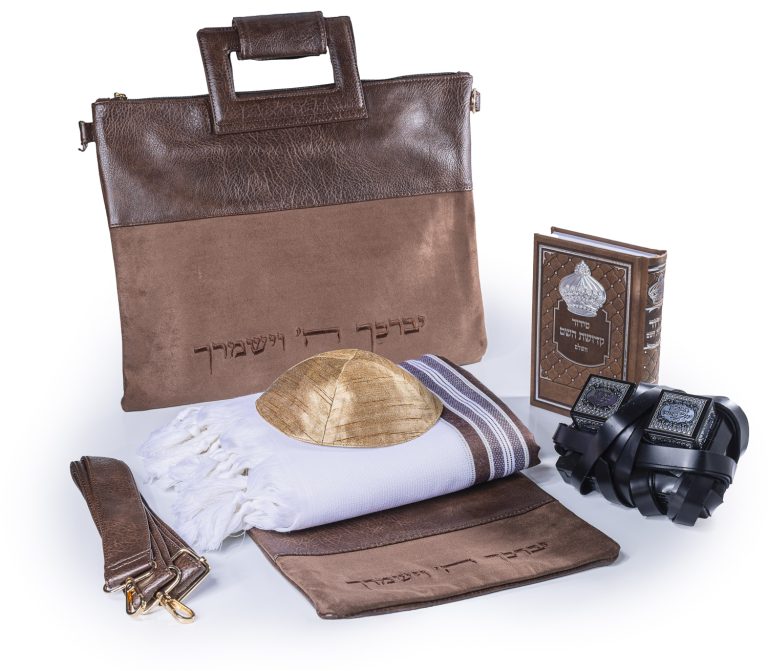
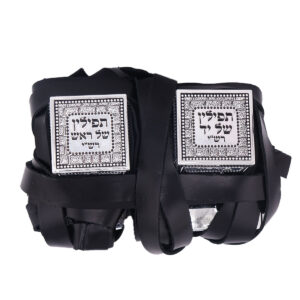
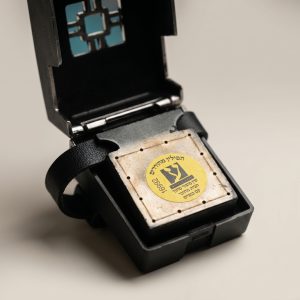
At Oth MiShamayim, the collection includes “Fully Separated (Prudot Maleh)” and “Foot-Press Squared (Ribua Regel)” Cowhide (Behema Gassa) Tefillin Boxes, Sheepskin (Behema Daka) Tefillin Boxes, and designed Bar Mitzvah sets. Every set is written by a certified sofer STaM, undergoes rigorous computer inspection, and comes with parchment scans and handmade straps.
Frequently Asked Questions
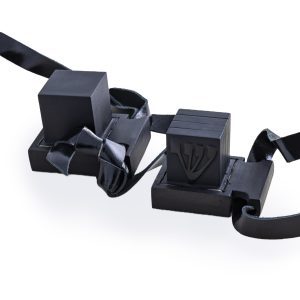
According to “Halacha L’moshe MiSinai” (an oral tradition passed down in an unbroken chain for over 3,300 years, directly from the Sinai revelation), both hand tefillin and head tefillin must be completely square and both are made of leather. The essential difference between them lies in the internal structure:
Hand Tefillin: The box consists of a single compartment (one section) only, inside of which rests a single long scroll on which all four Torah passages are written in sequence.
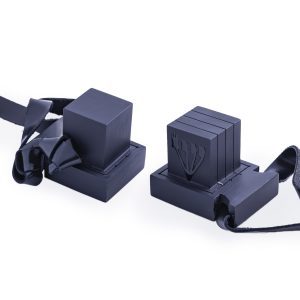
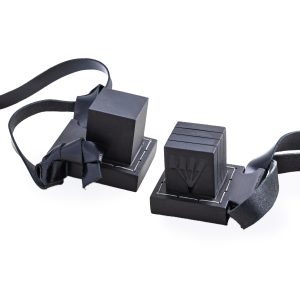
Head Tefillin: The parsha box (the upper part of the tefillin box) is divided into four separate compartments (sections). In each compartment lies a separate scroll containing one parsha. On the sides of the head tefillin, the letter Shin (ש) is embossed, whereas the hand tefillin are smooth.
The main difference between the two lies in the strength of the boxes, their durability over time, and maintaining their square shape (which is a tradition from Moses at Sinai, meaning an ancient and sacred tradition passed down from generation to generation since the giving of the Torah).
Tefillin from Sheepskin (Behema Daka) (lamb or goat): made from relatively thin and soft leather. In the past, before the development of technology for processing thick leathers, most of the people of Israel used to wear these tefillin. They are absolutely kosher and valid, but due to the delicacy of the leather, they are more sensitive to weather changes, blows, or pressure. Over the years, their square shape may wear down and become damaged, which may require repair and replacement. (To improve the durability of these tefillin, a technique called “decorated wings” is used: since the leather is soft, the tefillin base is formed by tightly folding the edges of the leather – called “wings” – underneath the box. A “decorated” finish means that the craftsman executed the folding and gluing with such precision that the base becomes much stronger, symmetrical, and more stable, which contributes to preserving the tefillin over time.)
Tefillin from Cowhide (Behema Gassa) (ox or cow): made from thick, strong, and solid leather, undergoing an innovative and lengthy production process of compression under immense pressure. The result is especially strong tefillin boxes (“like stone”). They do not deform, maintain the perfect square, and their halachic beautification lasts for decades without concern.
Our bottom line: For those looking for tefillin that will remain beautiful and strong for life with a “peace of mind,” the unequivocal recommendation is to choose tefillin from Cowhide (Behema Gassa).
When you examine the tefillin specification, you will encounter professional terms originating from Aramaic and the Talmud, describing the structure of the tefillin bayet. Here is a short glossary to clarify:
Ketzitza: The square and prominent part at the top of the tefillin bayet, inside which the parchments are placed. It is called this from the root ק.צ.צ (to cut), because it protrudes and appears separate from the base, and in tefillin shel rosh it is “cut” into four compartments.
Titura: The wide and flat base on which the ketzitza sits, closing the bays from below. The word in Aramaic means “bridge.” Just as a bridge carries what passes over it, so the titura holds the ketzitza.
Ma’avarta: The rear channel of the tefillin bayet (the part protruding backward). Derived from the word “passage” – this is the opening through which the leather straps are threaded to tie the tefillin.
The raised shin on both sides of the head tefillin boxes is the “Halacha given to Moses at Sinai” (an ancient and holy tradition passed down from generation to generation since the Giving of the Torah), and it contains deep spiritual hints and secrets according to the Sages and the Holy Zohar.
Beyond the immense spiritual significance, there are two interesting facts about this letter:
Handcrafted artistry: The shin letter is not printed, glued, or machine-pressed. It is created through a complex hand process by shaping and embossing the animal’s hide itself (a process called “halitzat hashin”). This is delicate and difficult work requiring great skill to produce a perfect and clear letter.
The only difference between communities: Many customers ask what the difference is between Sephardic (Eastern) and Ashkenazi head tefillin. The answer is that there is no difference in the form of the tefillin boxes, size, or manufacturing process – the only difference is expressed in the “font” (letter design) of the raised shin on the sides of the box, which varies according to the writing tradition of each community.
Regarding the prominent letter “Shin” on the tefillin of the head – this is a law given to Moses at Sinai and contains tremendous hints and secrets explained in the words of the Sages of blessed memory and in the holy Zohar. It is emphasized by handwork and not by machine, and this is a complex task. The only difference between Ashkenazim and Sephardim in tefillin boxes is expressed only in the form of the Shin on the head tefillin. Apart from the Shin, there is no difference in the form of the tefillin or in the process of preparing the tefillin.
According to Jewish law, tefillin heads must consist of four separate compartments (houses), each containing one parchments. From the outside, the compartments should appear as one perfect square, with grooves separating them. The difference between the concepts relates to how these compartments are separated within the leather:
“Mostly Separate” Tefillin In this method, the four compartments are mostly separated from each other, but at the lower part they are connected to ensure the tefillin do not open and remain square and sturdy. This is a common manufacturing method and is, of course, completely kosher.
“Fully Separate” Tefillin (stringent beautification): In this method, the four compartments are completely separated from one another down to the very bottom, with no glue connecting them. This ensures beyond any doubt that each compartment stands on its own (and it is not one piece of leather that only has externally carved grooves resembling separation). Producing perfectly square tefillin compartments that do not open despite having no glue requires artistry and a much more complex and costly manufacturing technique. Therefore, this finish is considered a high level of beautification.
Our bottom line: The “Mostly Separate” model is an excellent and durable choice. But for those seeking to be stringent and perfectionist in the mitzvah without compromise, the recommendation is to choose the “Fully Separate” models.
According to Halacha, the tefillin boxes are sewn together using a special tendon stitching. In tefillin with a regular finish, the tendon passes inside the leather and is not visible at all from the outside. A “planned” finish means that the four boxes of the head tefillin are manufactured so symmetrically and perfectly that the tendon can pass right between the separate partitions. The result is that one can see from the outside a tendon running in a straight and “directed” line between the boxes. This finish is especially prestigious, as it meets the opinion of stringent poskim who require the separation between each box to be distinct and absolute, even by passing a thread between them.
Halacha determines that the tefillin boxes must be perfectly square (“Halacha from Moses at Sinai”), and that the process of cutting and shaping the square is done by a person with pure intention – “for the sanctity of the tefillin.” The difference between levels of finish stems from the degree of physical involvement of the person in the process:
Machine-made square (the refined standard): The square is shaped with an electric machine, where the operator directs and says “for the sanctity of tefillin” before turning it on. This is the accepted, quality, and ideally kosher standard according to most poskim.
Foot-made square (high refinement): The machine does not operate on electricity but is powered physically by the person through pedaling with their foot. Because the action is generated directly from the person’s physical force for the sanctity of the tefillin, it is considered a more significant refinement.
תפילין איכותיות נועדו להחזיק מעמד עשרות שנים ואף לעבור מדור לדור. עם זאת, מכיוון שהן עשויות מעור טבעי ופרשיות קלף עדינות, חשוב להקפיד על הכללים הבאים כדי לשמור על שלמותן וכשרותן:
1. הגנה קשיחה על הפינות והריבוע: ריבוע התפילין הוא הלכה למשה מסיני (מסורת פלאית שעברה מפה לאוזן בשרשרת מדויקת של למעלה מ-3,300 שנה, ישירות ממעמד הר סיני), ושחיקת הפינות עלולה לפסול אותן. לכן, מיד לאחר כל הנחה, צריך להחזיר את בתי התפילין לתוך כיסויי המגן שלהם.
2. סדר ההכנסה לתיק: ההלכה קובעת שיש להניח קודם תפילין של יד ורק אחר כך תפילין של ראש. כאן נכנס לתמונה הכלל “אין מעבירין על המצוות” – שפירושו הפשוט הוא: אם פגשת במצווה, אל תדלג עליה. כדי שלא נצטרך “לדלג” על התפילין של ראש כדי להגיע לאלו של היד, אנחנו מסדרים את התיק כך שהתפילין של היד יהיו תמיד הראשונות שנתפוס ביד:
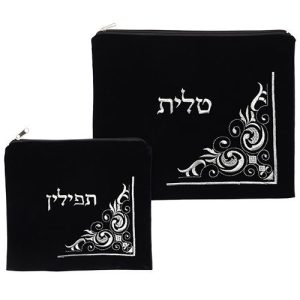
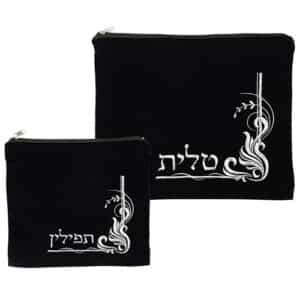
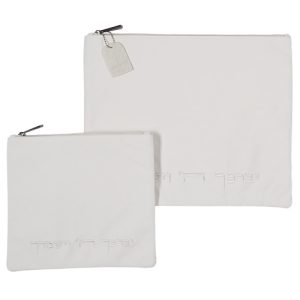
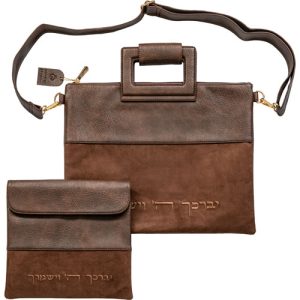
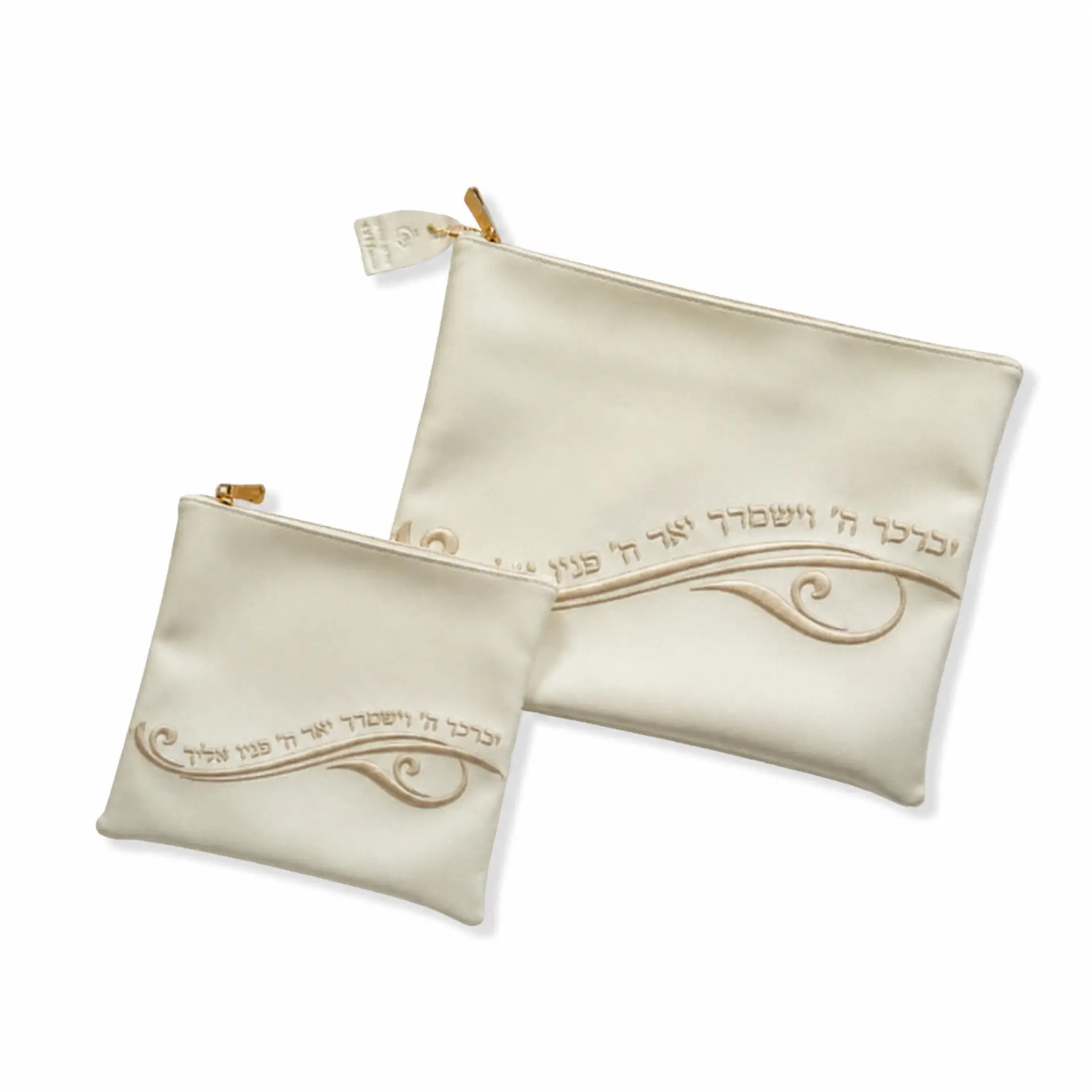
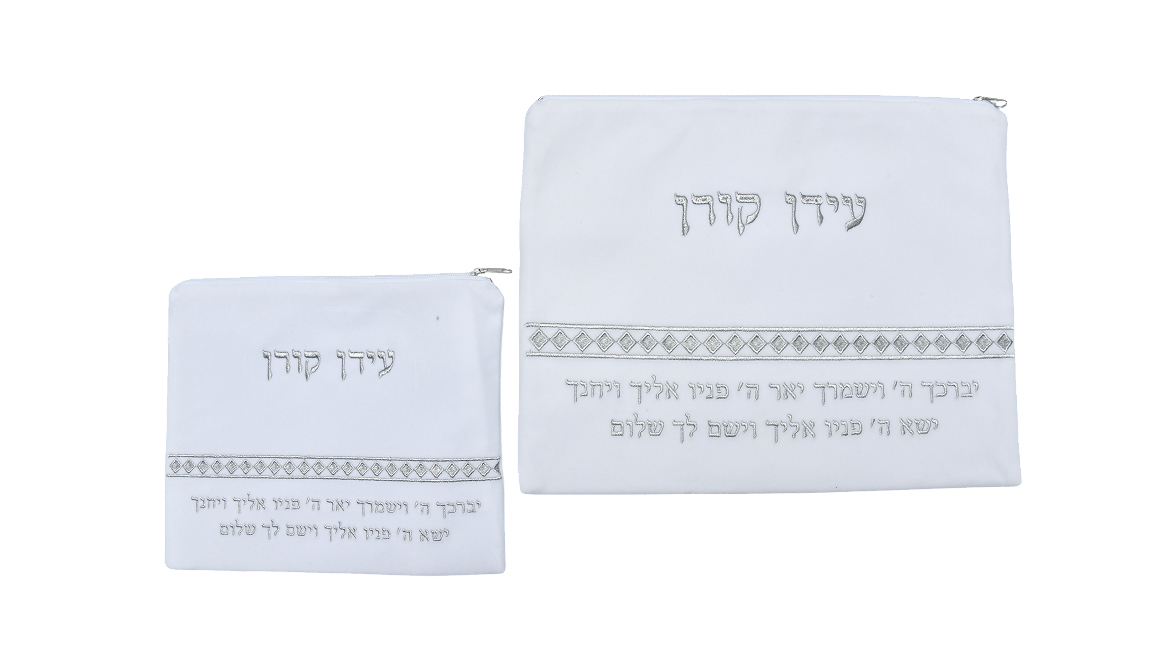
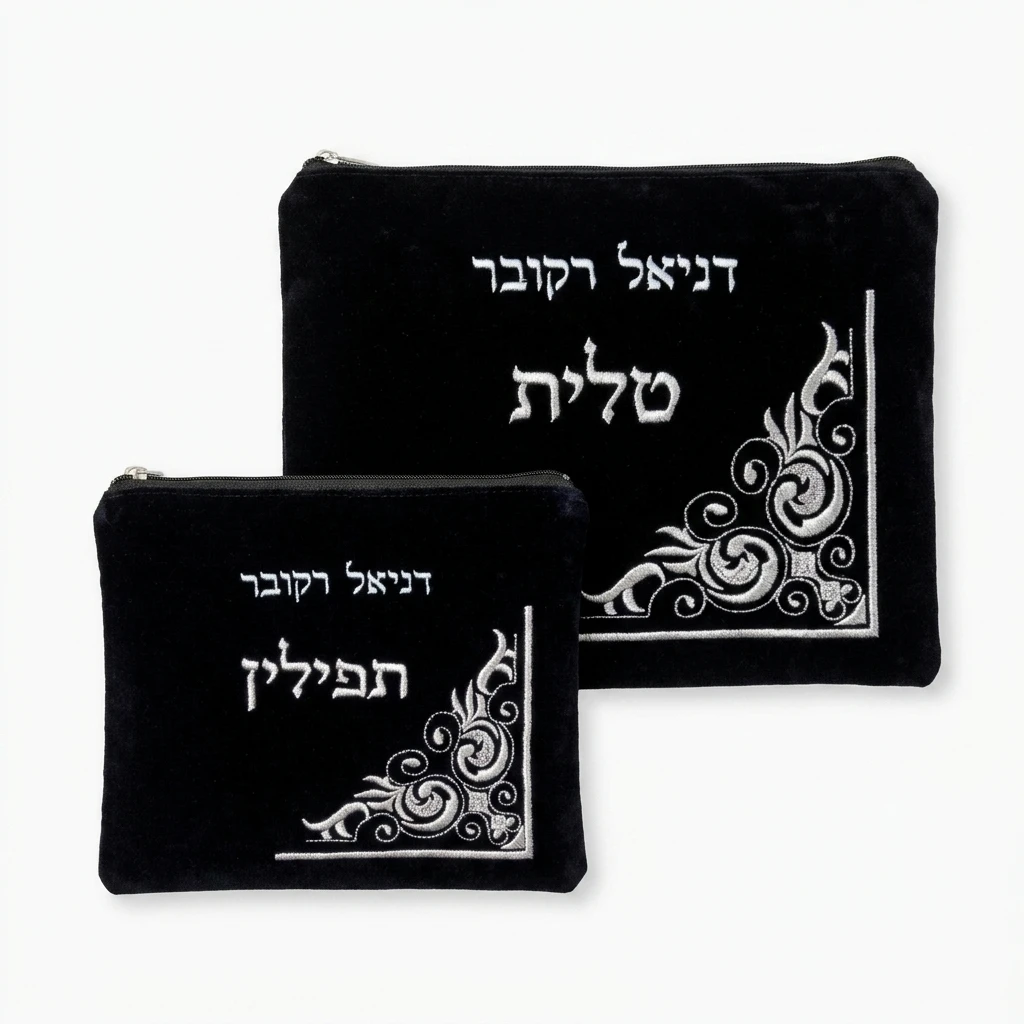
בנרתיק קטיפה קלאסי: מניחים את התפילין של ראש בצד אחד ואת של היד בצד השני, ודואגים ששל היד יהיו תמיד “בשלוף” וזמינות ראשונות.
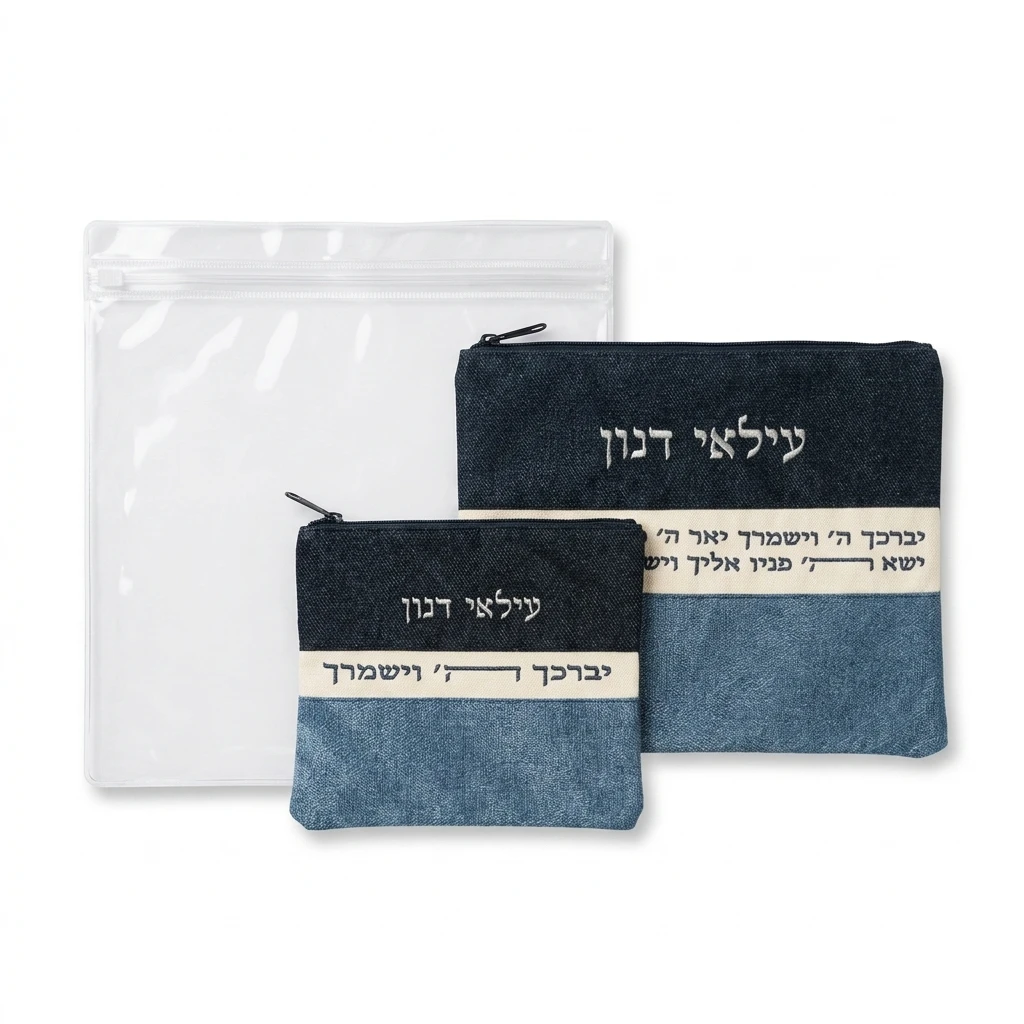
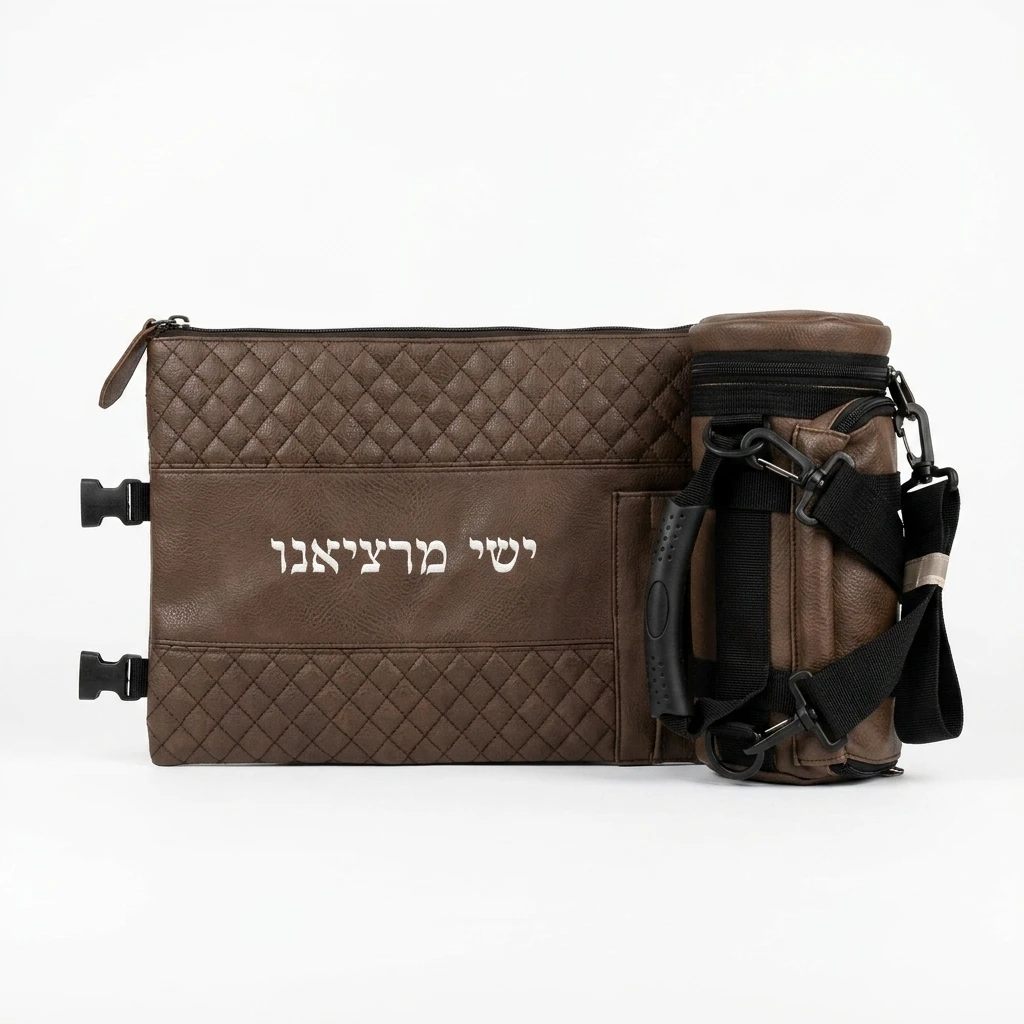
בנרתיק פלסטיק קשיח: מכניסים קודם את התפילין של ראש עד לקרקעית, ומעליהן את התפילין של יד. כך, כשפותחים את המכסה, הדבר הראשון שפוגשים הוא תפילין של יד – מניחים אותן, ורק אז “ממשיכים” לתפילין של ראש שמחכות למטה.
3. הרחקה מחום קיצוני ולחות: הקלף והדיו רגישים מאוד. לעולם אל תשאירו תפילין ברכב סגור ביום קיץ חם, בסמוך לחלון עם שמש ישירה או במקומות לחים, למניעת התפוררות הדיו או הרס הקלף.
4. תחזוקת הרצועות: הרצועות חייבות להיות שחורות לחלוטין מצידן החיצוני. קפלו אותן בעדינות וללא מתיחה חזקה כדי למנוע סדקים בצבע. אם זיהיתם דהייה או קילוף (במיוחד באזורי הקשירה), ניתן לחדש את הצבע בקלות עם טוש מיוחד לכך.
5. בדיקה תקופתית: חשוב לדעת – בניגוד למזוזות, אין חובה הלכתית לבדוק תפילין כל עוד הבתים החיצוניים שלמים לחלוטין ואין בהם פגם. עם זאת, מכיוון שהקלף והדיו רגישים לשינויי מזג אוויר, זיעה ולחות, מומלץ למסור אותן לבדיקה אצל מגיה מוסמך אחת לכמה שנים (יש נוהגים לעשות זאת בחודש אלול). הבדיקה מוודאת שהאותיות לא דהו או נסדקו עם הזמן, אינה חובה, אך היא מעניקה לכם ביטחון מלא ושקט נפשי.
אנו משתמשים בקובצי עוגיות כדי לשפר את חוויית הגלישה שלך באתר. בשימושך באתר, אתה נותן את הסכמתך לשימוש בעוגיות.
נהל את העדפות קובצי העוגיות שלך:
קובצי עוגיות חיוניים מאפשרים פעולות בסיסיות ונדרשים לצורך הפעולה התקינה של האתר.
תוכל למצוא מידע נוסף ב- Privacy Policy.
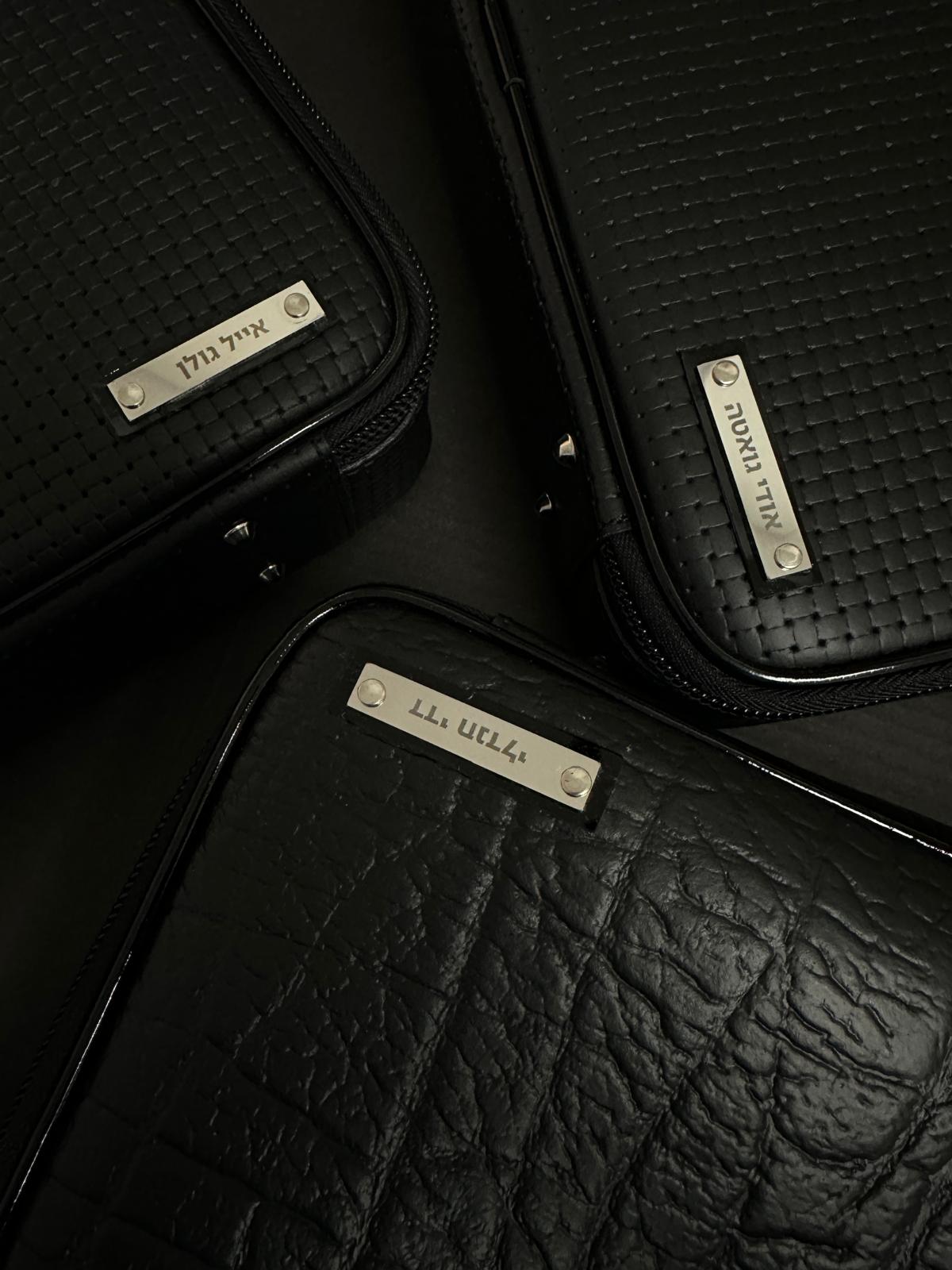
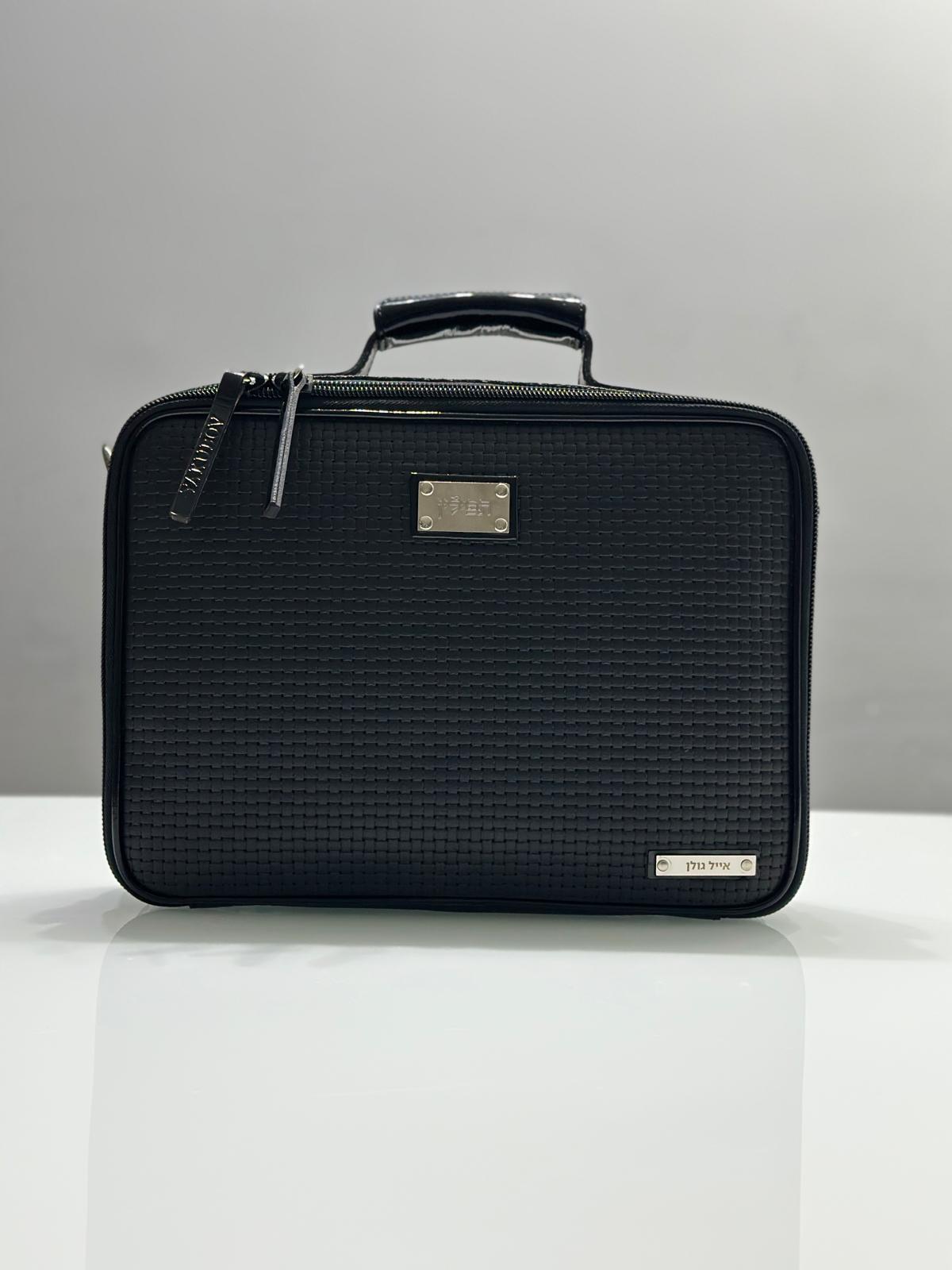
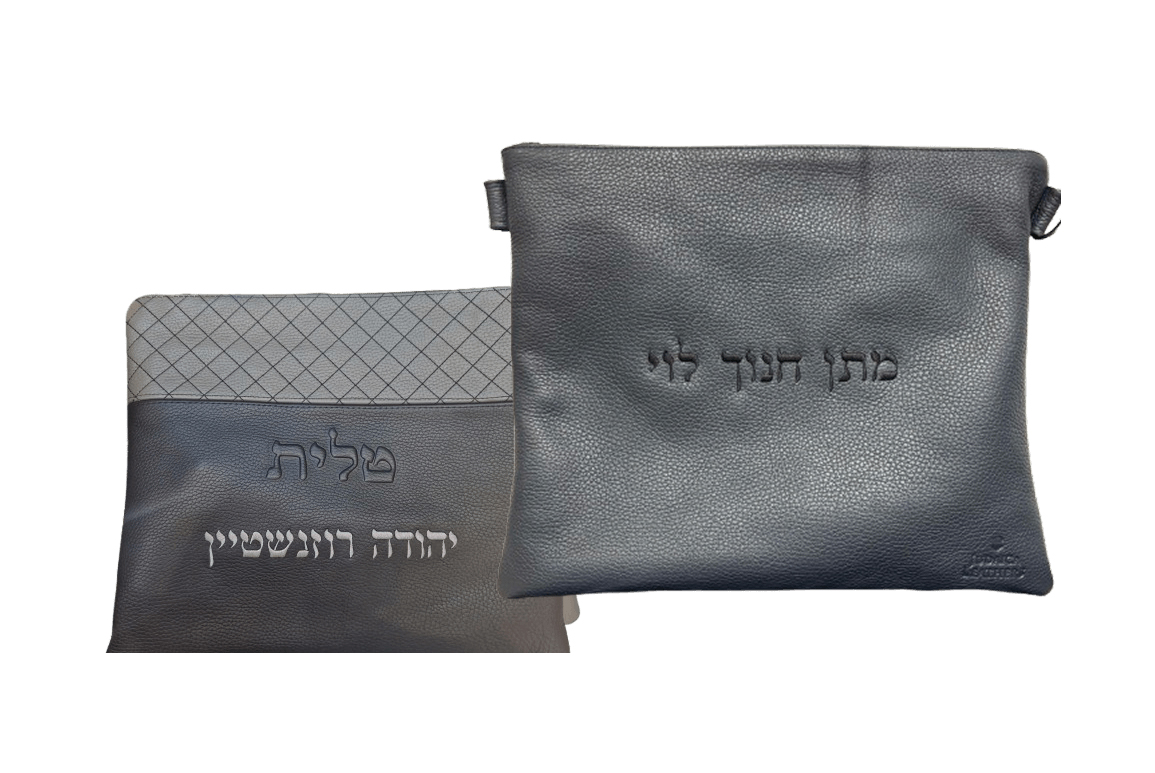
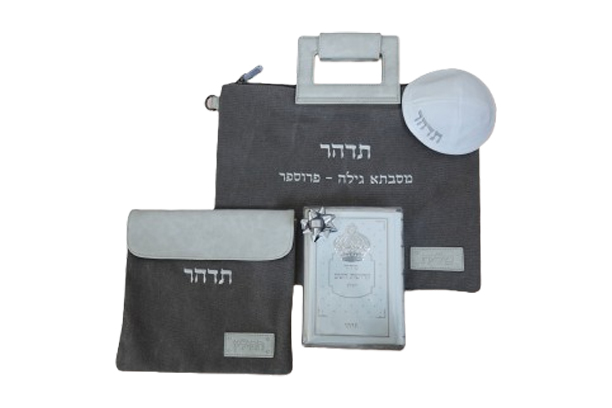
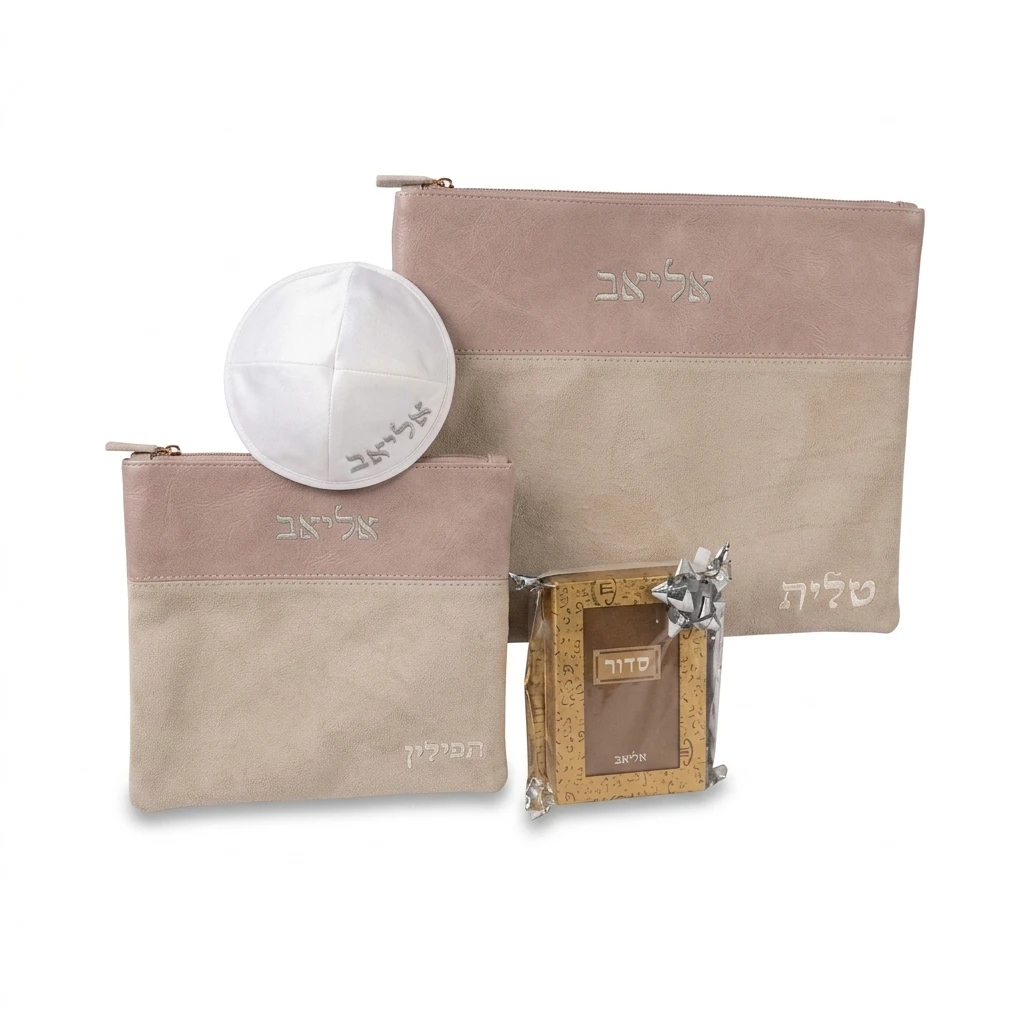
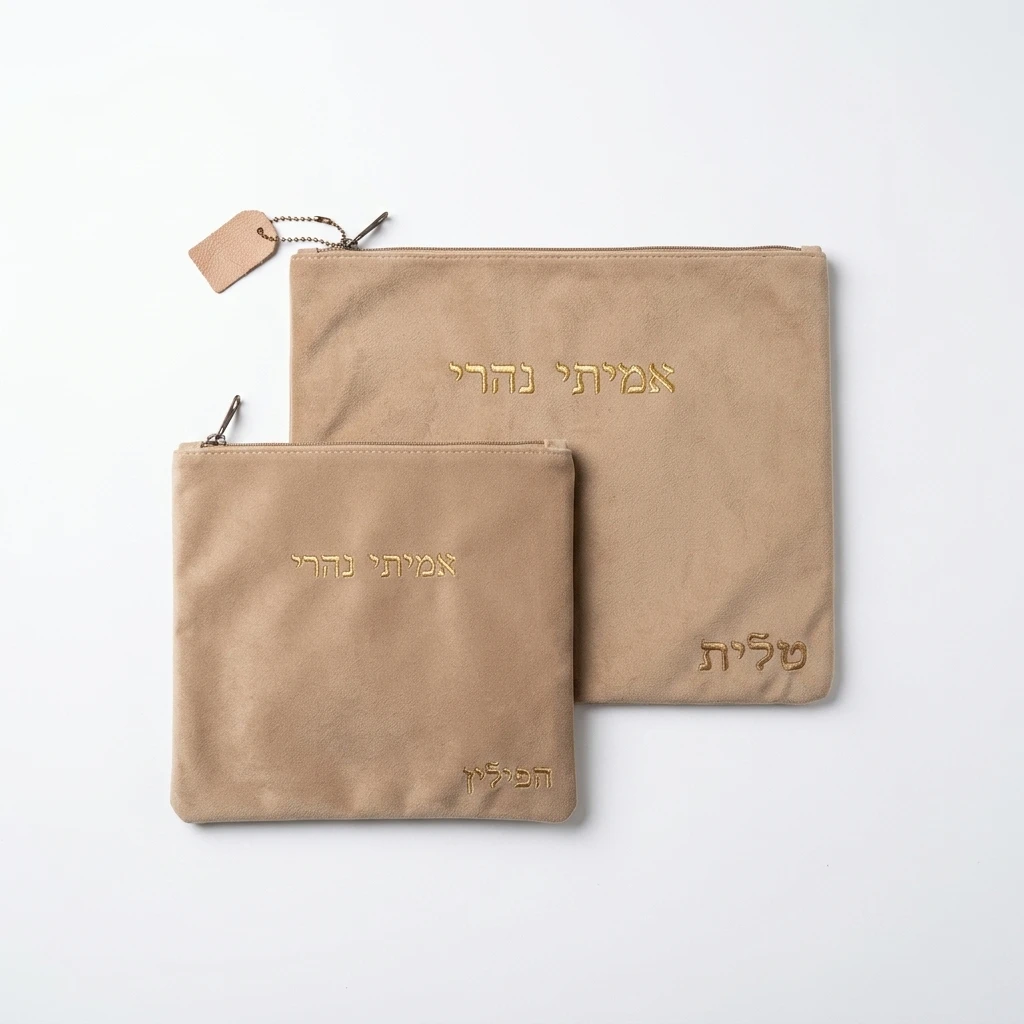
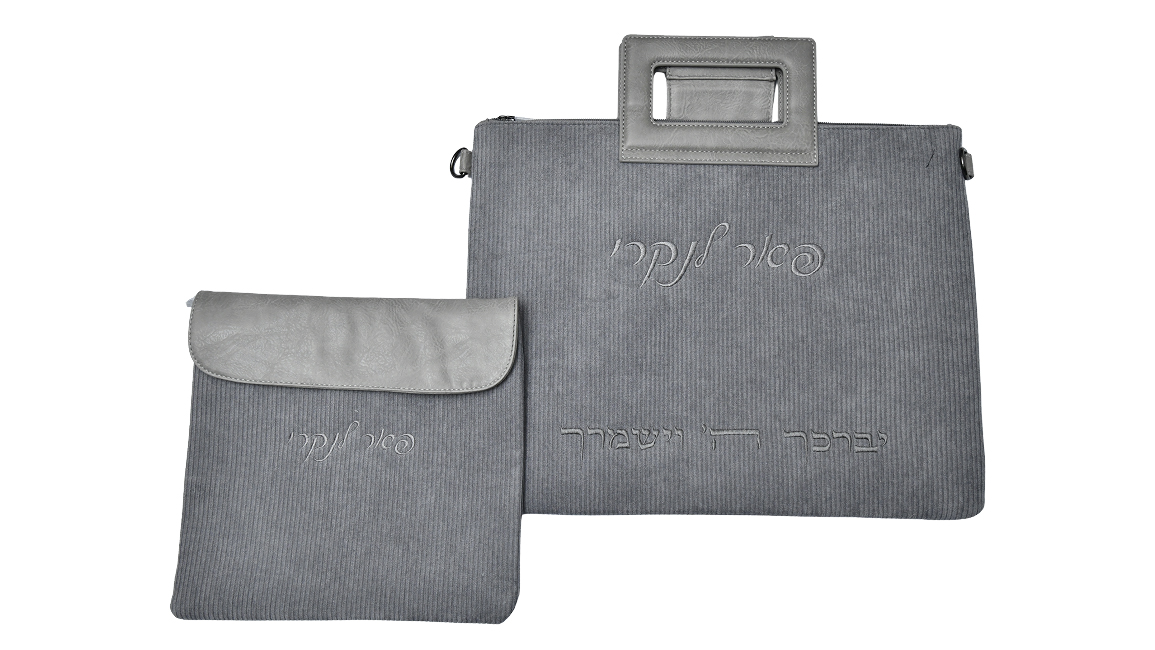
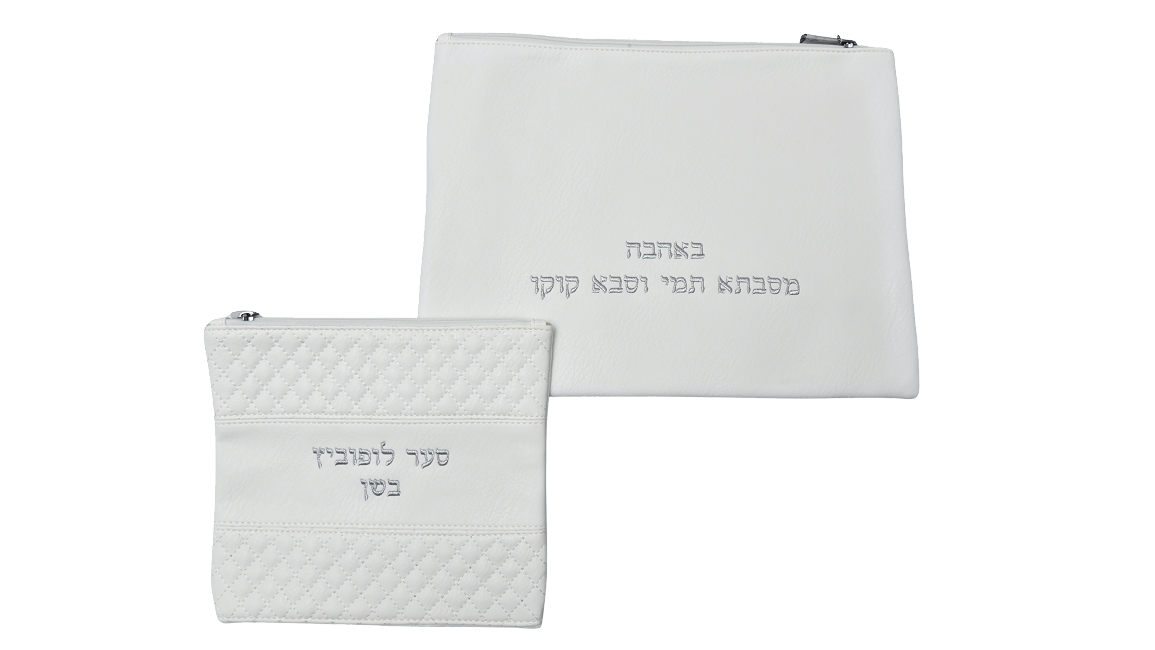
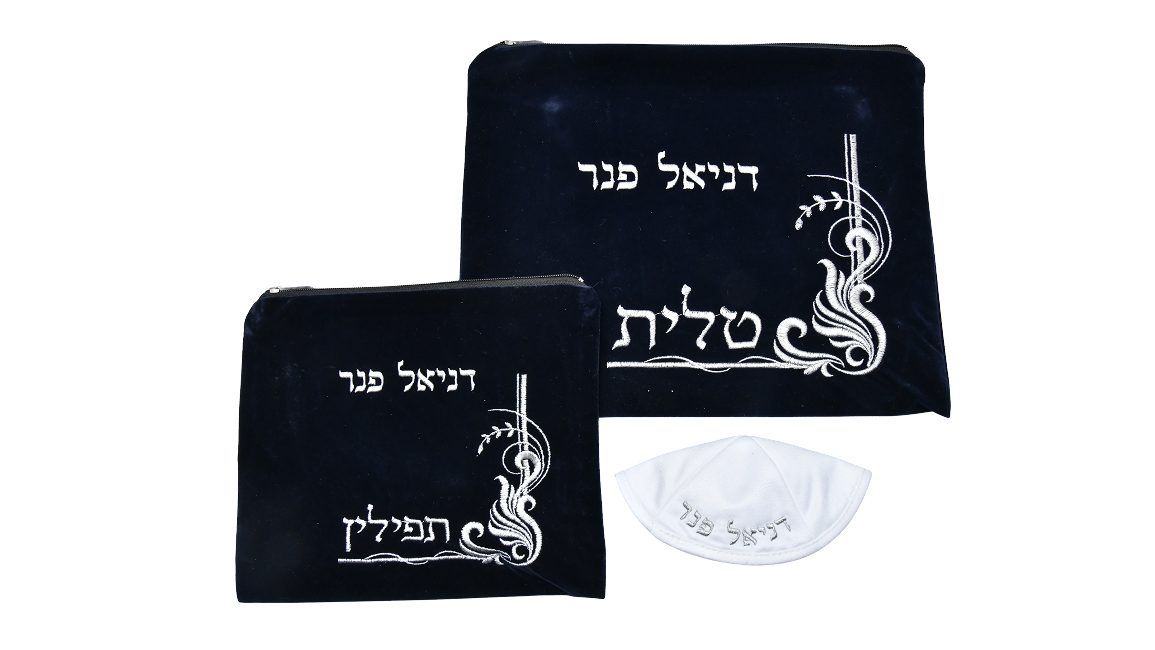
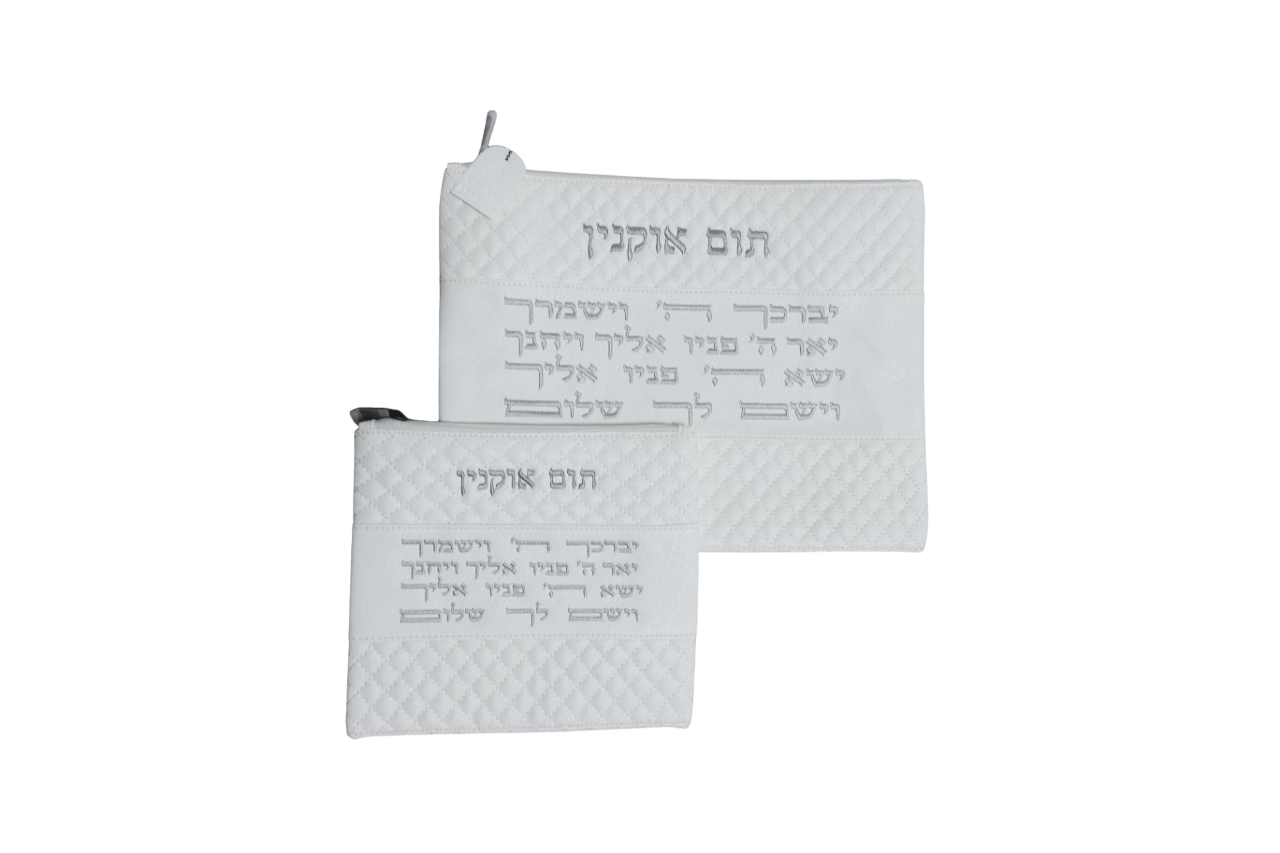
Have a special request? Can’t find exactly what you’re looking for? Want advice? We’re here to help. Contact us on WhatsApp or fill in your name + number. A friendly representative will contact you.
Feel completely comfortable asking us if you haven’t found what you desired or if you have a special request or wish to consult. Don’t hesitate. Contact us on WhatsApp, or fill out the form and a friendly representative will get back to you with full patience.
Contact us on WhatsApp, or fill out the form and a friendly representative will get back to you with full patience.
