In the material world we live in, we are used to dividing things into clear categories: inanimate, plant, living. A table is wood, parchment is skin, and a cup is metal. But in Judaism, there is an additional, mysterious and fascinating category that breaks the usual laws of physics. This is the category where the material ceases to be just “material” and becomes “holy.”
It’s called “Sacred Vessels”.
But what does it really mean? What is the difference between a tallit and tefillin? Why must a defective Torah scroll be buried in the ground while a etrog can be thrown in a bag (or made into jam)? And how is it that an animal’s skin becomes an object that is forbidden to be taken into the bathroom and must be kissed?
In this article, the most professional and comprehensive you will find online, we delve into the core of the most fundamental concepts in the Jewish home. We will break down the halachic definitions, understand the hierarchy of holiness, learn how to treat these objects with proper respect, and discover the secret behind our ability – as humans – to bring the Divine Presence down into inanimate objects.
On the website Ot Meshamayim, we don’t just sell products. We deal with objects that have a soul. Join us on a journey that will change how you look at the bookshelf in your home.
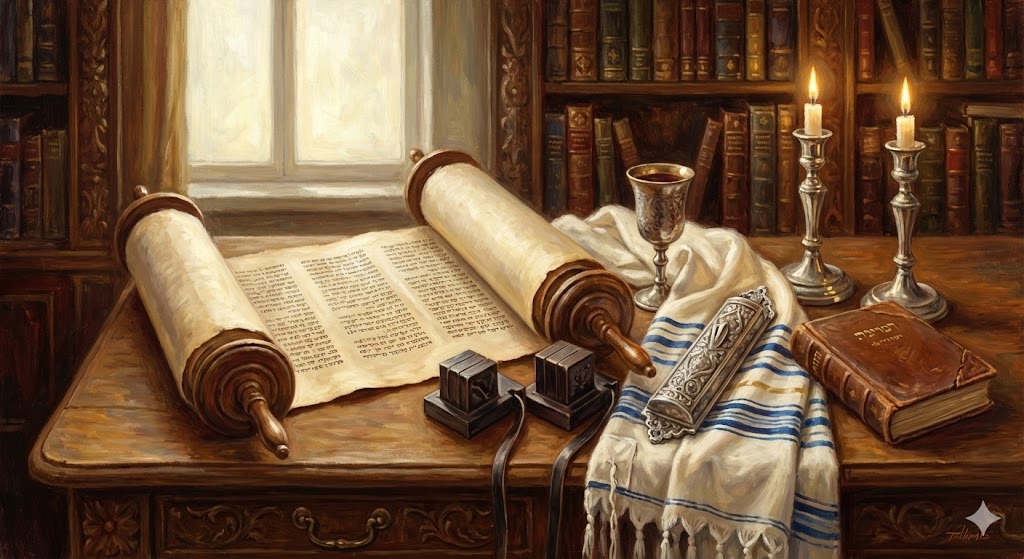
The great secret: the difference between “Sacred Vessels” and “Vessels of Mitzvah”
To understand the topic in depth, one must start with the most important halachic distinction that many confuse. Not every object used for a mitzvah is a “Sacred Vessel.” Halacha differentiates between two main categories:
Sacred Vessels (intrinsic holiness)
These are objects whose holiness is an inseparable part of their physical form. Usually, these are items on which verses or the Names of the Divine or words of Torah are written. The holiness “absorbs” into the material and never leaves it.
- The main characteristic: even when the object is torn, worn out, or invalid – the holiness remains within it, and therefore it must be respectfully stored away (buried with honor) and must not be thrown into the trash.
- Examples: Torah scroll, tefillin, mezuzot, holy books (prayer books, chumashim, Gemaras).
Objects of mitzvah use (functional holiness)
These are items used by us to perform a mitzvah, but they do not have inherent holiness in the material itself (no verses or Name of God). Rather, they only “serve” the purpose of the mitzvah.
- The main characteristic: As long as the mitzvah is being fulfilled – they possess some holiness. Once the time of the mitzvah has passed, the holiness departs from them. Therefore, after use (when they wear out), there is no obligation to store them away, although it is proper to do so or at least not to throw them away disrespectfully but to wrap them before discarding or place them in a designated spot.
- Examples: Tallit, tzitzit, shofar, lulav, sukkah, schach, Hanukkah candles.
- The subtle point: The difference is that in “objects of holiness” the object itself is holy (like tefillin), whereas in “objects of mitzvah use” the item is merely a tool to fulfill God’s will.
In short, objects of holiness refer to items that are themselves holy, for example: Torah scrolls, mezuzah and tefillin parchments. They are holy because of the verses and Divine Names contained within them. These must not be lost from the world, and this is a Torah commandment. Other books not containing Divine Names must also not be lost and should be treated with respect; this is an obligation from the words of the sages.
Tashmish Mitzvah – an object through which a mitzvah is performed, such as: shofar, sukkah covering, the Four Species, tallit, and similar. It is forbidden to use these objects disrespectfully while they are being used for the mitzvah, but after performing the mitzvah they become ordinary objects like any other. For example: the Four Species during Sukkot are mitzvah objects, and thus during Sukkot they must be treated with respect, but after the holiday they are like other plants and one may do with them as one wishes. It is preferable to store or leave them in a place of no ownership.
STaM (an acronym for: Sifrei Torah, Tefillin, Mezuzot)
At the top of the pyramid of sacred objects stand the three items known by the acronym STaM. These are the most sensitive and important objects, and they require handwritten writing on parchment.
The Torah Scroll: the king of sacred objects
There is no holiness greater than the holiness of the Torah Scroll. It contains all five books of the Torah, written in ink on parchment.
- The attitude towards it: When a Torah Scroll is moved, people stand. If it accidentally falls, the entire community must fast or redeem the fast with charity. It is forbidden to sell a Torah Scroll except for very noble purposes (such as redeeming captives or Torah study).
- The writing: Writing a Torah Scroll takes several months of hard work by a devout scribe. Any small mistake disqualifies the entire scroll until corrected.
The Tefillin: the crown of the head and hand
As elaborated in other articles on the HOLY LETTERS website, the tefillin contain sections with the names of God.
- Their sanctity: A person who puts on tefillin must have a “clean body” and guard their thoughts. It is forbidden to enter unclean places with them, and one must not be distracted from them while wearing them.
The Mezuzah: the guardian of the house
The mezuzah is a parchment scroll containing the passages “Shema Yisrael” and “Vehaya Im Shamoa.”
- Its uniqueness: Unlike a Torah scroll and tefillin, which are in active use, the mezuzah is affixed to the wall, sometimes outdoors, exposed to weather conditions. Because of this, it requires more frequent periodic inspection to ensure that its sanctity (validity) has not been compromised.
Sacred objects and religious itemsSacred objects: the second circle
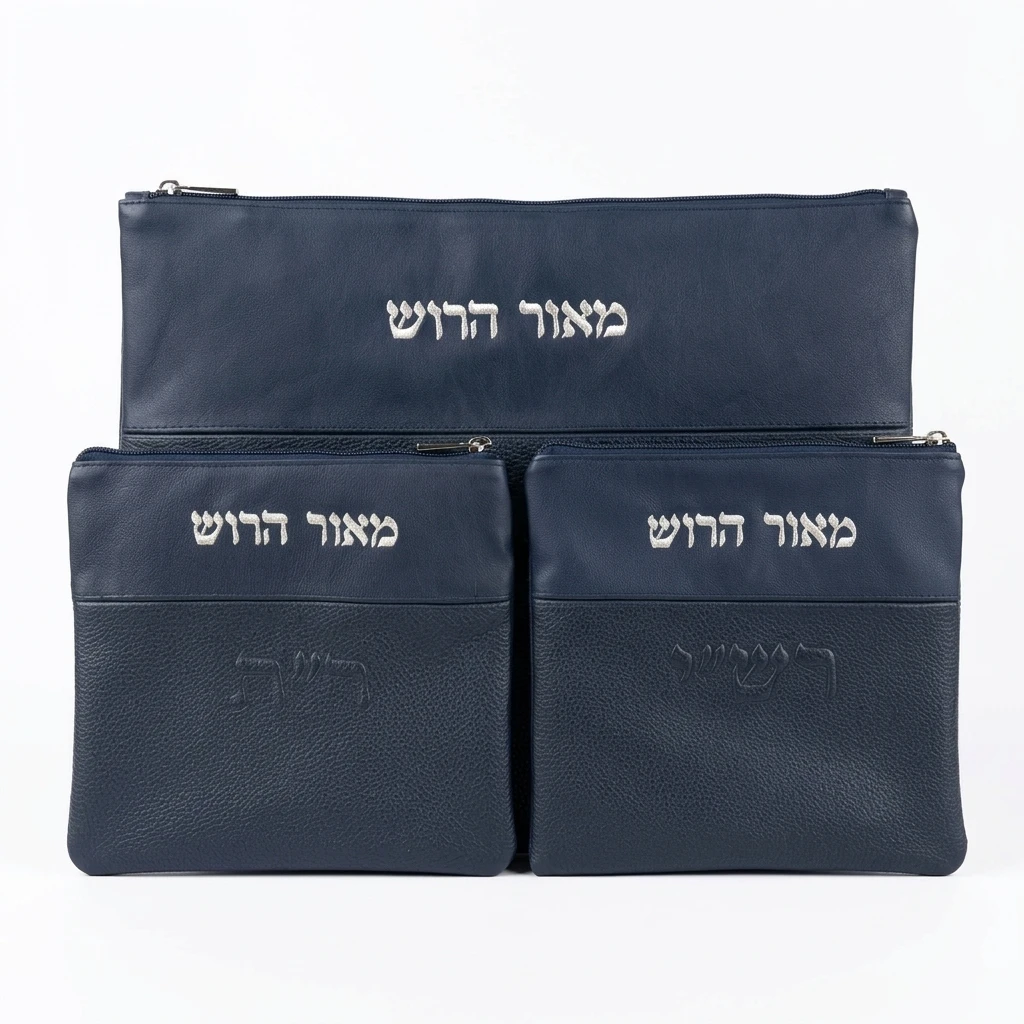
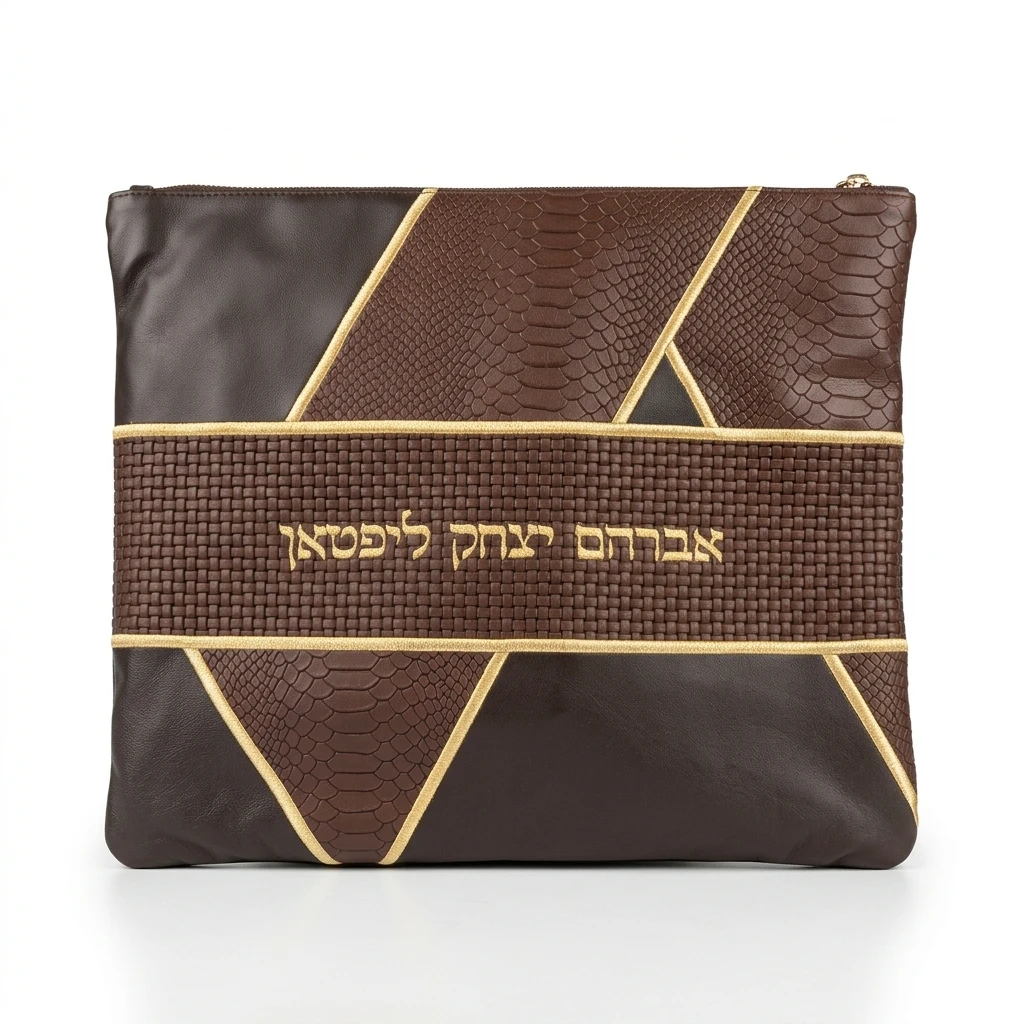
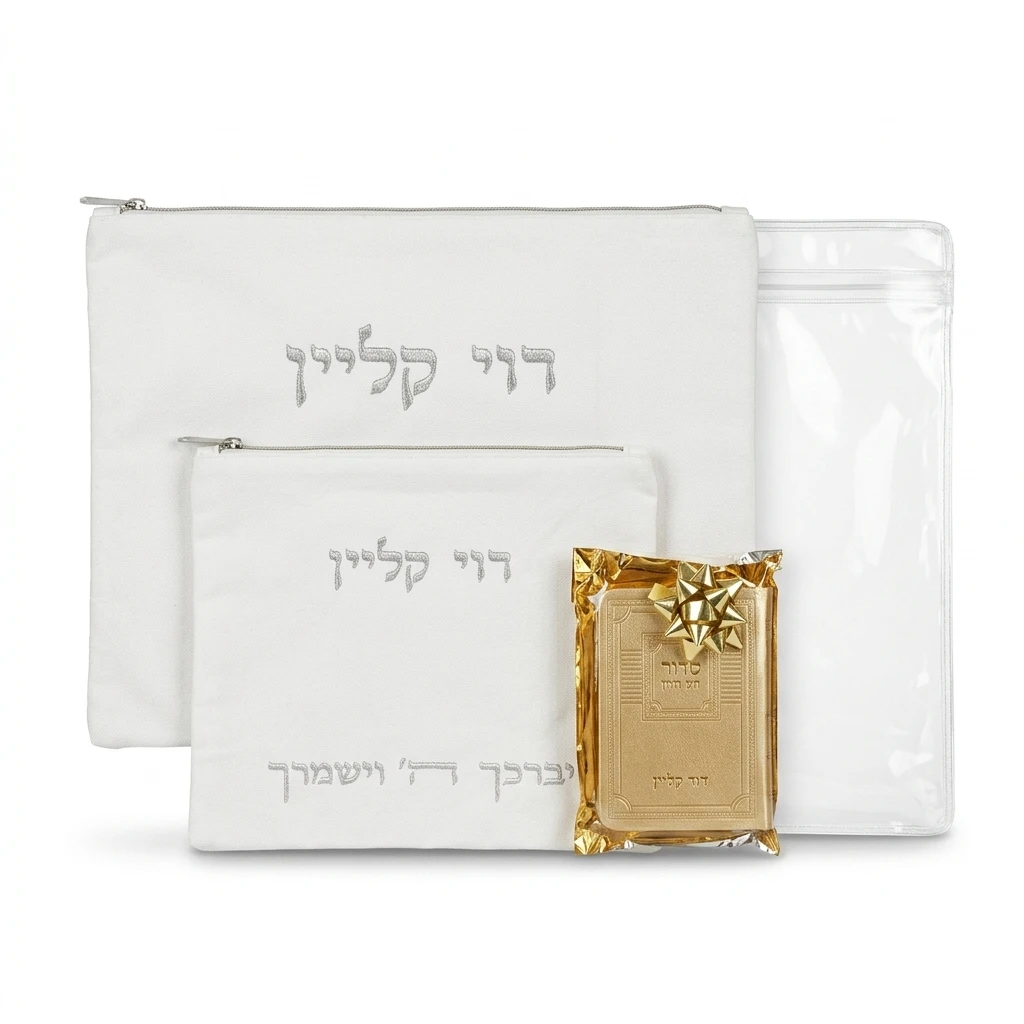
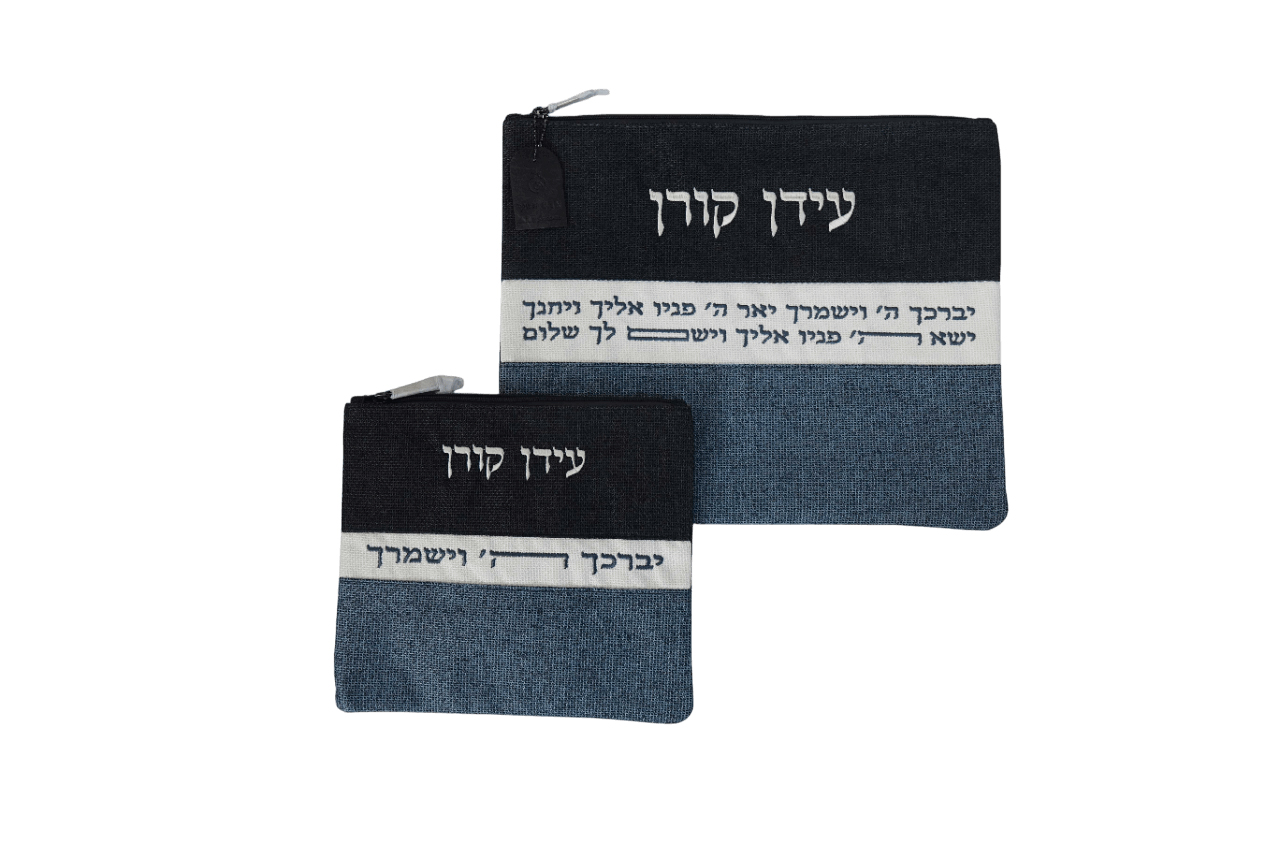
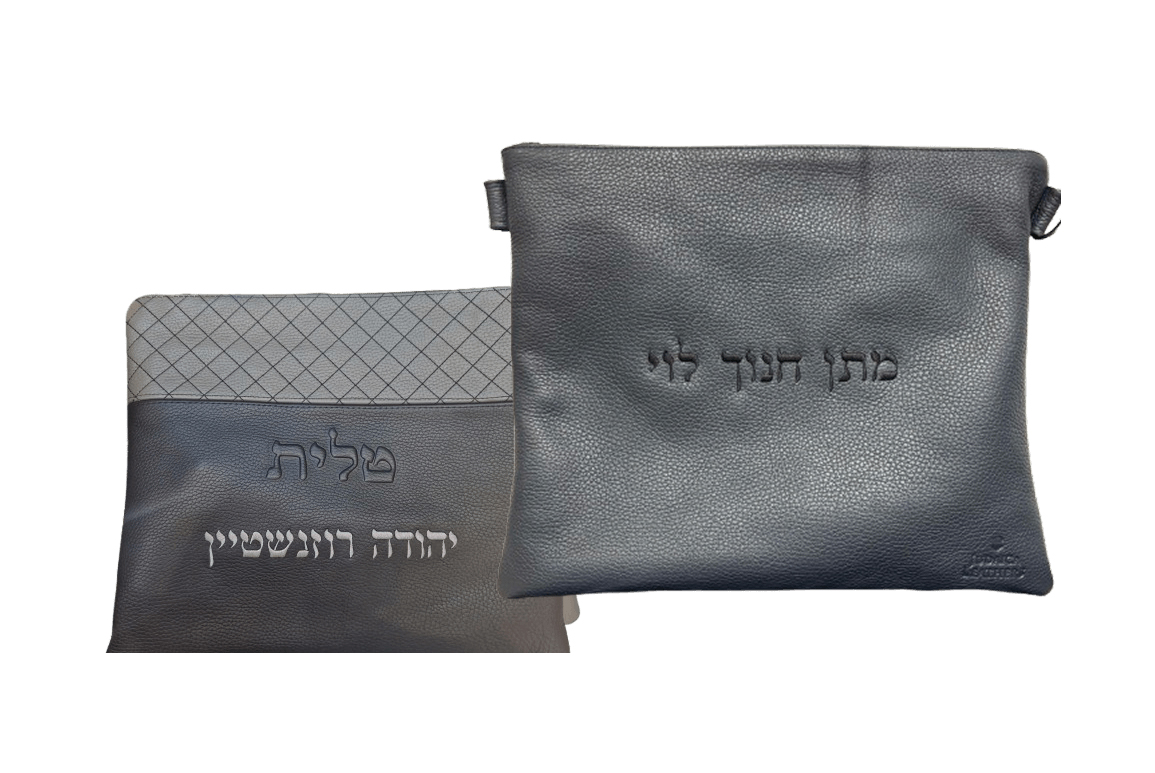
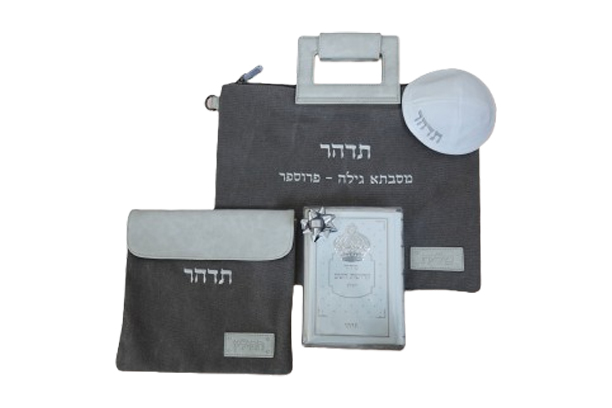
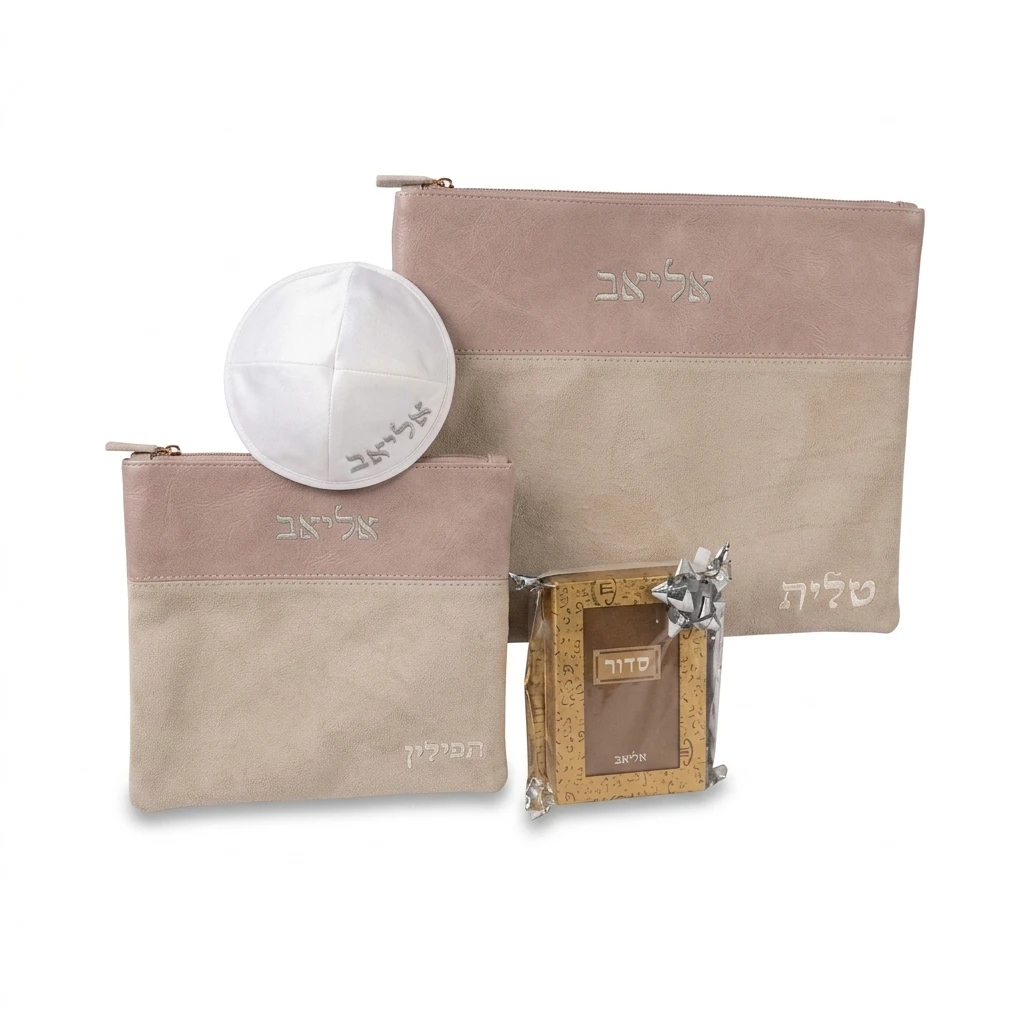
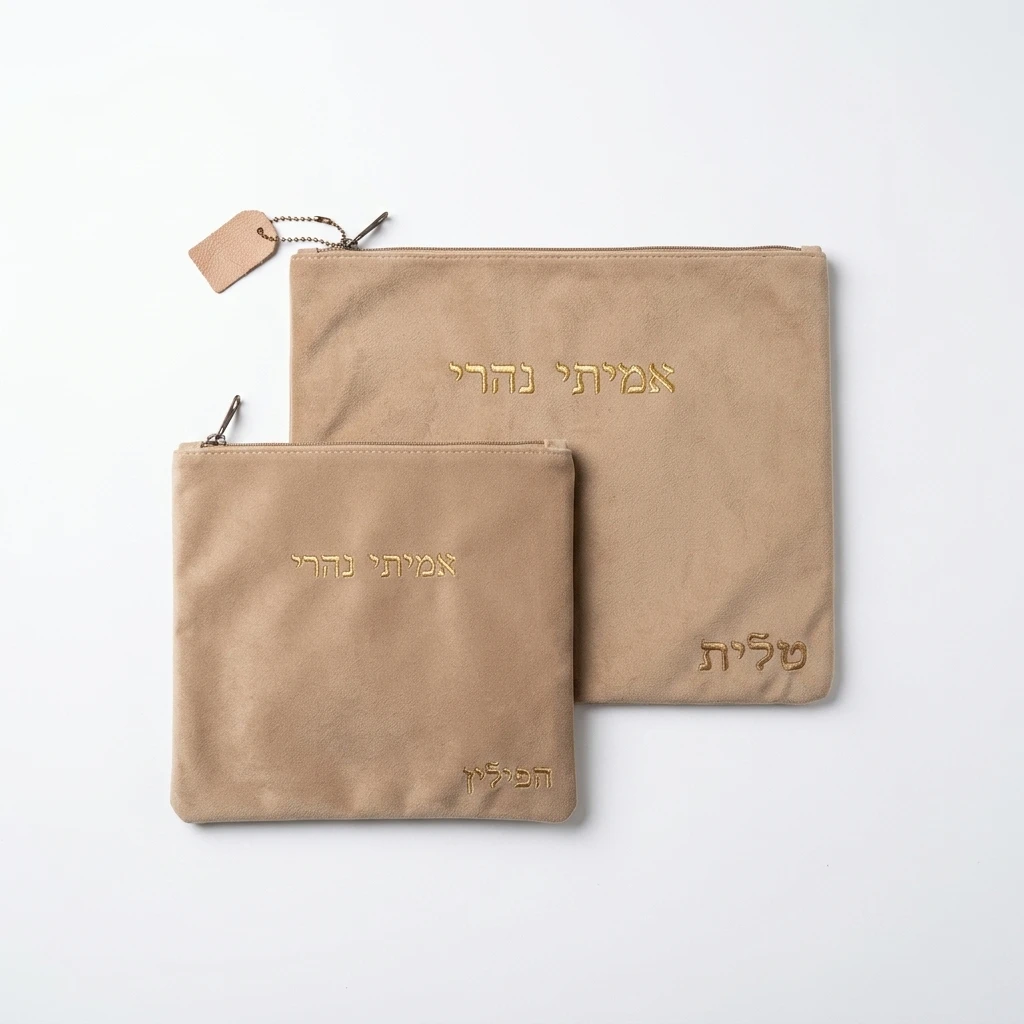
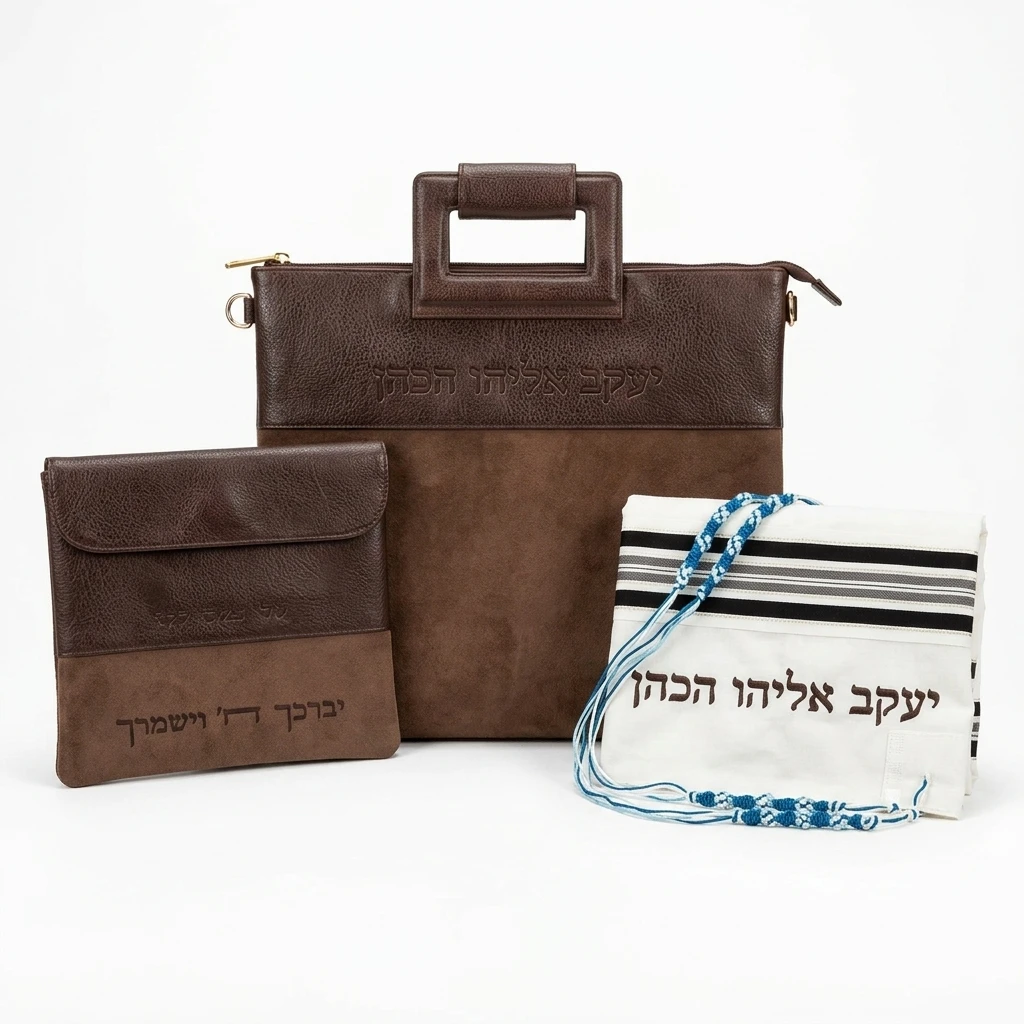
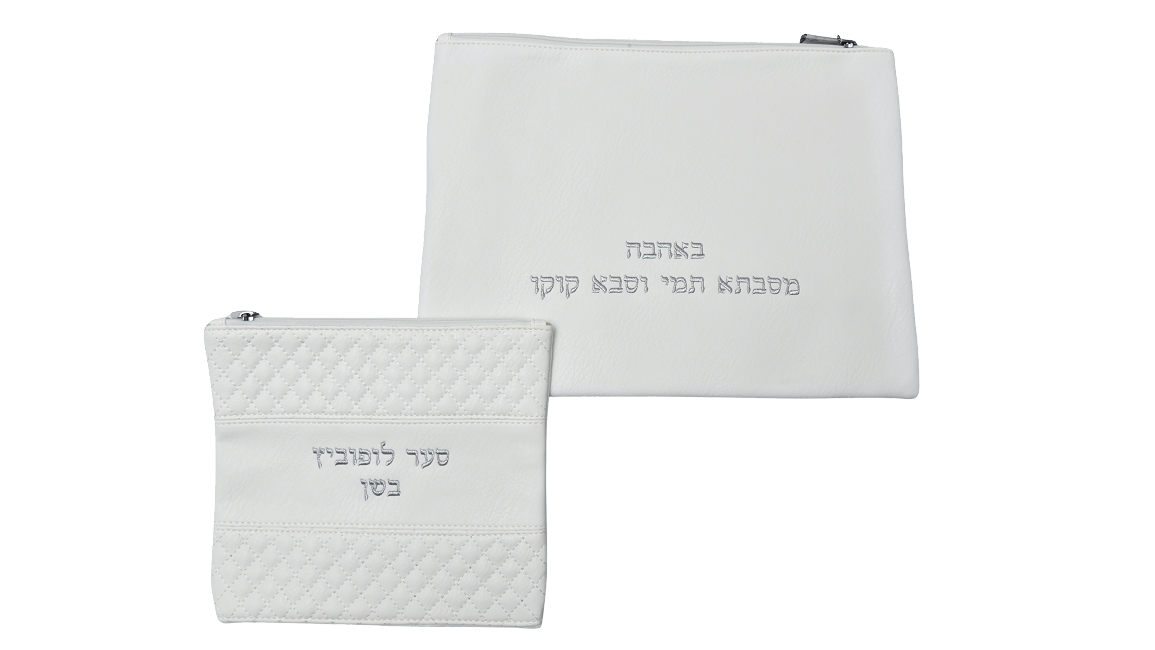
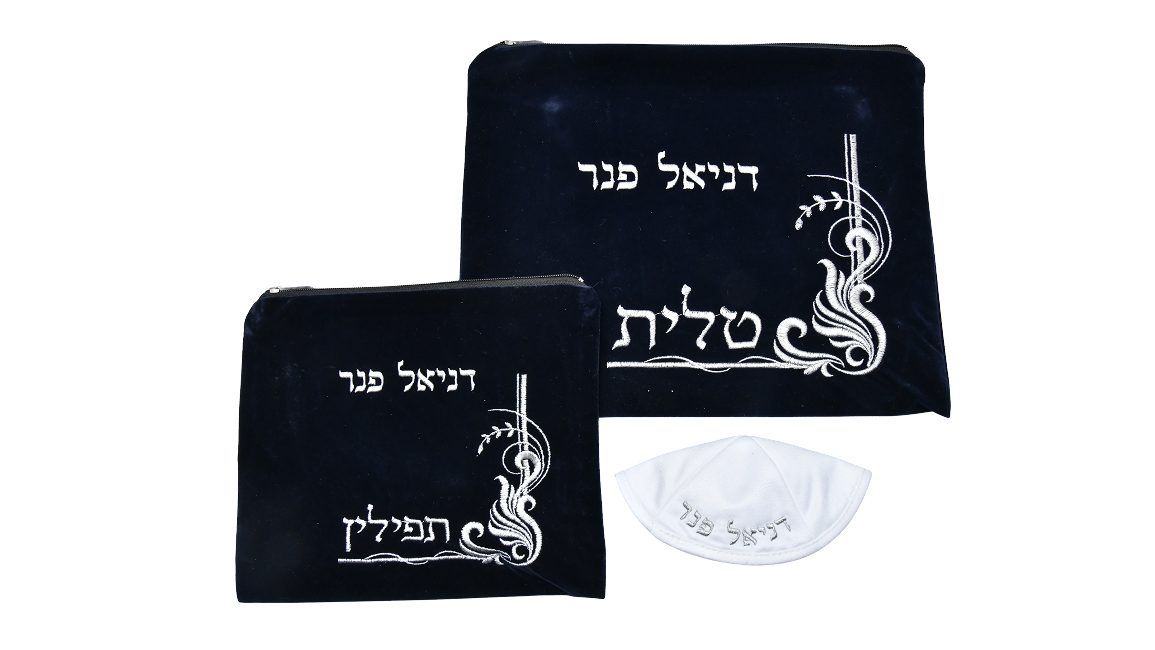
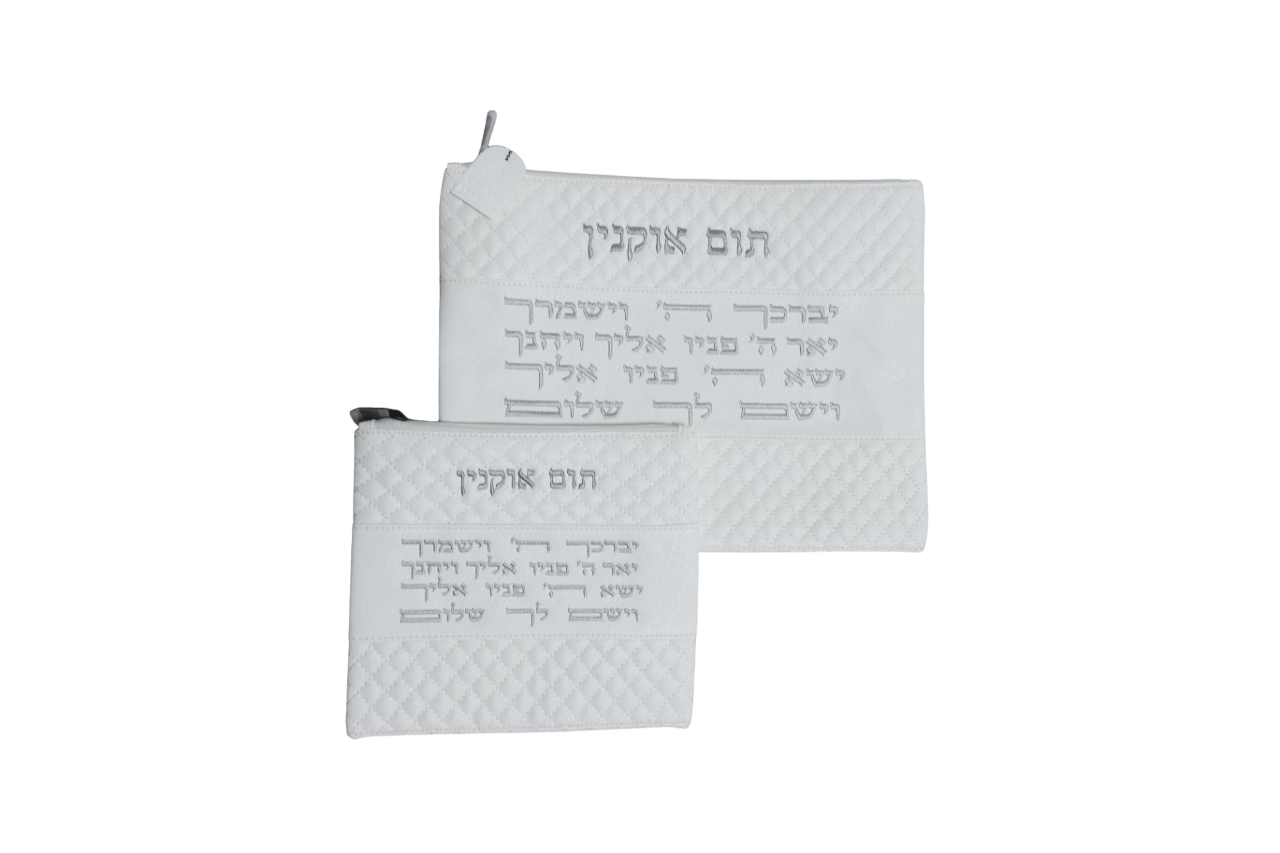
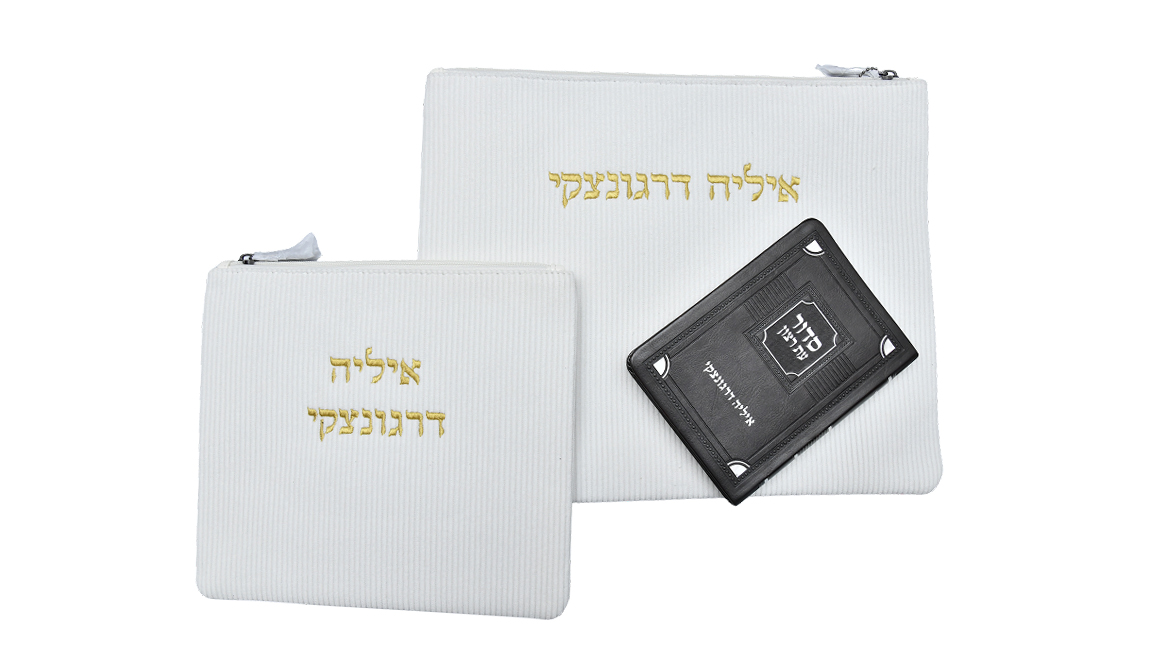
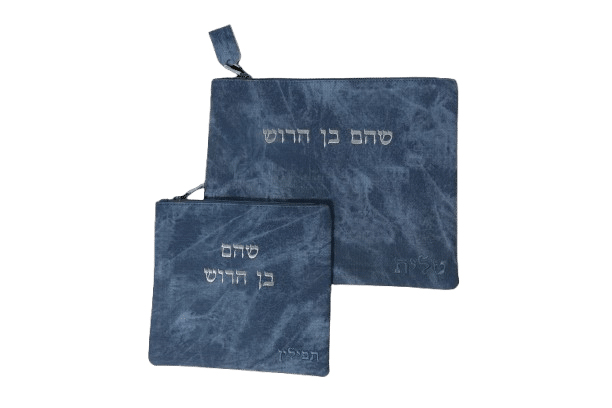
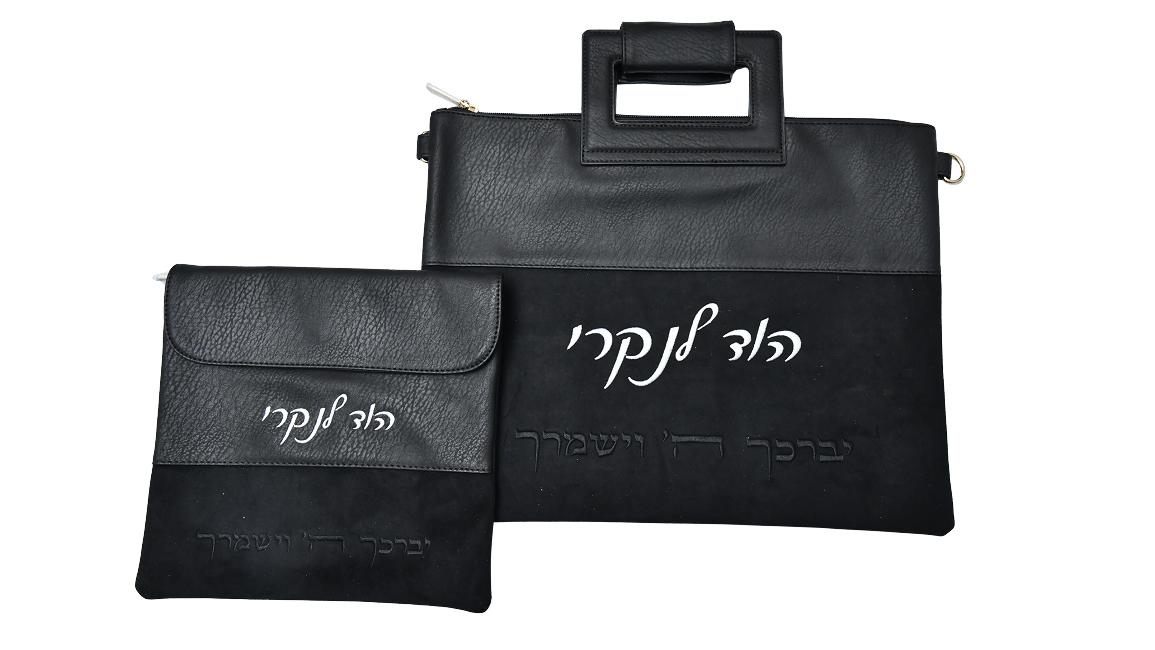
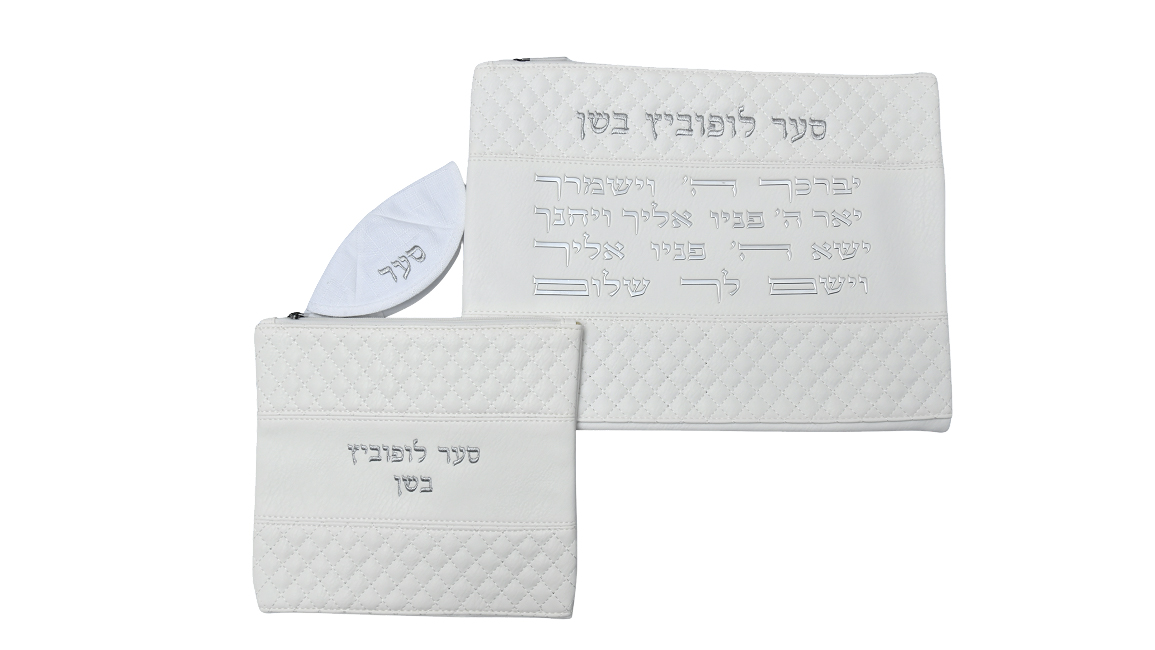
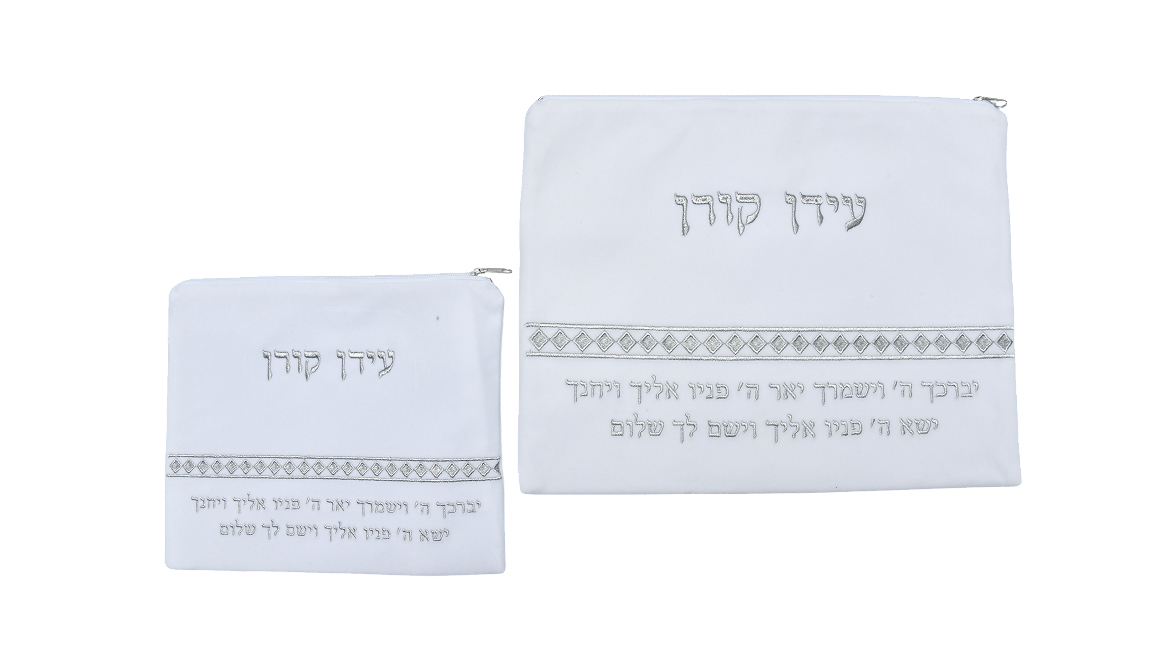
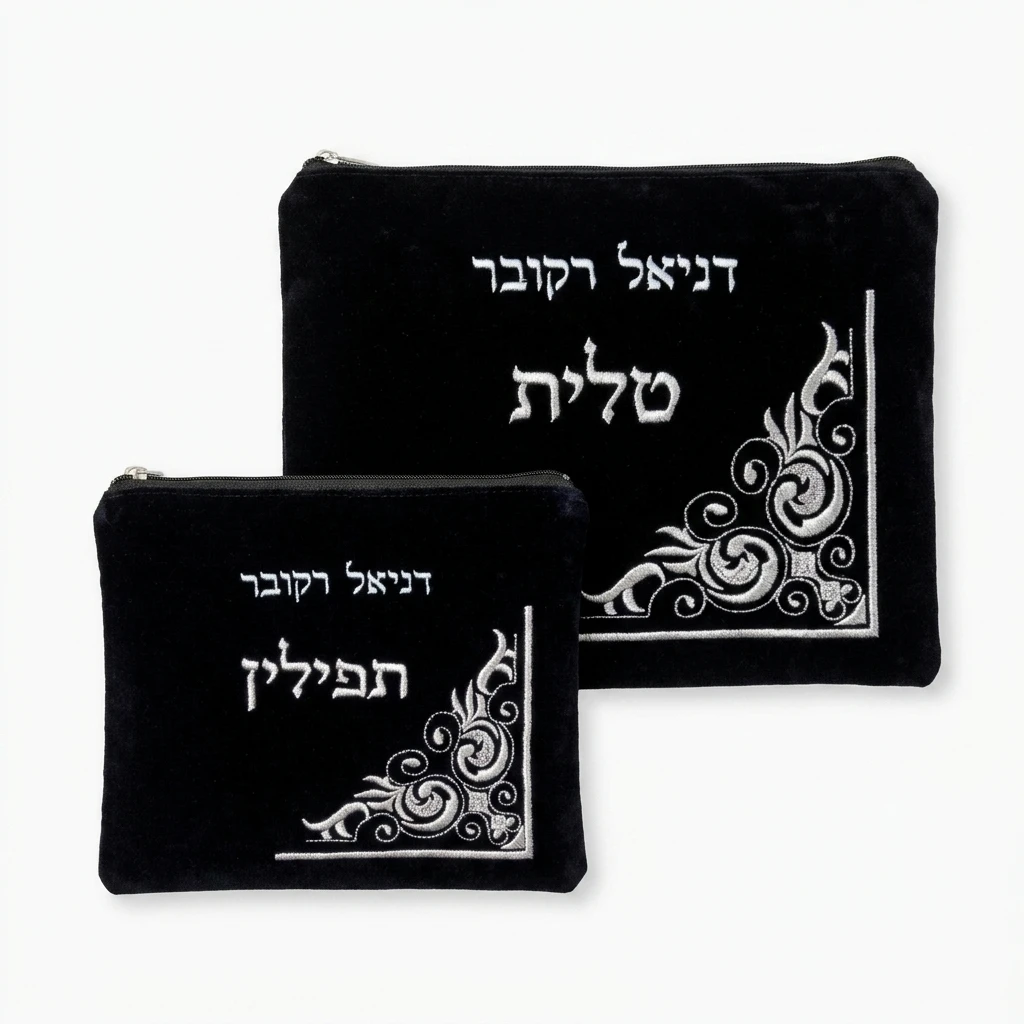
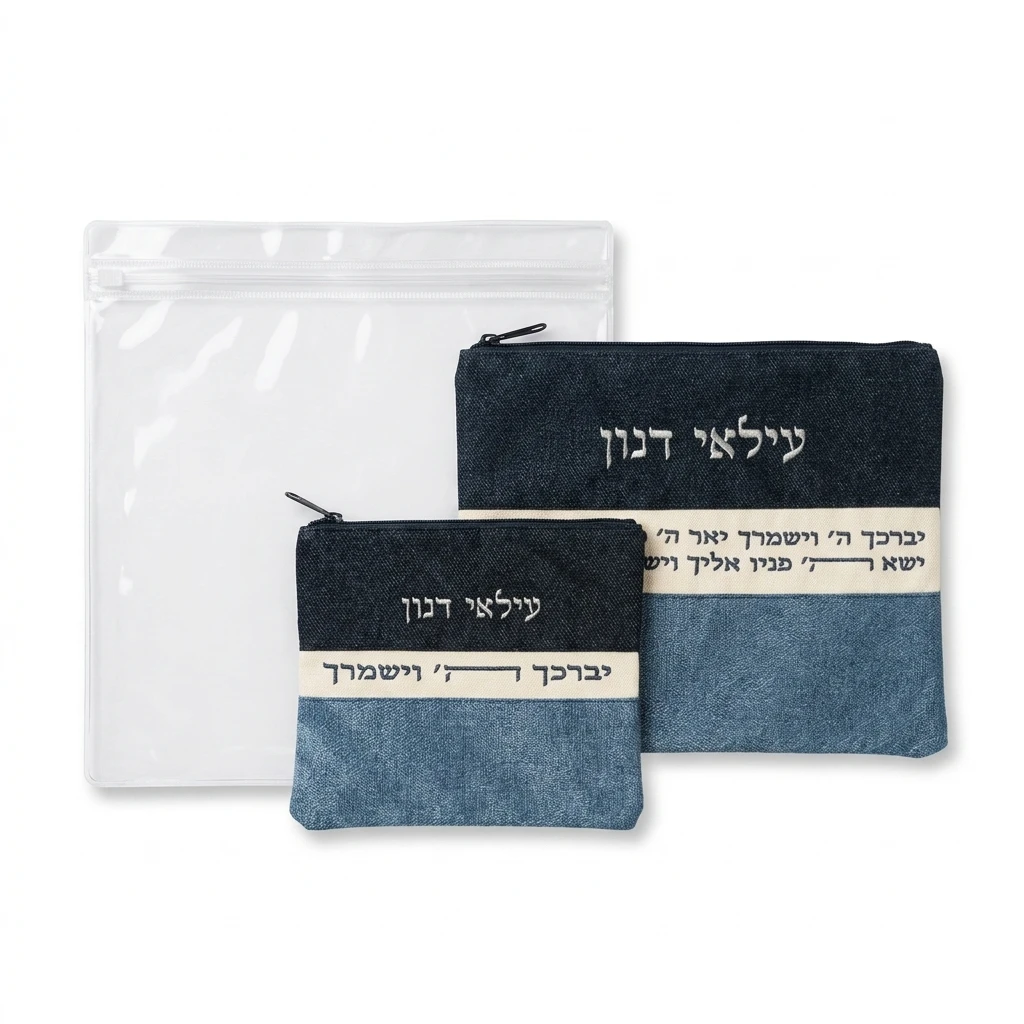
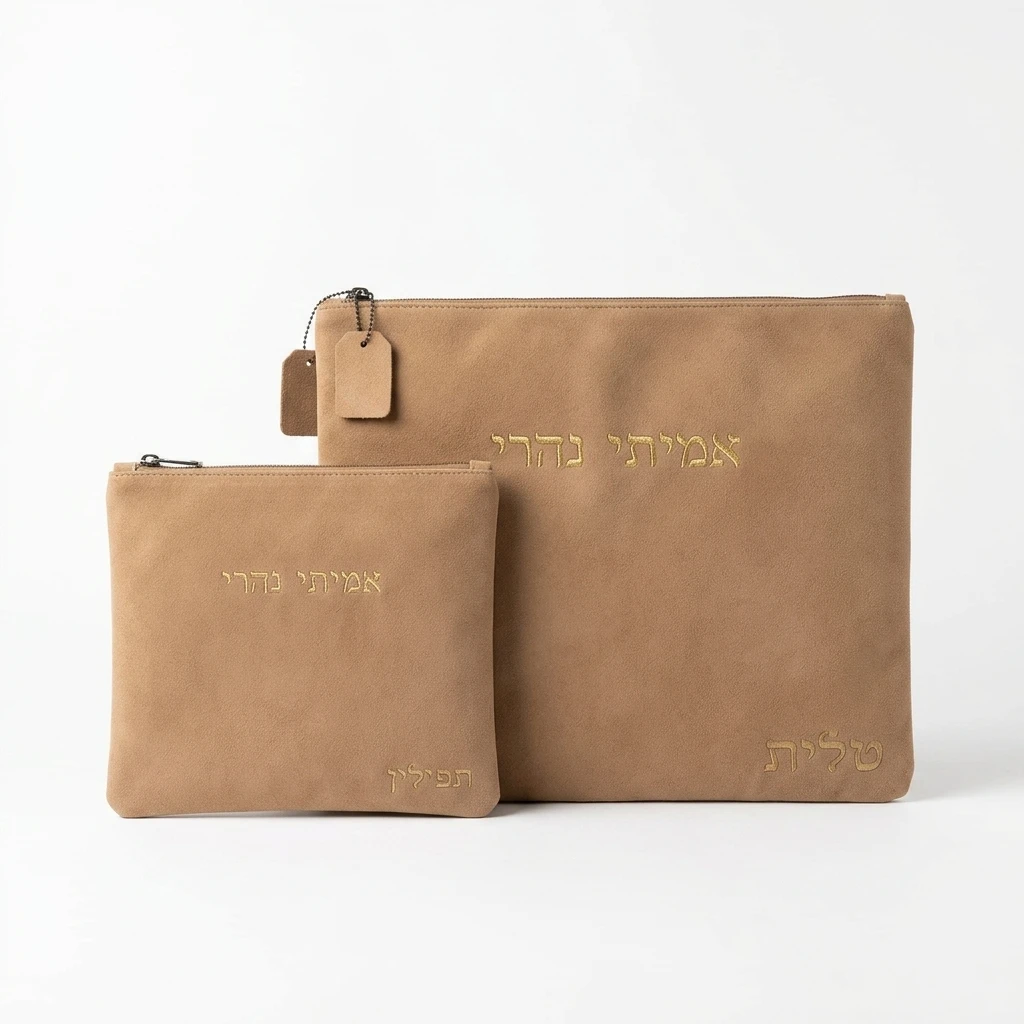
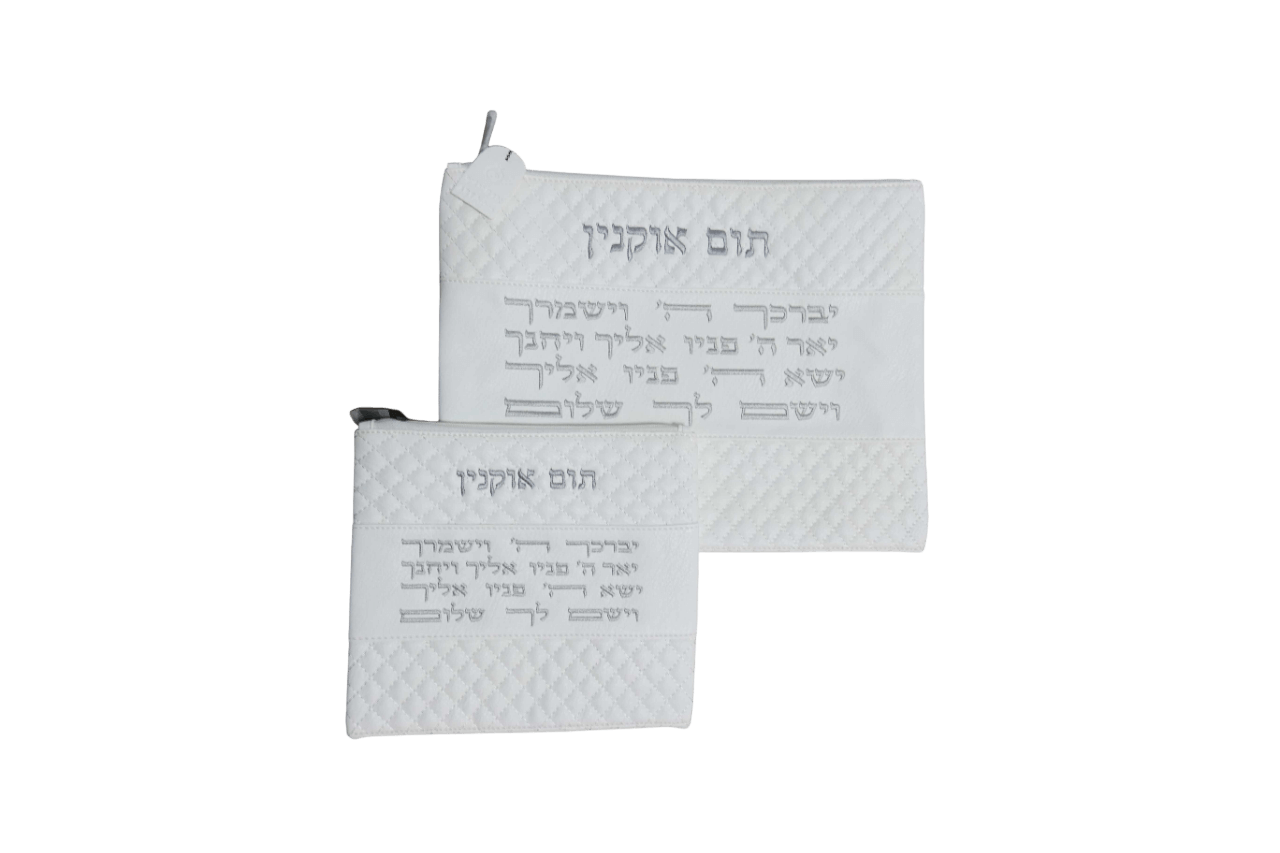
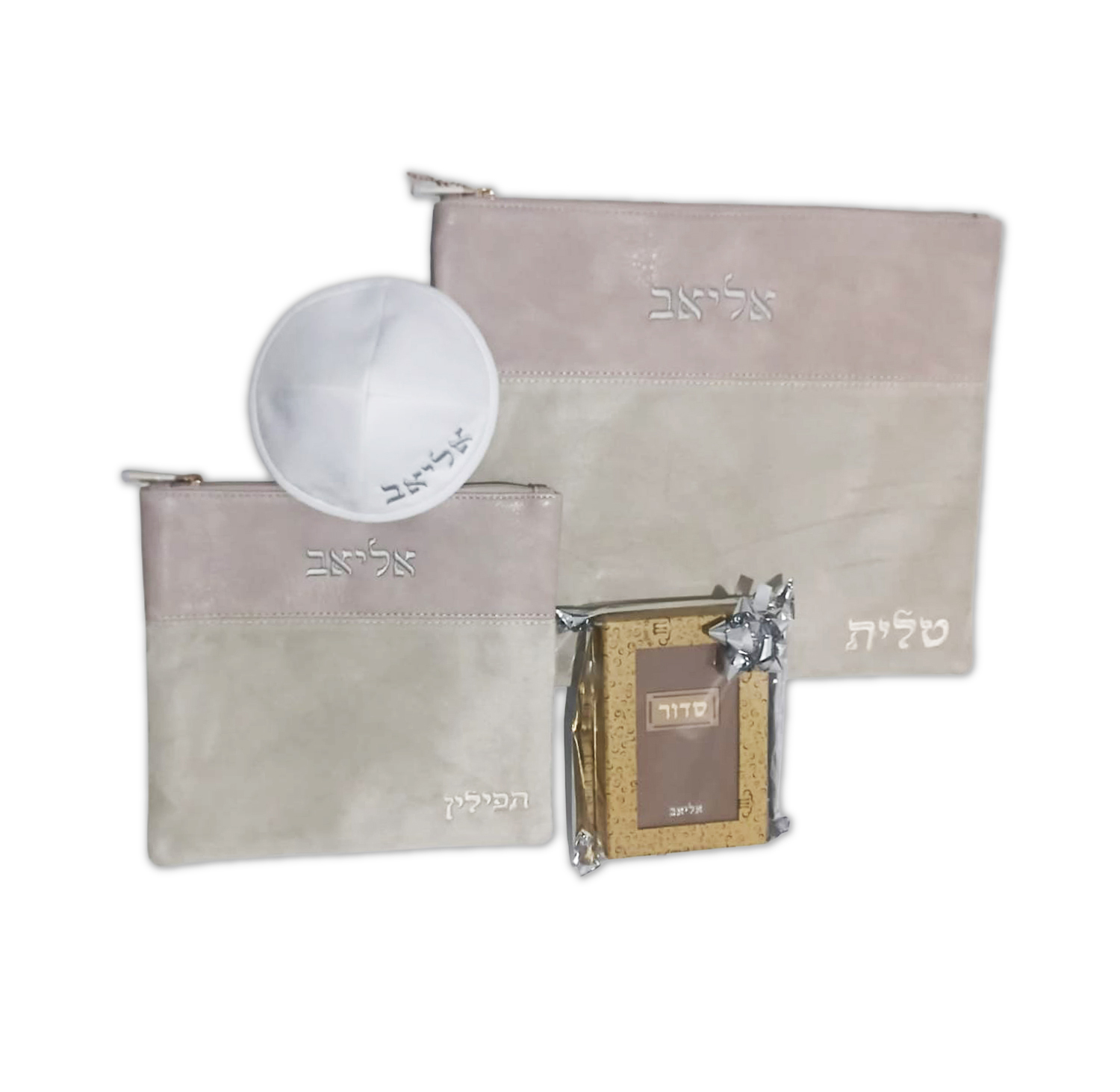
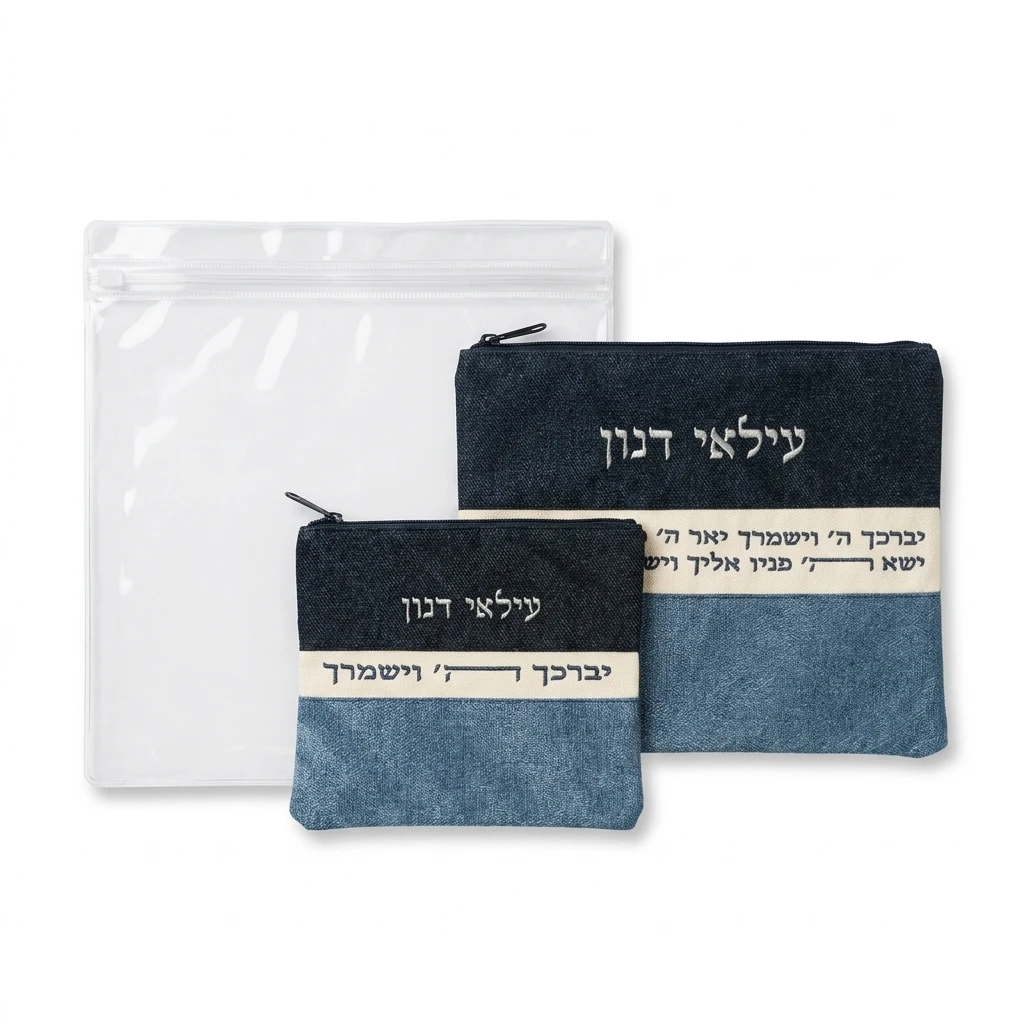
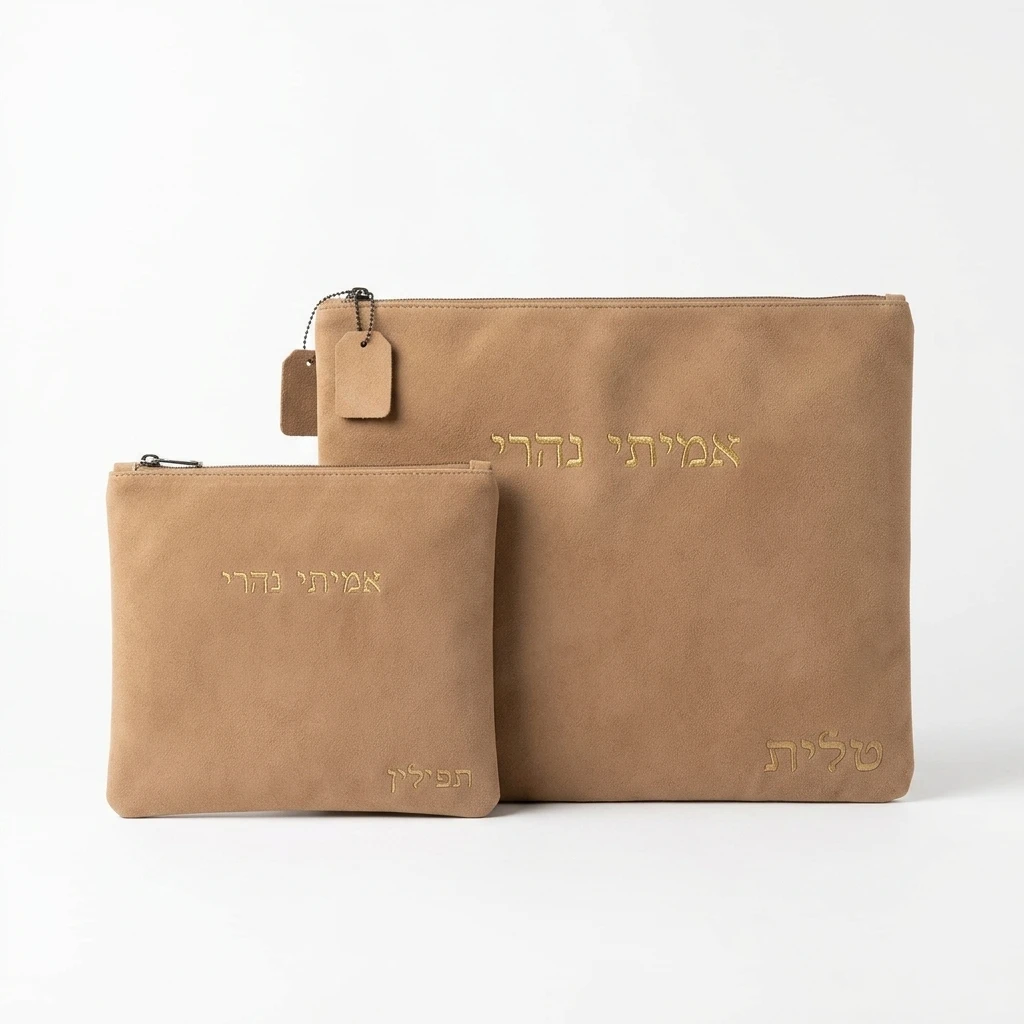
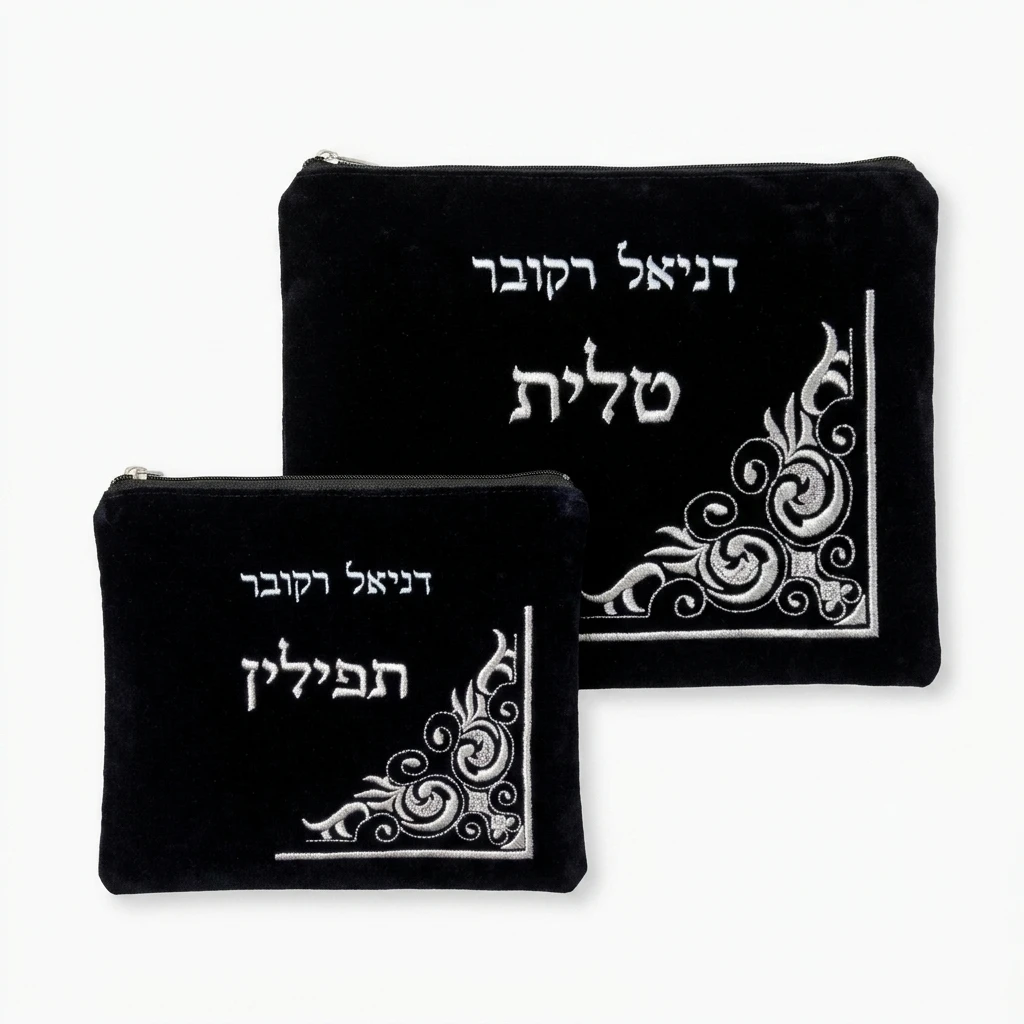
There is another interesting category called “items of items of sanctity” in the second circle, or in Aramaic “tashmishei d’tashmish” (services of the service). A sacred object is anything made to beautify or honor the sanctity, such as the ark, the cloth spread over the reading platform, the Torah scroll’s wooden staves, the mantle or the case, the Torah crown or bells, tefillin straps, the plastic boxes in which the tefillin are placed, the velvet bag of the tefillin [not of the tallit], bindings of holy books, the mezuzah case. Once these are used for a mitzvah, they are considered holy and may not be used for mundane purposes.
Items that do not serve the sanctity itself but serve its vessels are called “items of the item of sanctity” (tashmish d’tashmish), such as a bookshelf, parochet, ark, reading platform, nails holding the mezuzah, and the like. It is permitted to use them for mundane purposes but not to desecrate them. There is no obligation to store them away, but it is proper not to throw them into the garbage or a disrespectful place.
The Jewish library: the sanctity of printed books
In the modern era, most of us do not read scrolls but printed books. Siddurim, Chumashim, Mishnayot, Gemaras, halachic and ethical works — all are considered sacred objects in every respect.
Is printing considered writing?
The authorities have extensively discussed whether a printing press creates sanctity like the writing of a scribe. The decision is yes. Since these letters are intended for Torah study and prayer, and contain the name of God – they must be treated with sanctity.
Golden rules regarding books:
- Do not leave it open: When finishing studying or praying, close the book. It is said that an open book causes one to forget their learning, and it is also disrespectful, implying we are in the middle of it and just abandoned it.
- Do not place on the floor: Holy books should never be placed on the ground. If a book falls, it is customary to pick it up immediately and kiss it.
- Do not sit on them: It is forbidden to sit on a bench on which a holy book is placed (unless the book is resting on something elevated). Certainly, it is forbidden to use a book as an elevation for a chair or anything else.
- Hierarchy in placement: When placing books on top of each other, there is an order: Chumash (Torah) on top, Prophets and Writings underneath it, other books of the Oral Torah such as Mishnah and Gemara below, and halachic books and responsa at the bottom – under Prophets/Writings, and certainly under the Five Chumashim of the Torah. The idea is that greater sanctity should be on top.
Objects of Mitzvah: when the object serves the moment
As mentioned, there are objects that are holy only “for their time.” Let’s explore a few of them, which can be found in a wide and refined variety with us in Ot HaShamayim.
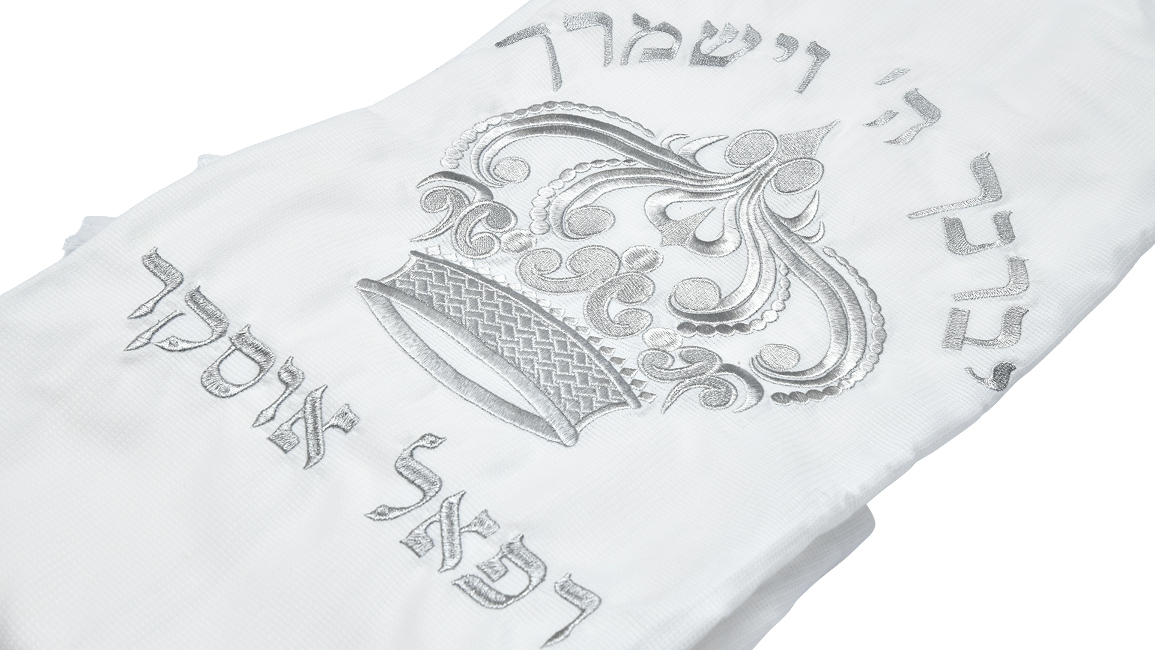
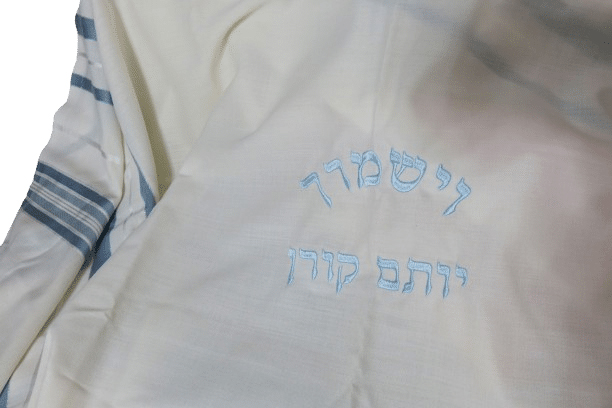
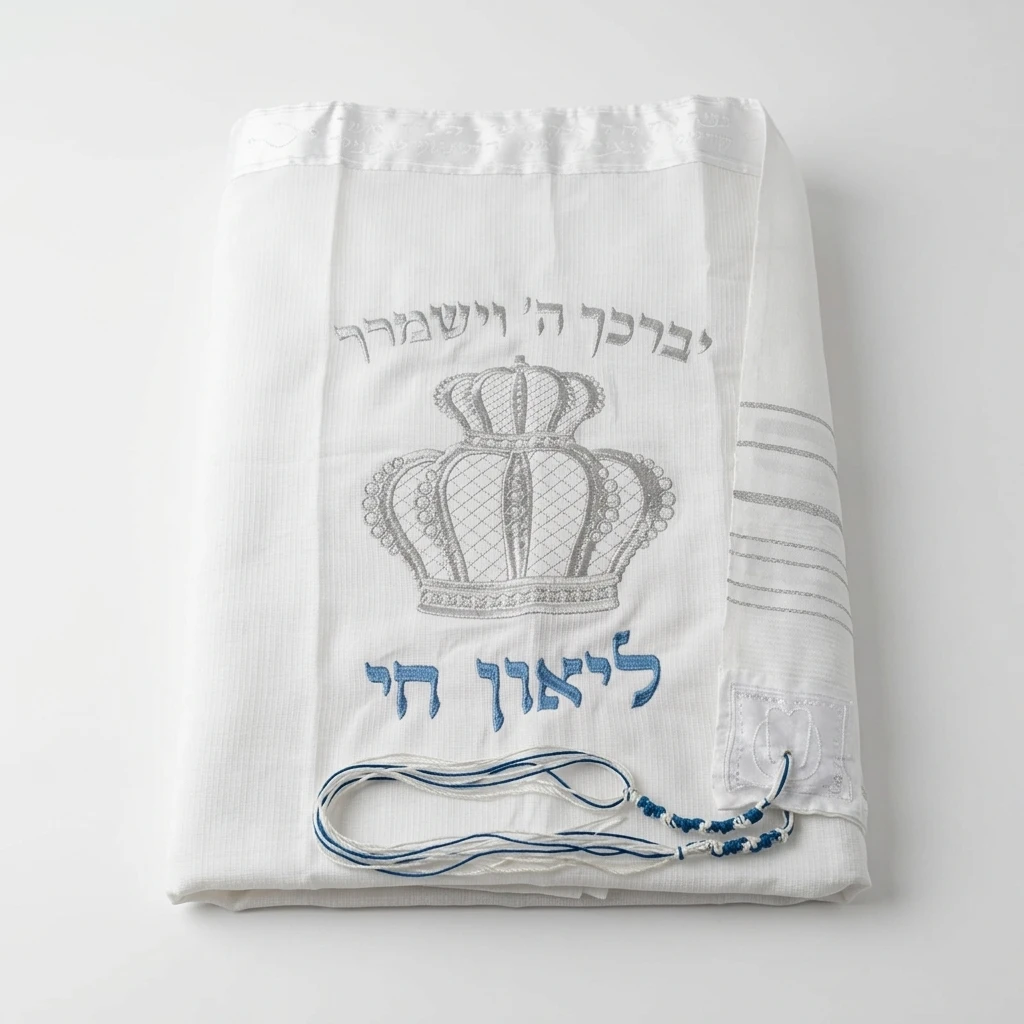
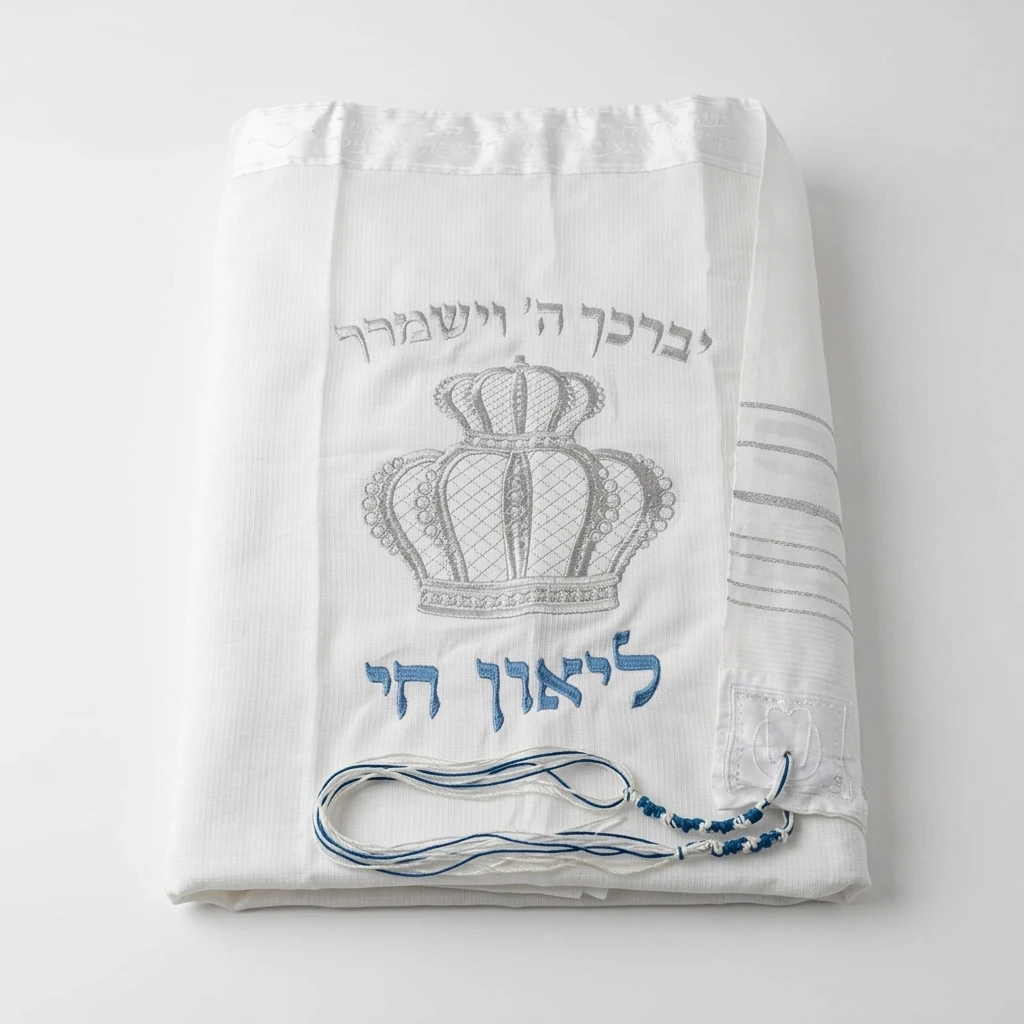
The Tallit and Tzitzit
The garment itself is an “object of mitzvah.” The tzitzit (threads) are the main thing.
- The attitude: Although they do not have the sanctity of the body like tefillin, it is customary to treat them with great respect. One does not throw a tallit on the floor nor use it for mundane purposes.
- When they wear out: Tzitzit that are torn and invalid – some have the custom to store them out of piety, but basically they may be discarded in a place where no one walks.
The Shofar
A simple and natural ram’s horn.
- Holiness: During the blasts on Rosh Hashanah, the shofar is a tool for a higher connection. During the year, it is kept in the ark. There is no prohibition for a child to practice on it, but it is proper to keep it in a respectful place.
Shabbat Candlesticks
Shabbat candles are a mitzvah, and the candlesticks are the vessel for the mitzvah.
- Enhancement: Here comes the concept of “This is my God and I will glorify Him.” Since the candles symbolize household peace and the light of Shabbat, it is customary to invest in expensive candlesticks (silver, crystal, or other materials in beautiful designs) to honor the mitzvah, even though they themselves are not “holy objects” in the sense of a Torah scroll.
What is Genizah? The cemetery for letters
One of the unique concepts in Judaism is “Genizah.” In other cultures, when a book ages – it is thrown into paper recycling. For us, letters do not die; they only get replaced.
Why store away?
The deep idea is that holiness does not expire. Just as the human body is a vessel for the soul and when it passes away we bury it with respect, so the parchment and paper are vessels for divine words. Throwing them in the trash is a disgrace to the word of God that dwells within them.
What goes into Genizah?
- Any page written with the Name of God or verses.
- Worn holy books.
- Weekly Torah portion leaflets (which contain words of Torah).
- Invalid mezuzot and tefillin.
How to store away?
In most cities in the country, there are dedicated genizah facilities (usually near synagogues or mikvahs). Special trucks collect the genizah and it is buried in the ground in cemeteries or in special compounds, in a respectful ceremony.
Perspective: Why do we even need objects to connect to spirituality?
One of the interesting philosophical questions is: If God is spiritual and abstract, why do we need cowhide (tefillin), sheep’s wool (tzitzit), and a branch of a tree (lulav) to connect to Him? Why not just meditate and that’s it?
The Jewish answer is deep and beautiful: We are here to sanctify the physical, not to escape from it.
Judaism does not believe in asceticism (like certain monasteries). Our goal is to take this world – the physical, the low, the material – and elevate it upwards. When a person takes a piece of parchment and writes words of holiness on it, he proclaims: “Even this material belongs to the Creator of the Universe.” And of course the main thing is that all the commandments are tools to connect to the Creator of the Universe and to do His will. There is a lot of depth, reasons, and explanations, some of which are detailed in the holy Gemara and in the inner books of the Torah like the Zohar and the like, and there are many more reasons unknown to us, and righteous people reveal parts of them in every generation, very deeply, who can find them.
Sacred objects are our “anchors” in reality. They allow us to touch, kiss, and feel holiness with our hands. They remind us that everywhere, even in simple physics, a soul is hidden.
Wise consumerism: How to buy sacred objects?
When buying a sofa for the living room, you check comfort and design. When buying ritual items, you also check the “inside.” The market is flooded with products that look beautiful on the outside but are halachically problematic and sometimes even invalid.
A message from heaven, we have engraved reliability as a supreme value on our banner. Here are some things important to check before buying:
- Kosher certification: Tefillin and mezuzot must have at least a certification of computer proofreading. Don’t buy a “cat in a bag.”
- The identity of the scribe: Regarding STaM, it is important to know that a God-fearing scribe wrote the scroll. Printing machines or people not versed in halacha invalidate the STaM, even if the writing looks perfect (“nice handwriting, but not kosher”).
- Enhancement: There are different levels of embellishment. In ritual items, the financial investment is an investment for eternity. It is better to buy one beautifully made mezuzah than two dubious ones.
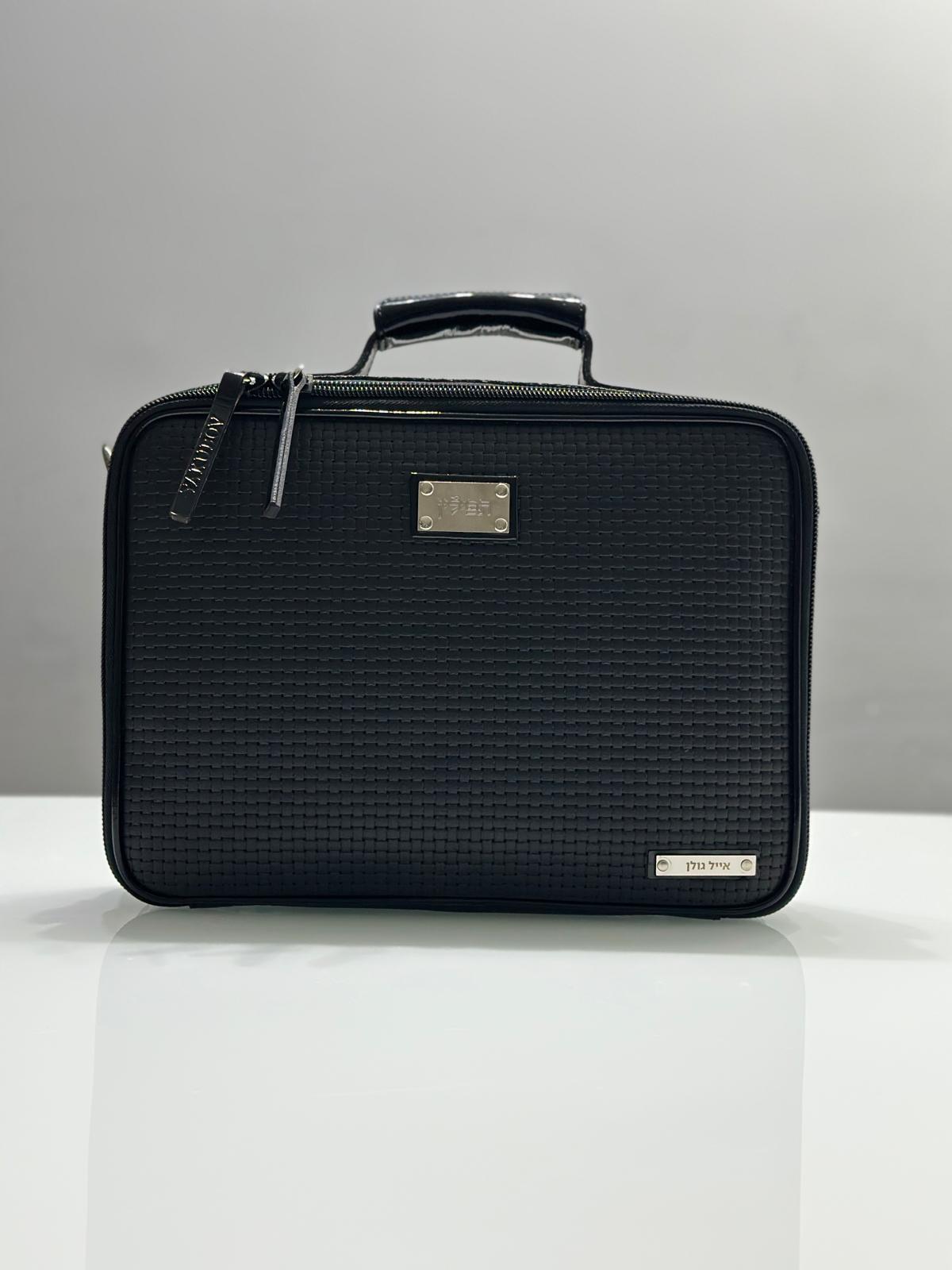
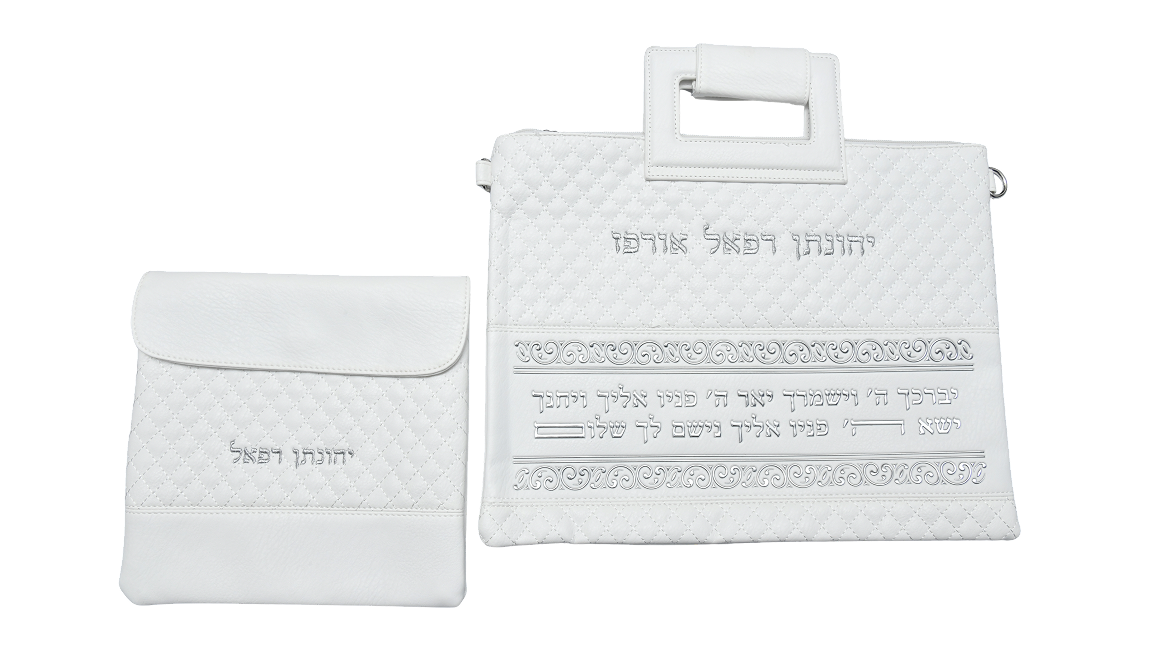
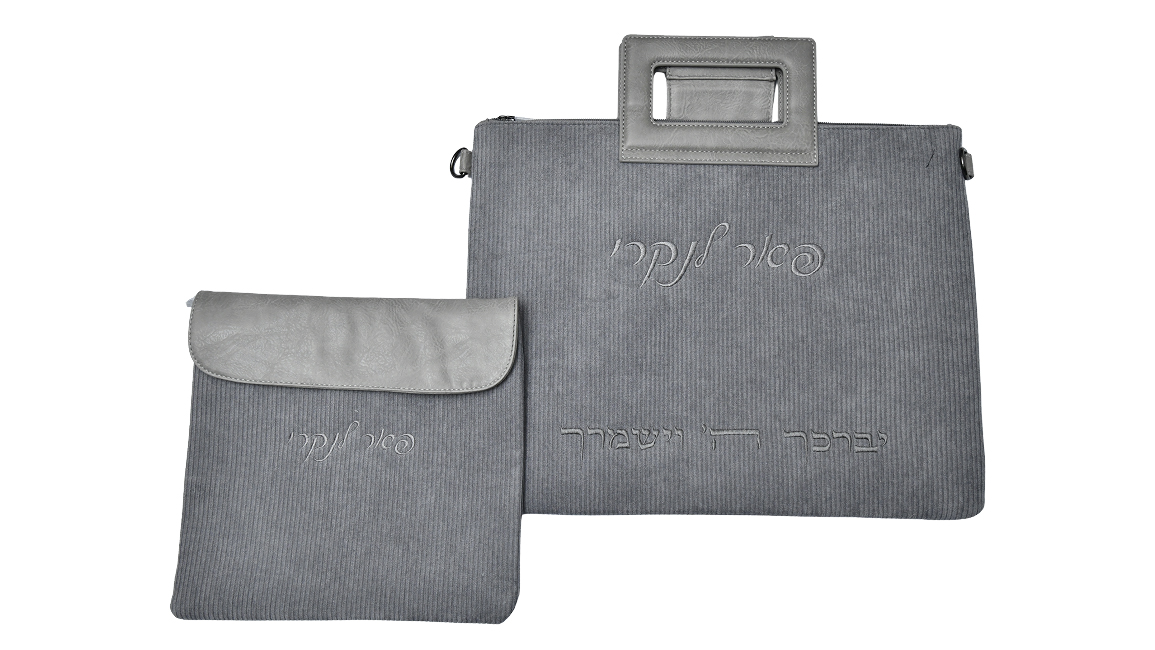
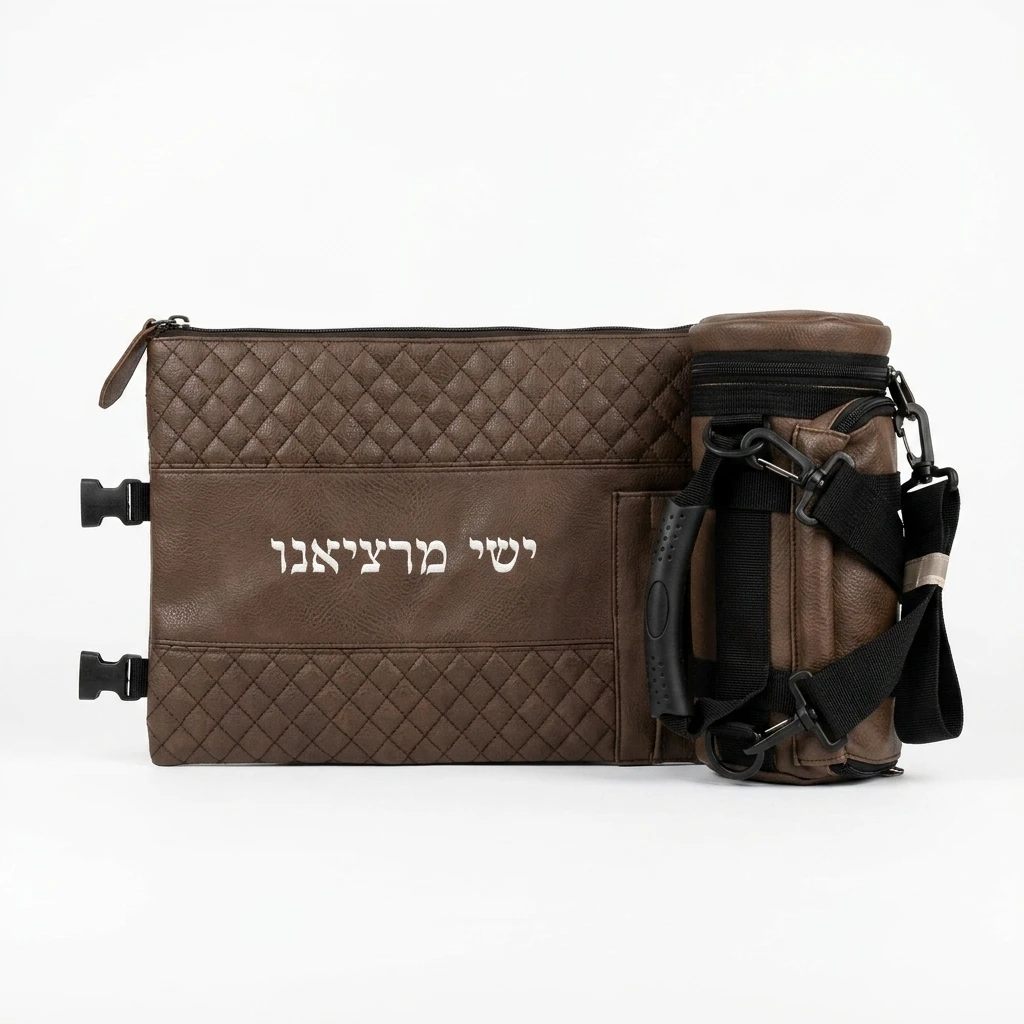
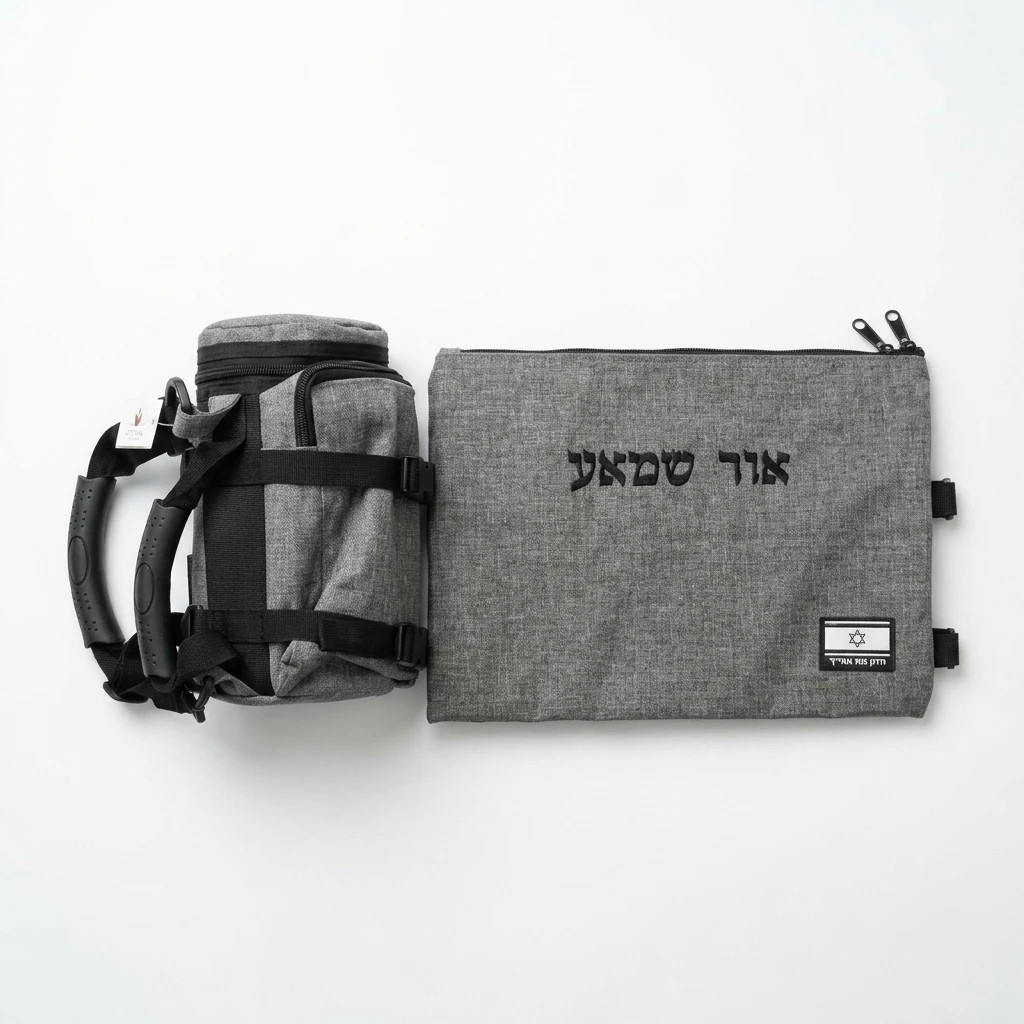
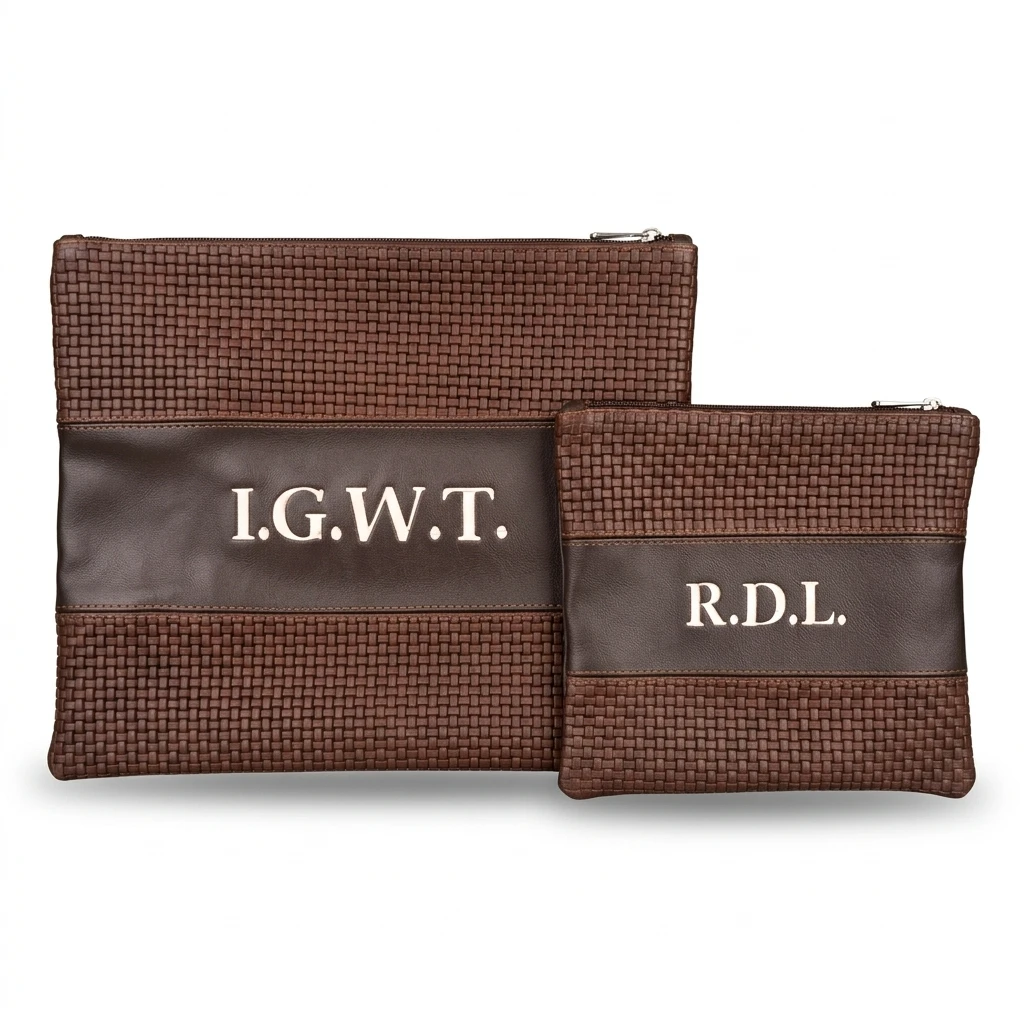
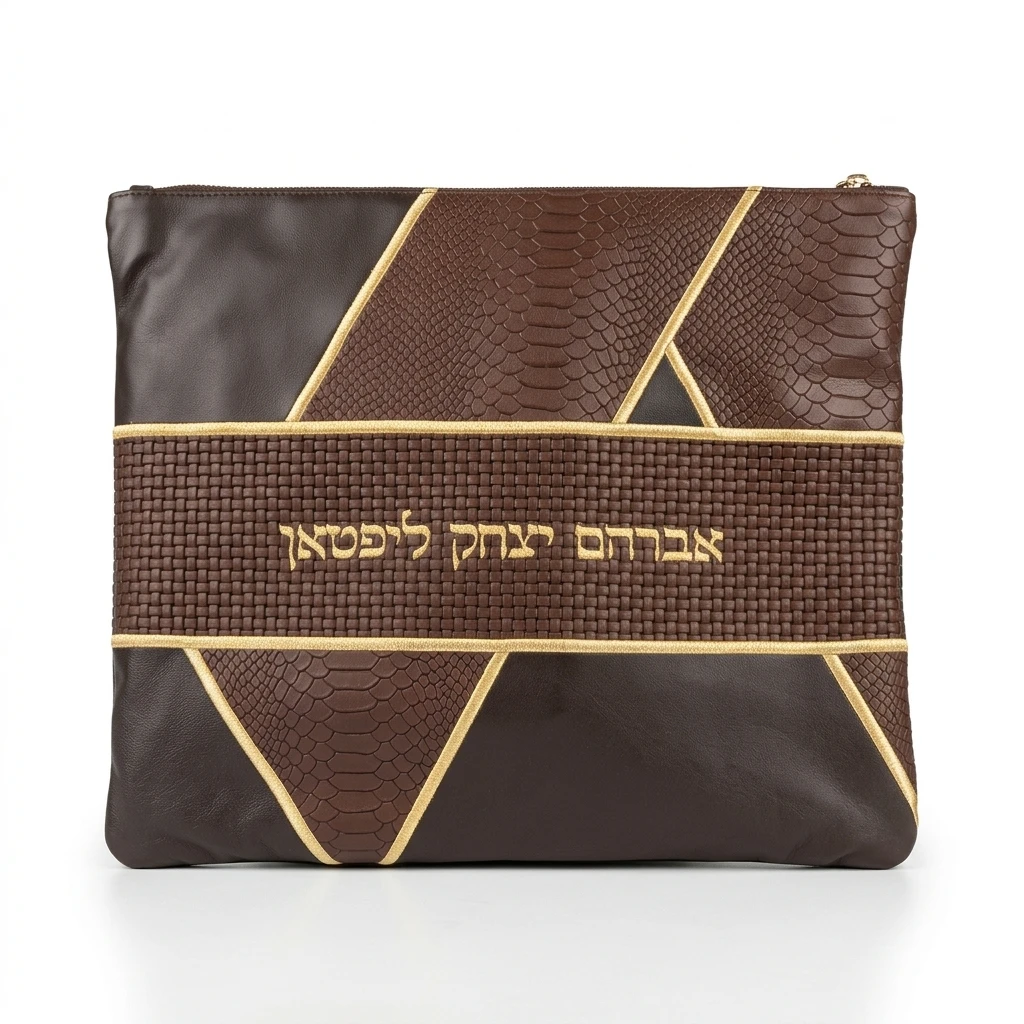
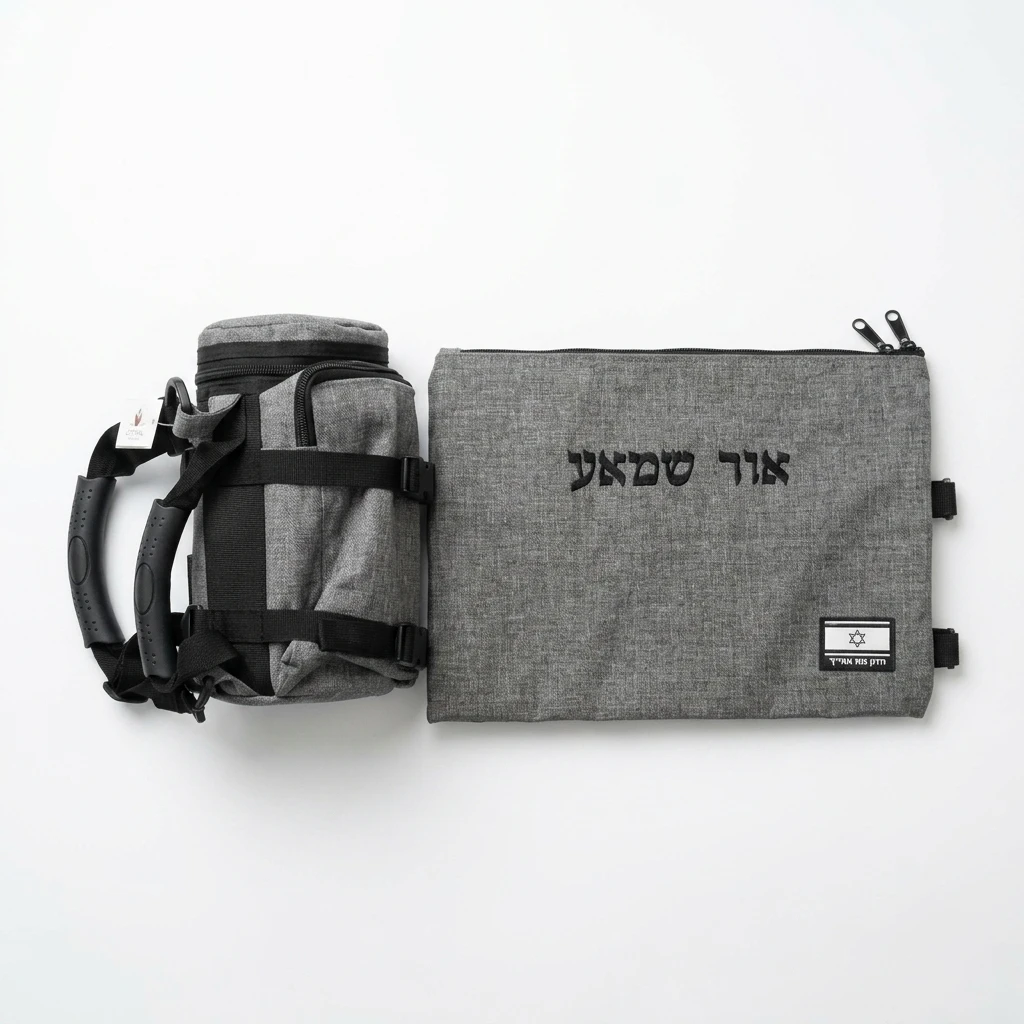
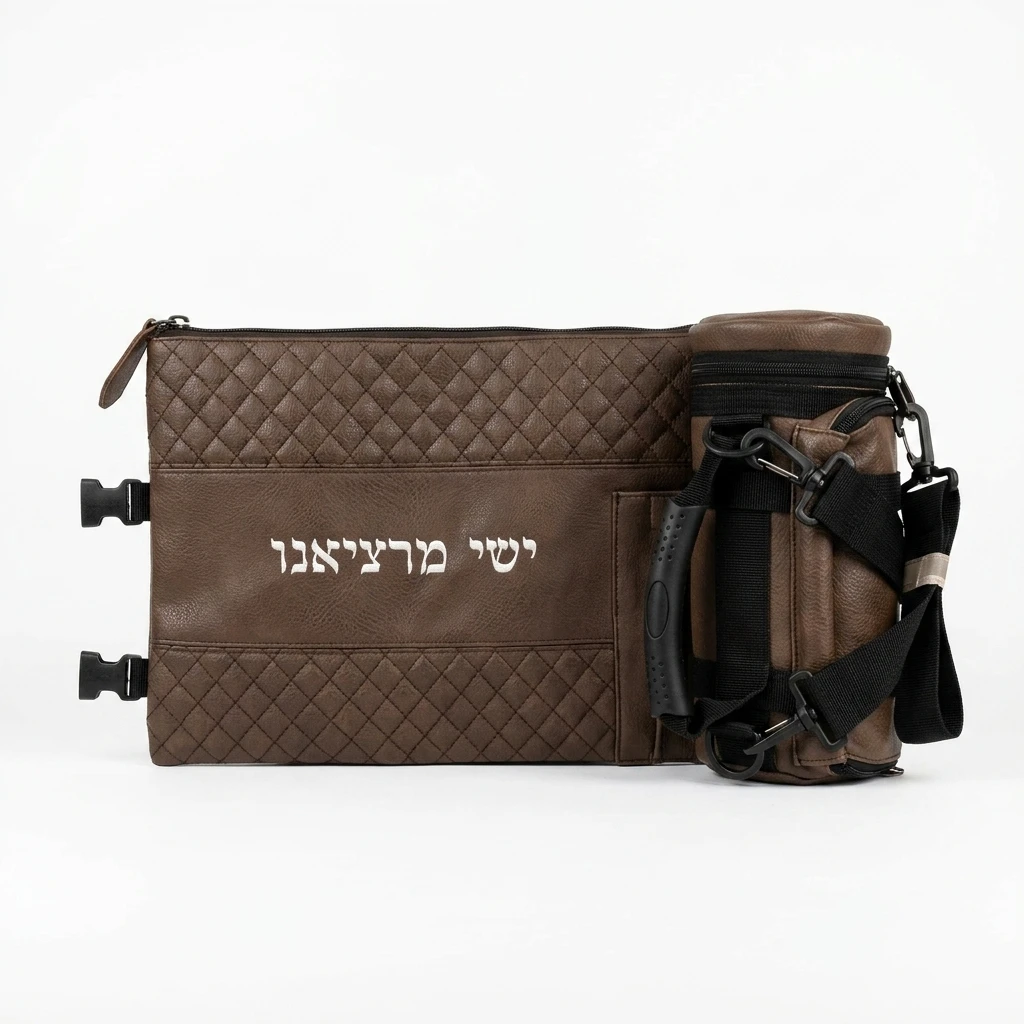
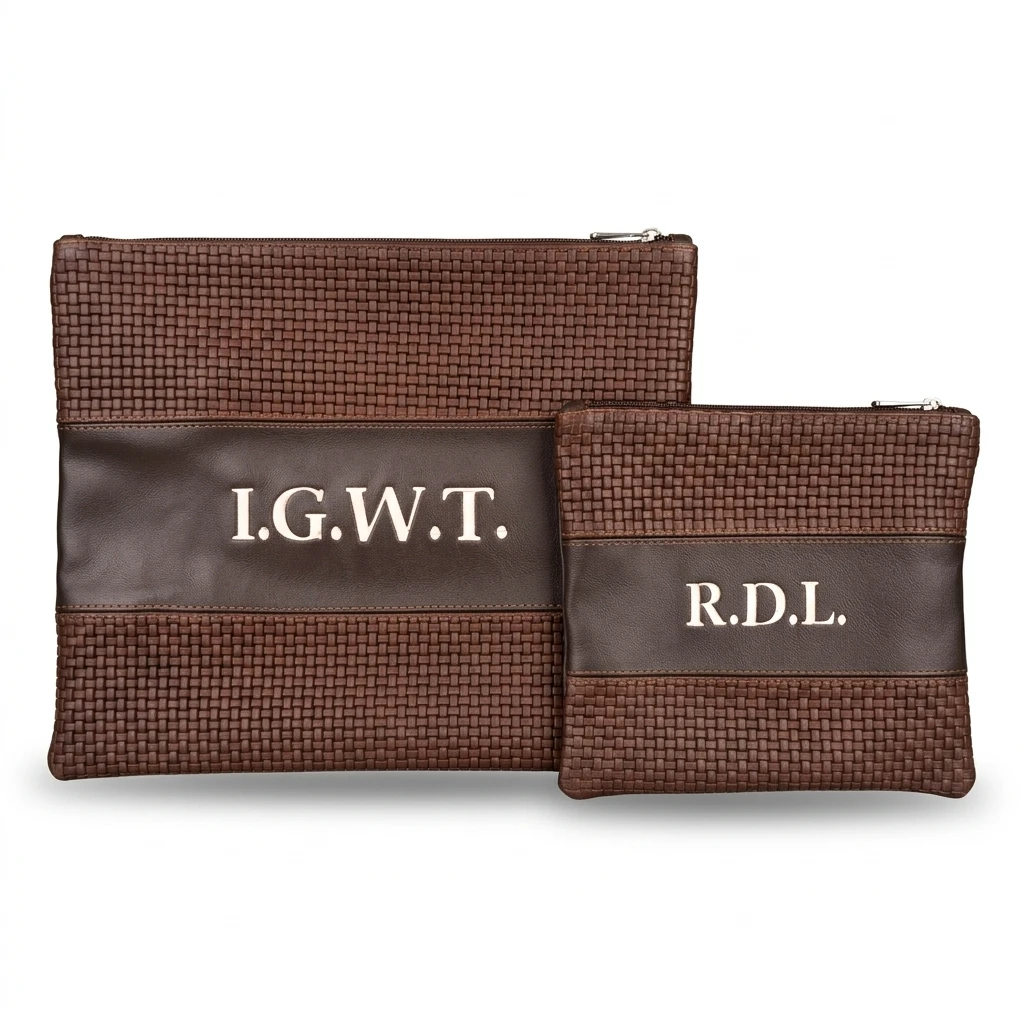
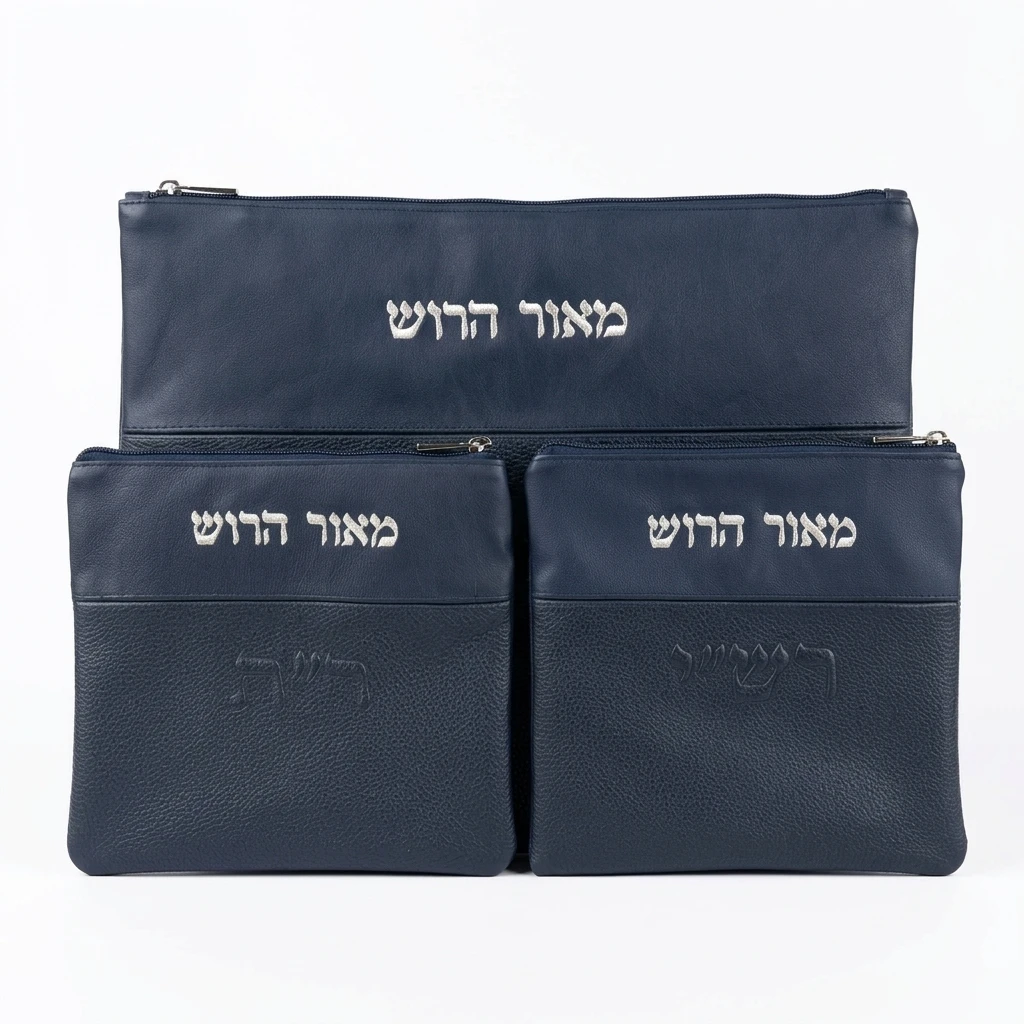
- Durability: Tefillin as well as cases for tallit and tefillin, for example, need to be not only beautiful but also strong and well-protect the precious contents.
Questions and answers (Q&A) about ritual items
Is a kippah a ritual item?
Surprisingly, no. The kippah is a garment intended for reverence of heaven and a Jewish identity sign, but it does not have inherent sanctity (like tefillin do). Therefore, if a kippah wears out, it can be discarded and does not require genizah.
My child drew a picture and wrote a verse from the Chumash on it. Does it require genizah?
In principle, if the child wrote it for the sake of learning – it is holy. The common and proper custom in religious homes is to educate the child to respect and also place such drawings in genizah, or to cut out the part with the verse and only store that part.
Does a religious newspaper require genizah?
If it contains a Torah section (weekly portion, etc.) – this section requires geniza. The rest of the newspaper (news, advertisements) does not. Because it’s difficult to separate, many put the entire newspaper for geniza, but this is the reason there is a special marking on certain pages in religious press labeled “Requires Geniza”.
I bought a new and beautiful mezuzah case from HOLY LETTERS, what should I do with the old one?
If the old mezuzah case actually contained the mezuzah scroll, it has the sanctity of a “holy item” as explained above that requires geniza. Even though the mezuzah scroll is wrapped in plastic, the mezuzah case is still considered a holy object because it is made in honor of the mitzvah and thus is considered a holy object (see M”B Siman 151:414).
Points to ponder: The furniture of the soul
In conclusion, it is worthwhile to think of our home as a small sanctuary.
The regular furniture – the sofa, the table, the computer – serve our body.
The siddurim, the candlesticks, the mezuzot – these are the furniture of our soul. They are the tools through which the soul breathes, expresses itself, and feels at home.
When we invest in a beautiful cover for the challot, a fine bag for the tallit, or an ornate Torah bookshelf, we are not just “decorating”. We are making a strong statement: “In this home, the spirit is as important as the material.”
At the HOLY LETTERS website, we invite you to equip your private sanctuary with the finest holy items. Carefully selected products, with full warranty and strict kashrut, so that the light in your home will be the purest, the cleanest, and the most beautiful possible.
Ready to bring holiness into your home? Enter our rich catalog now, and choose the item that will warm your heart and soul.