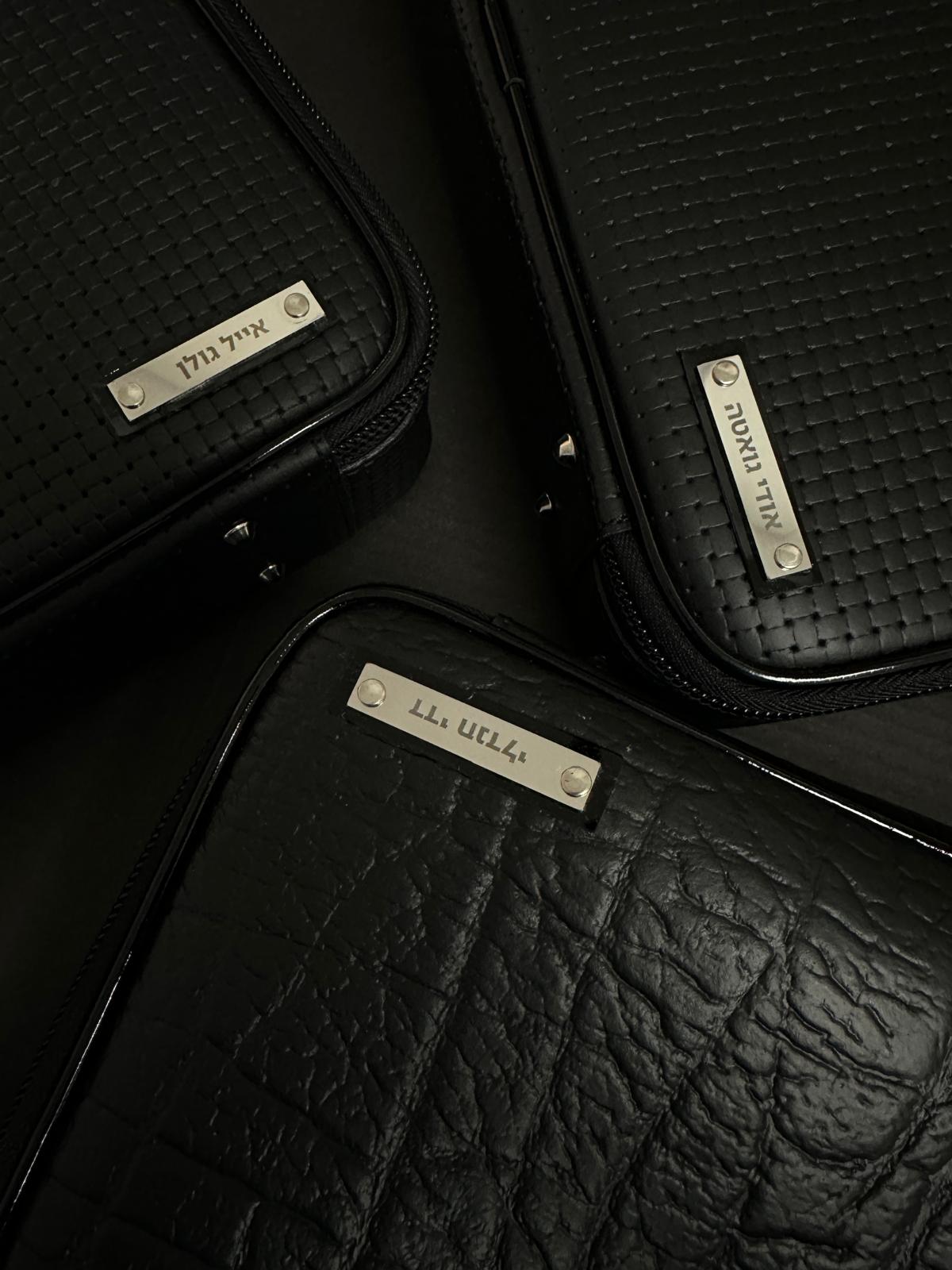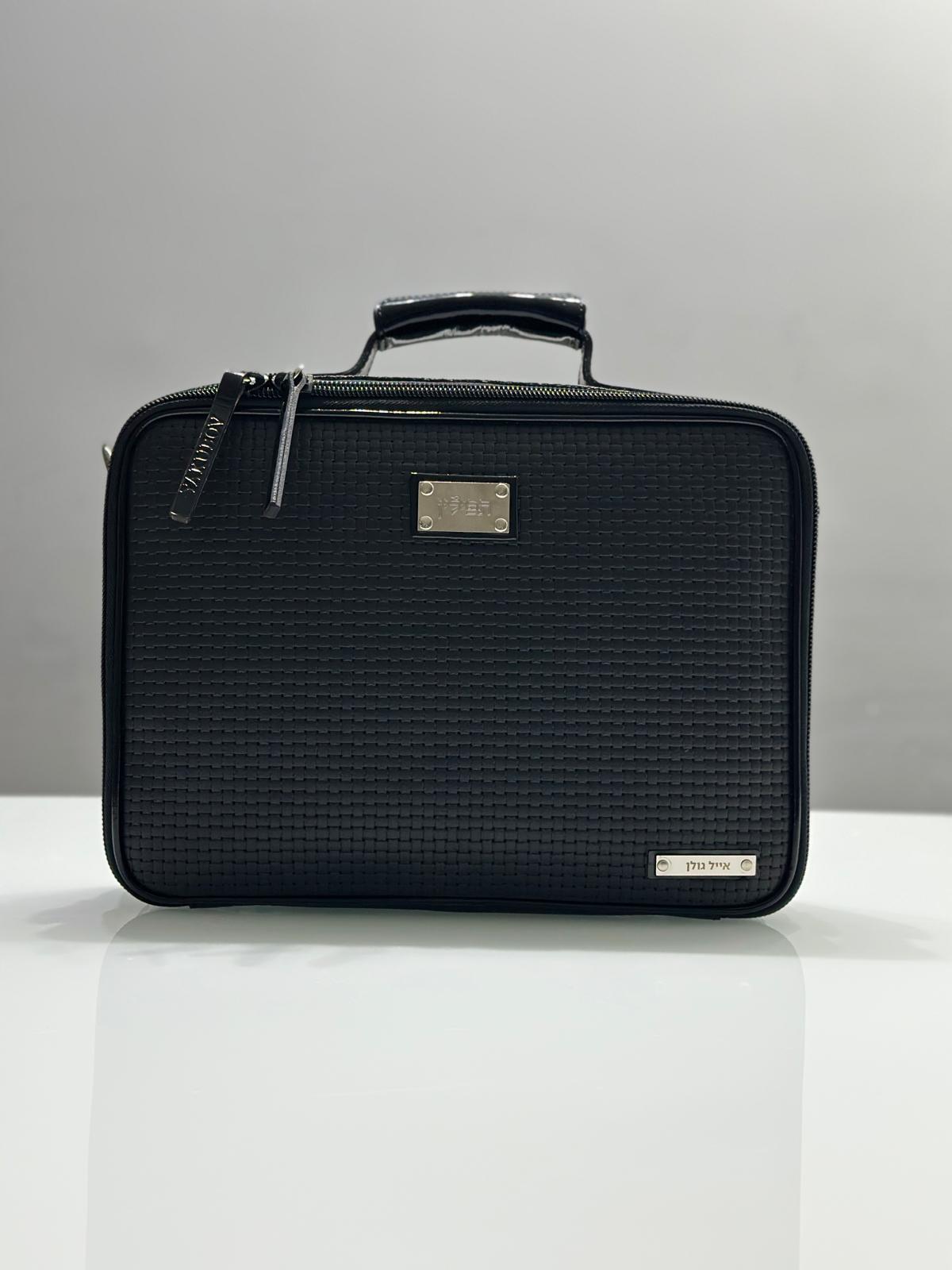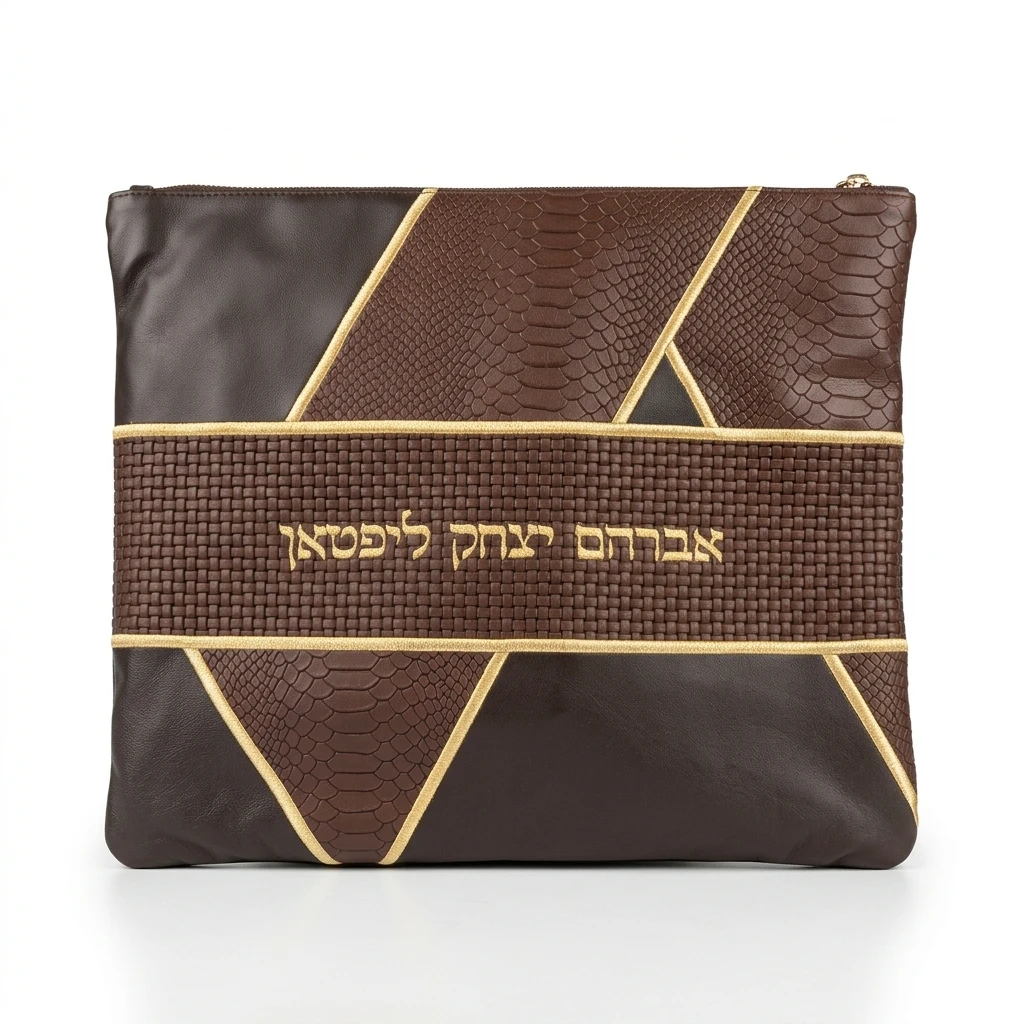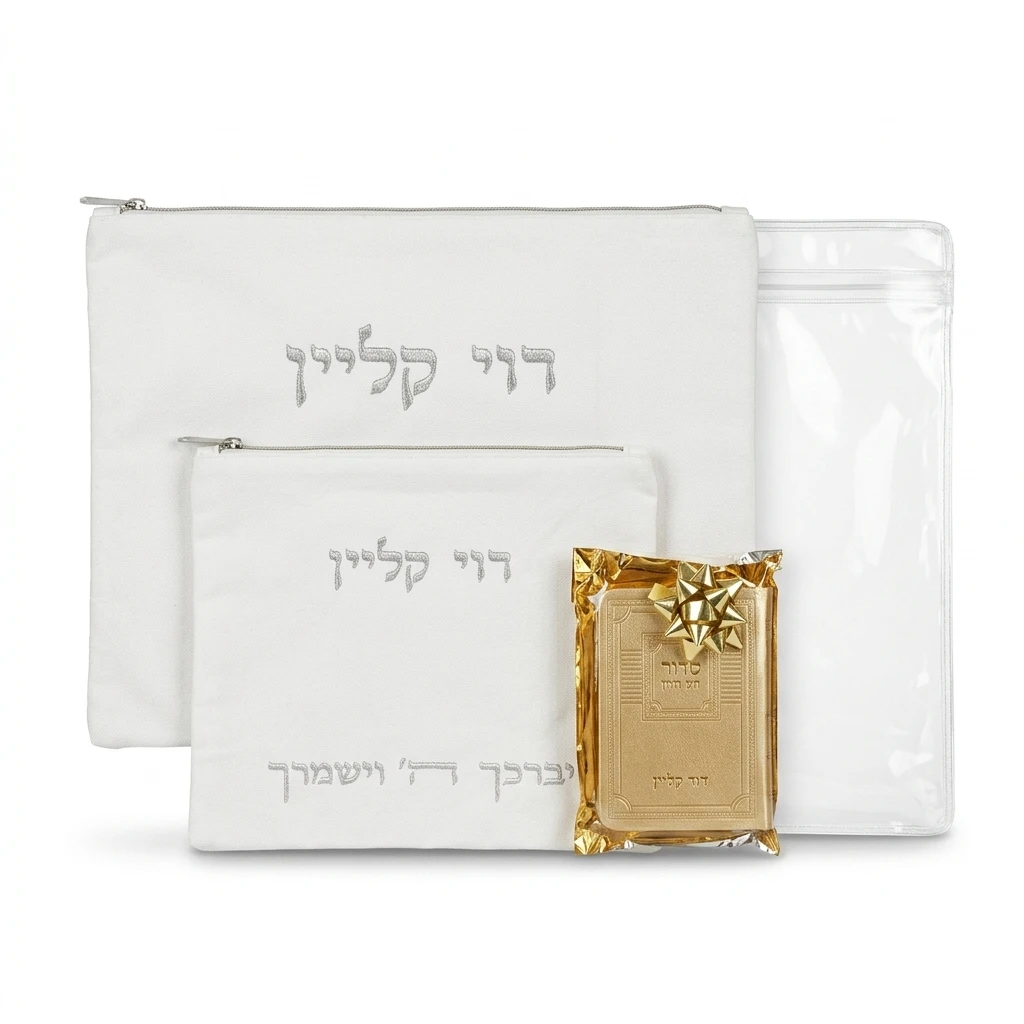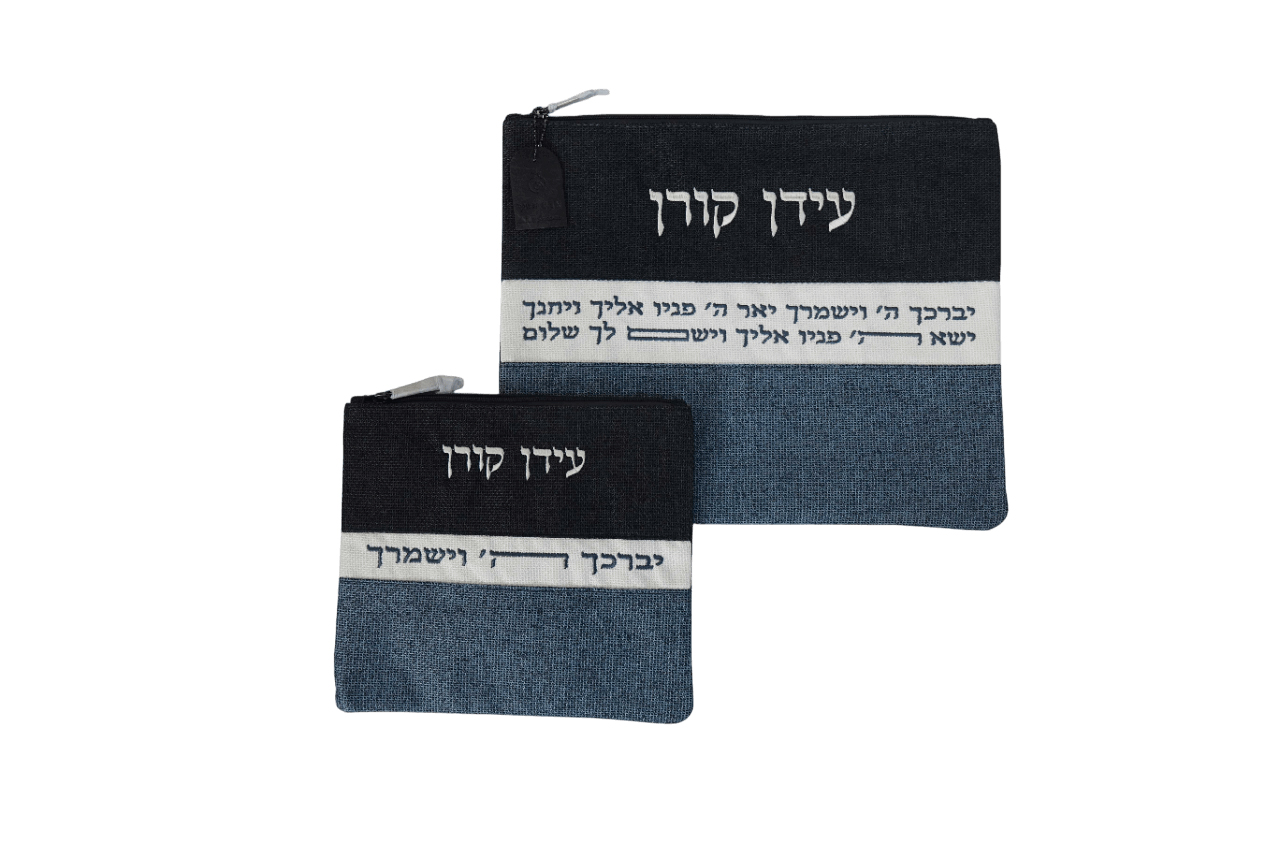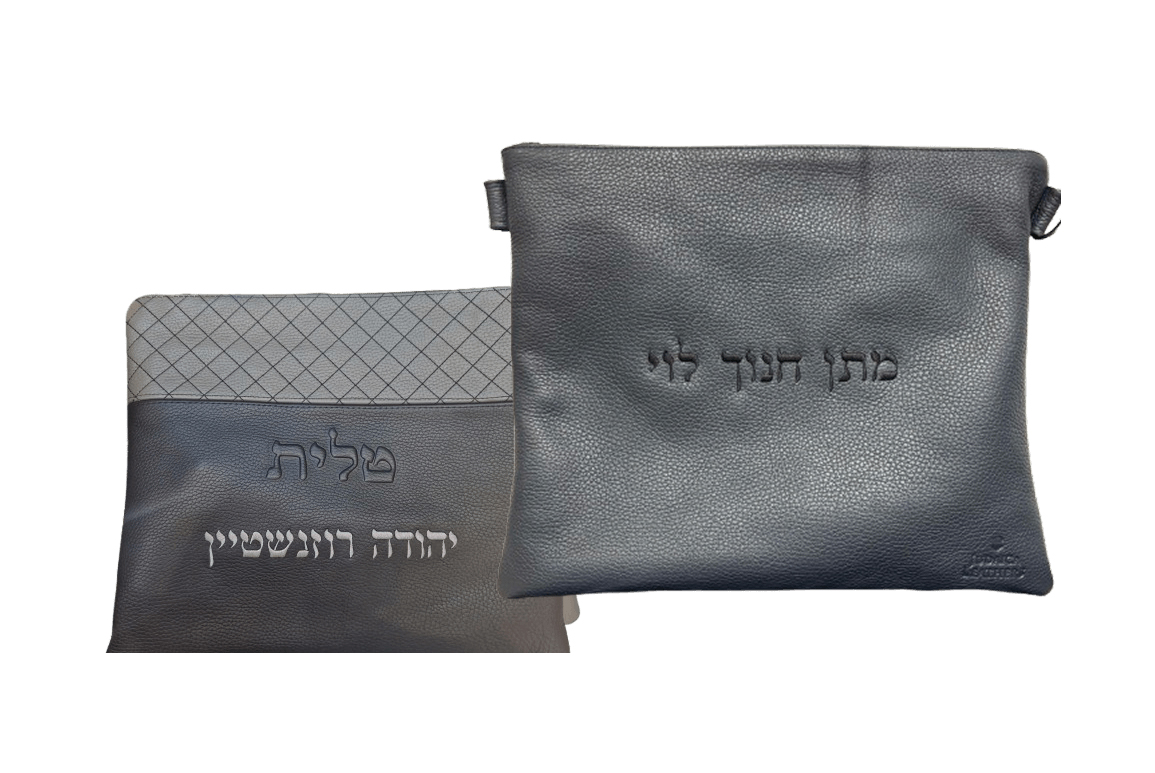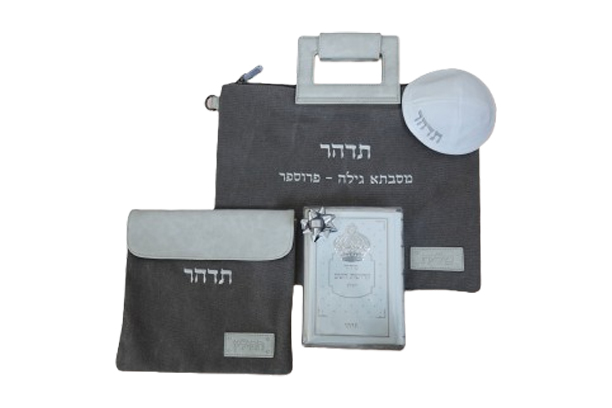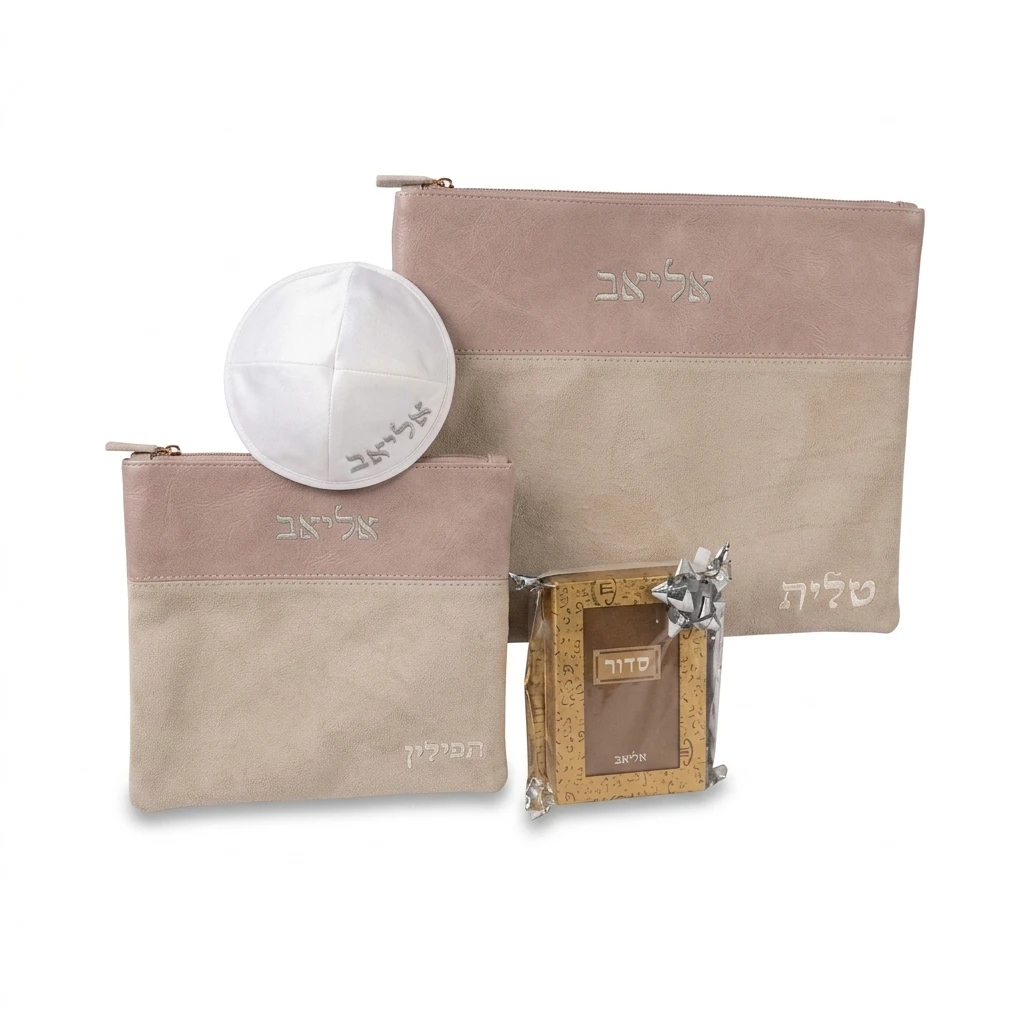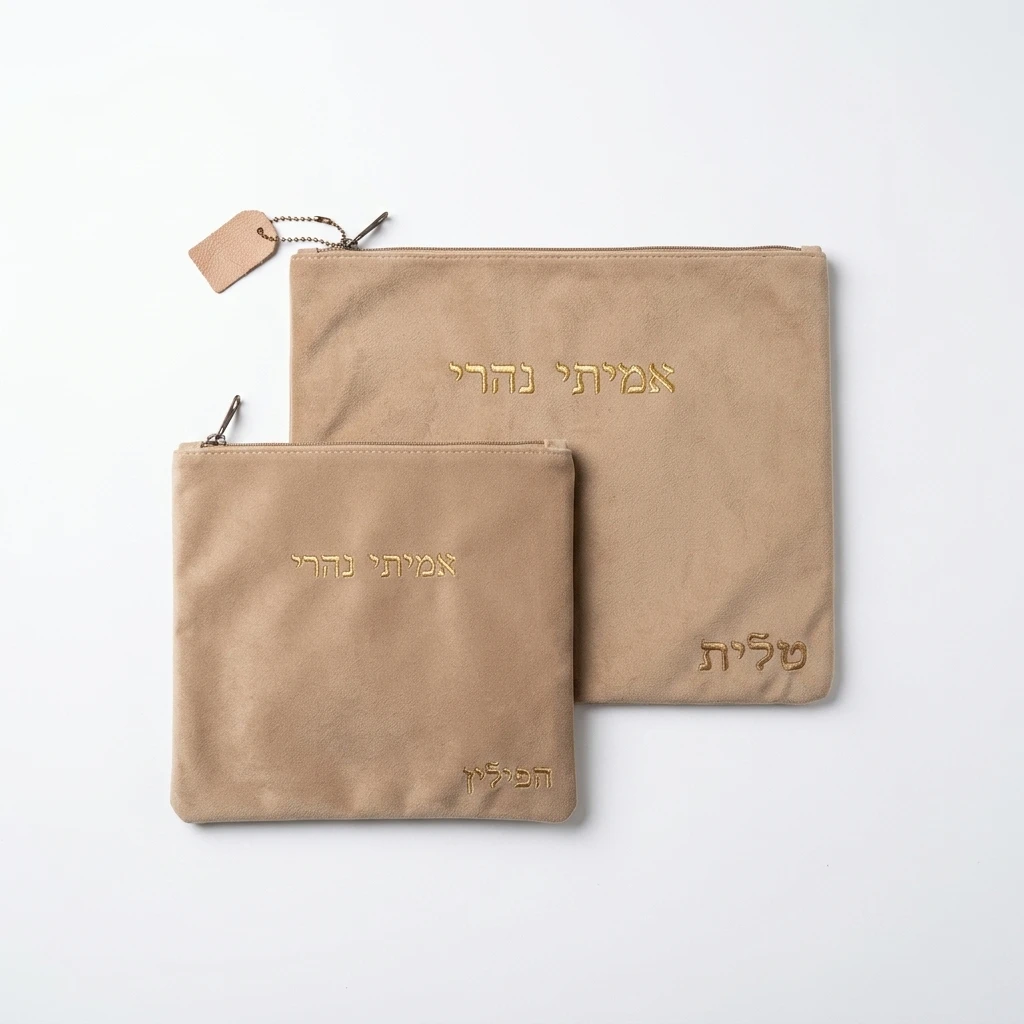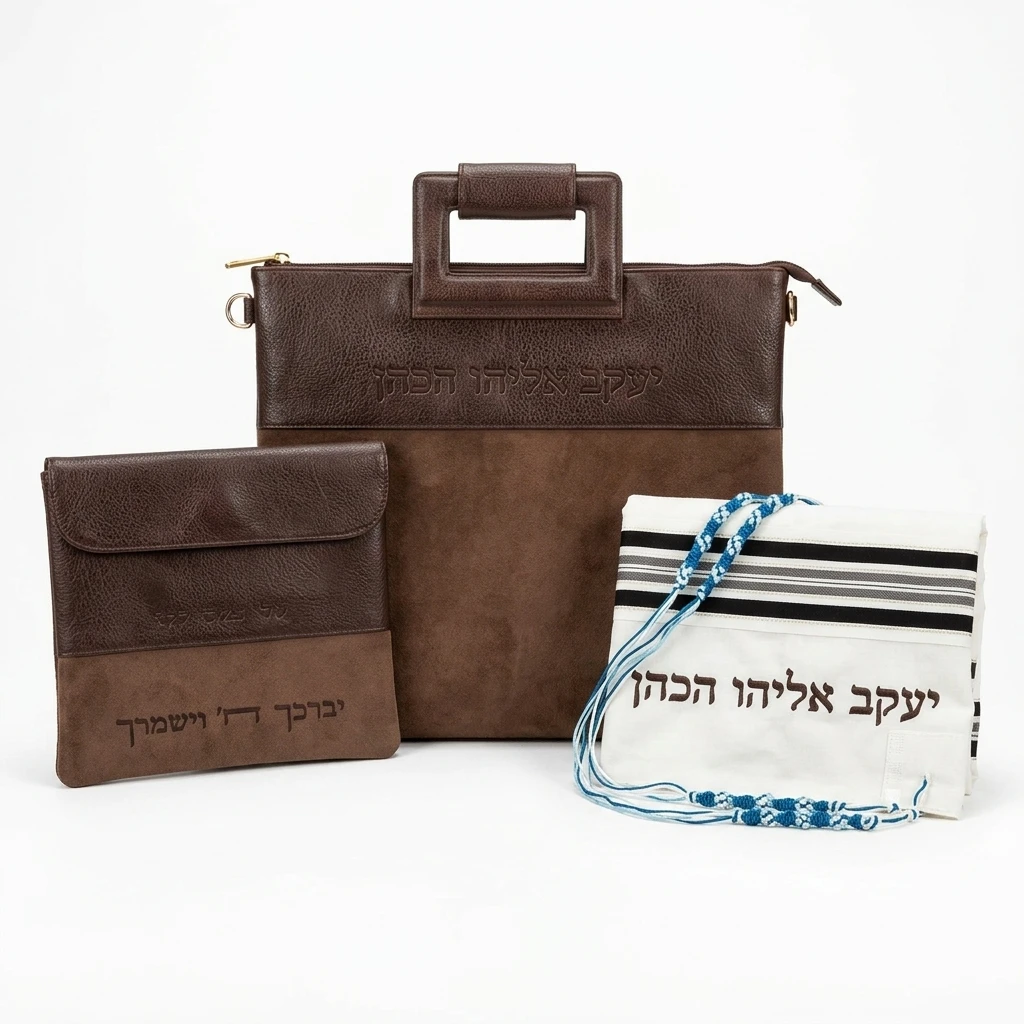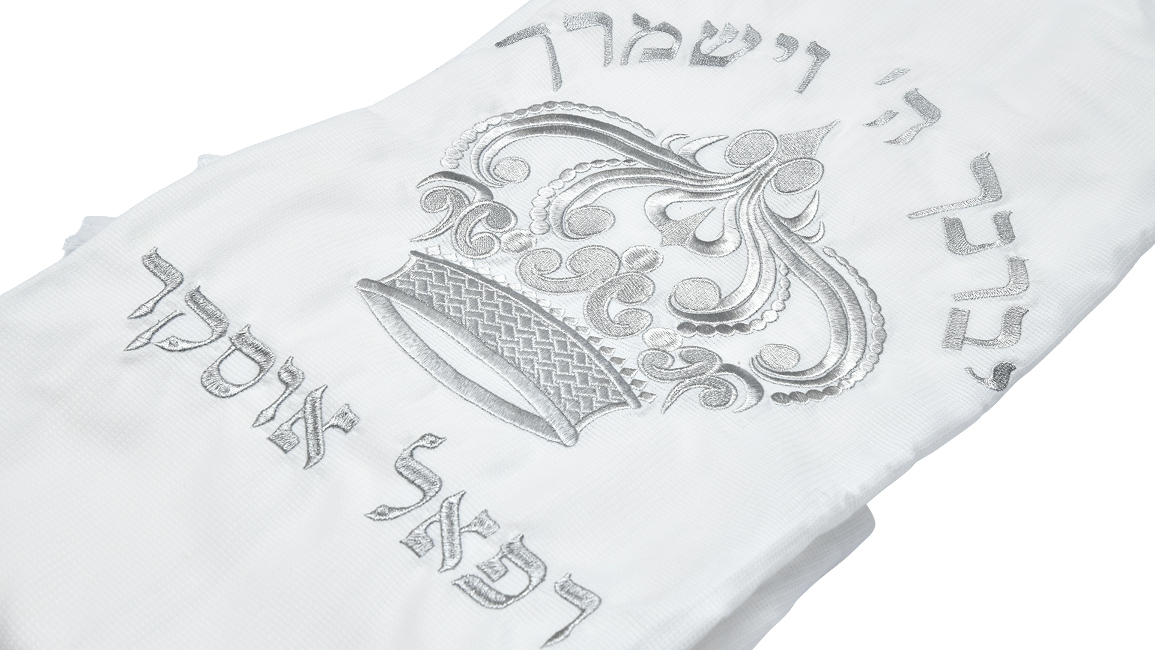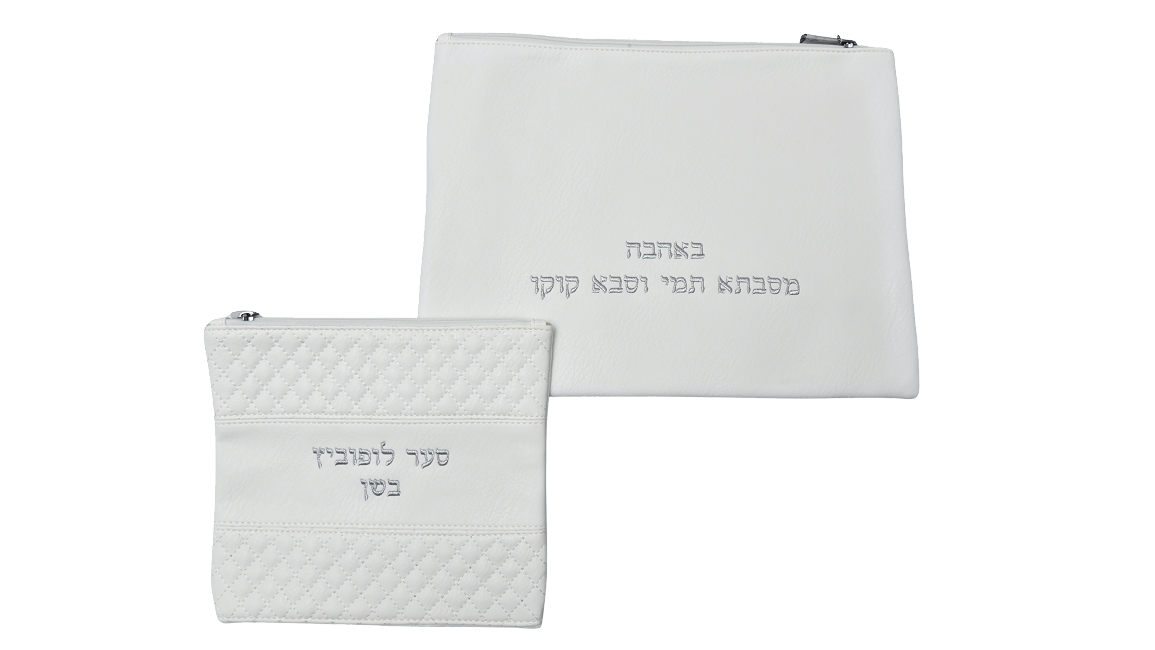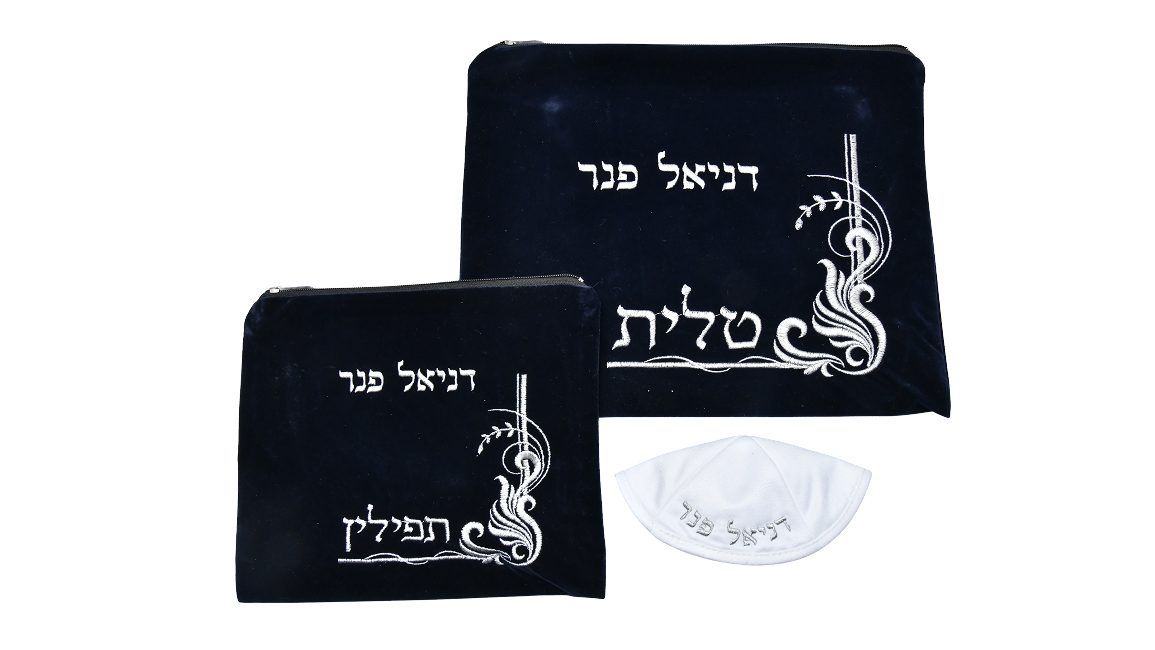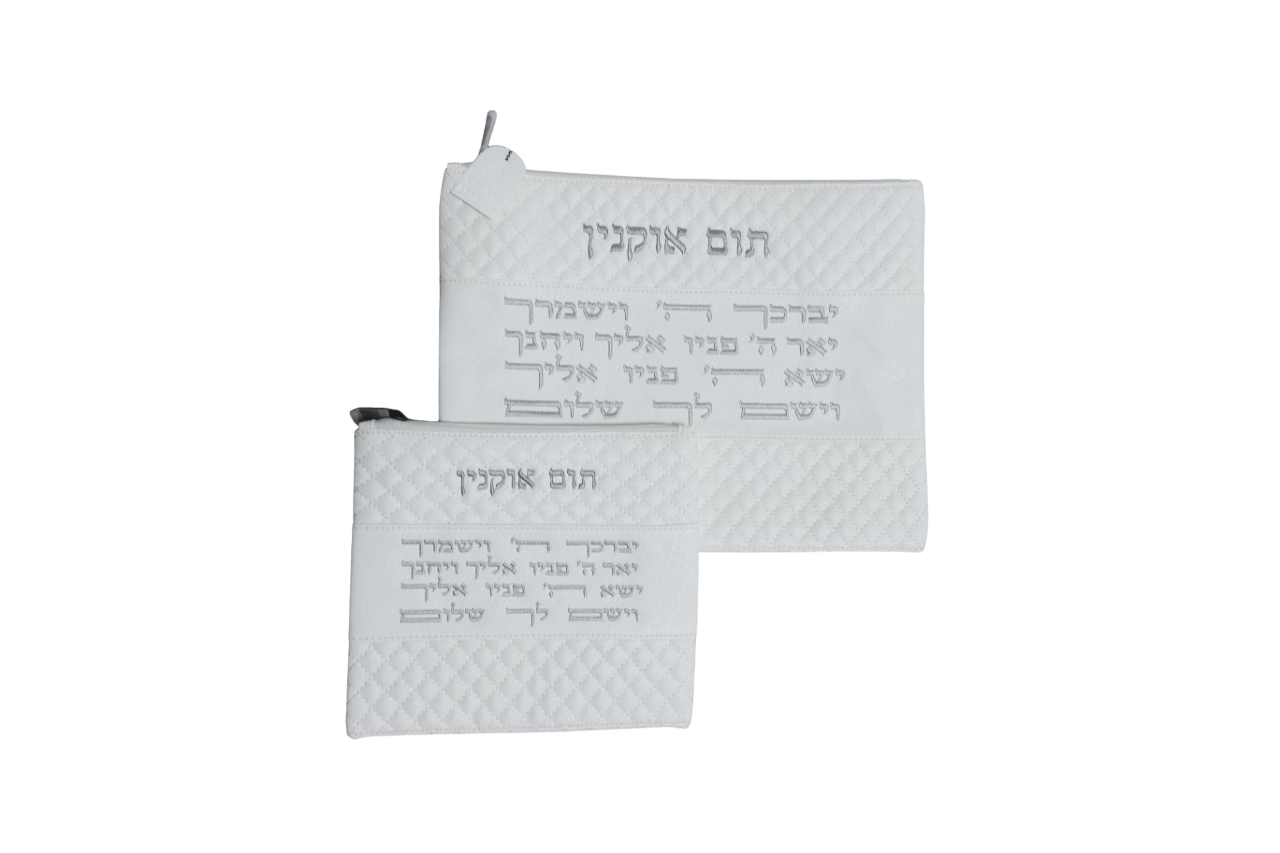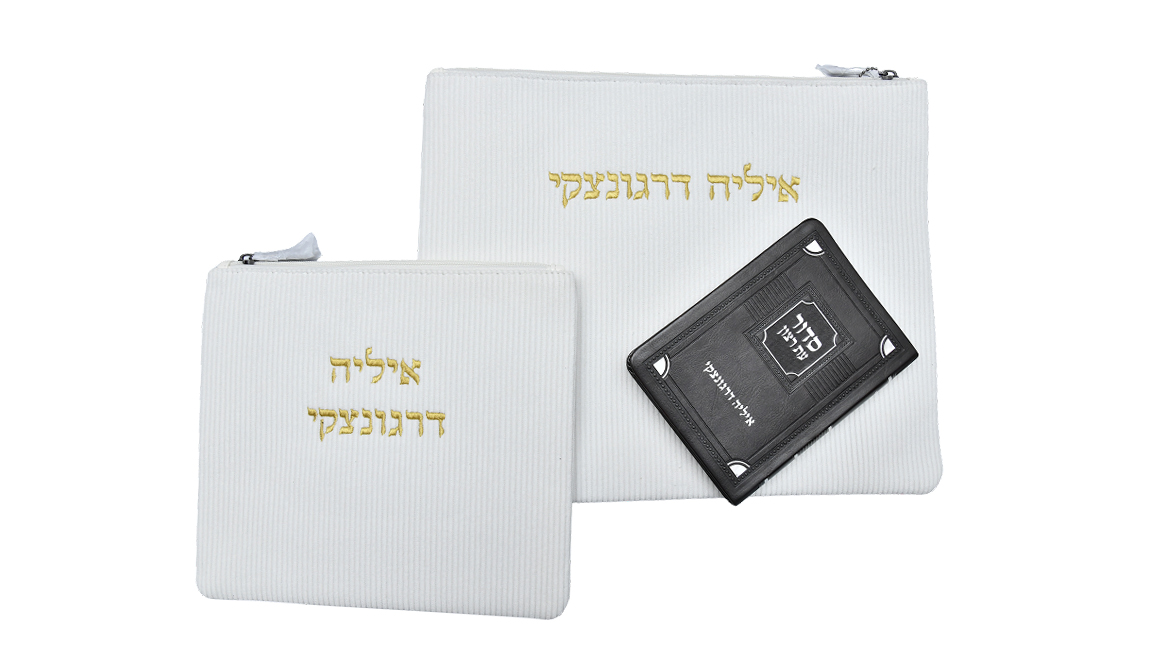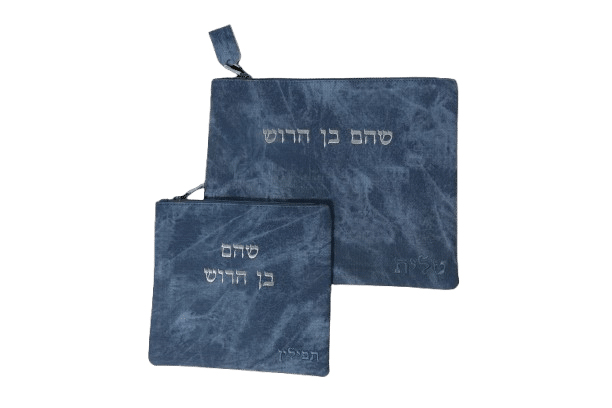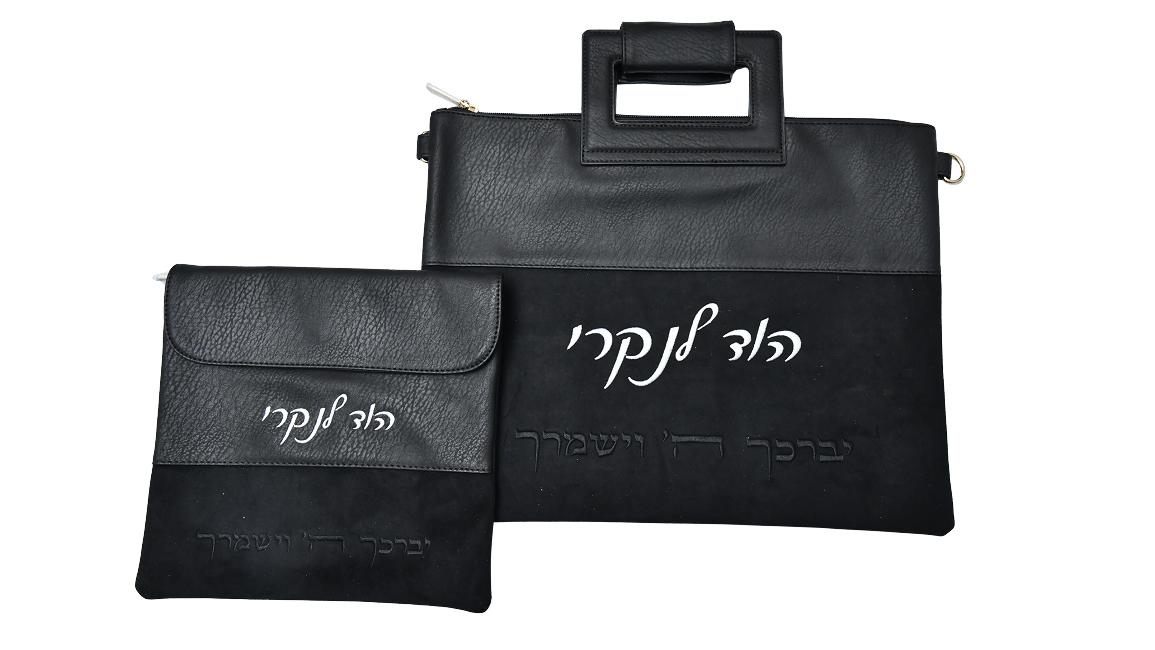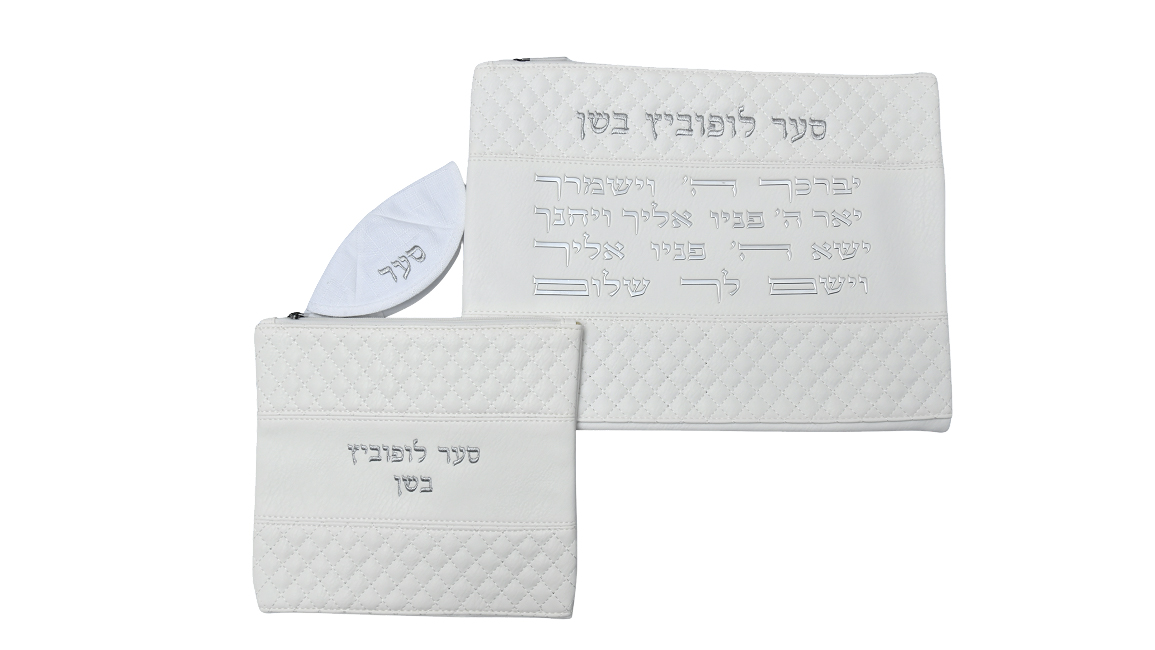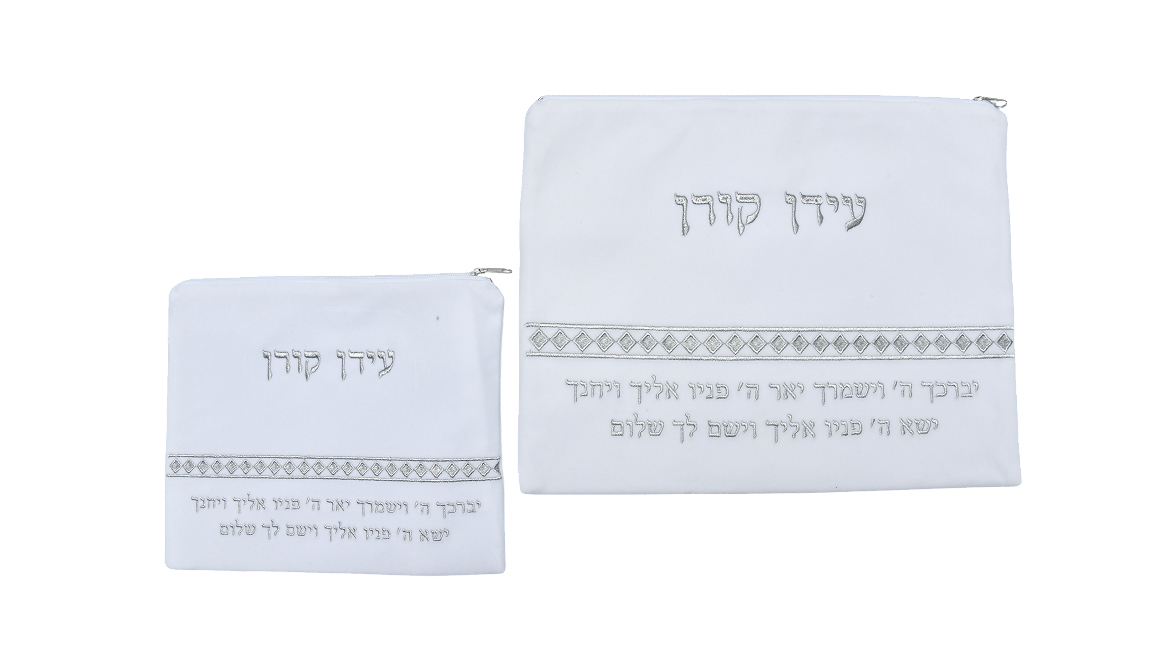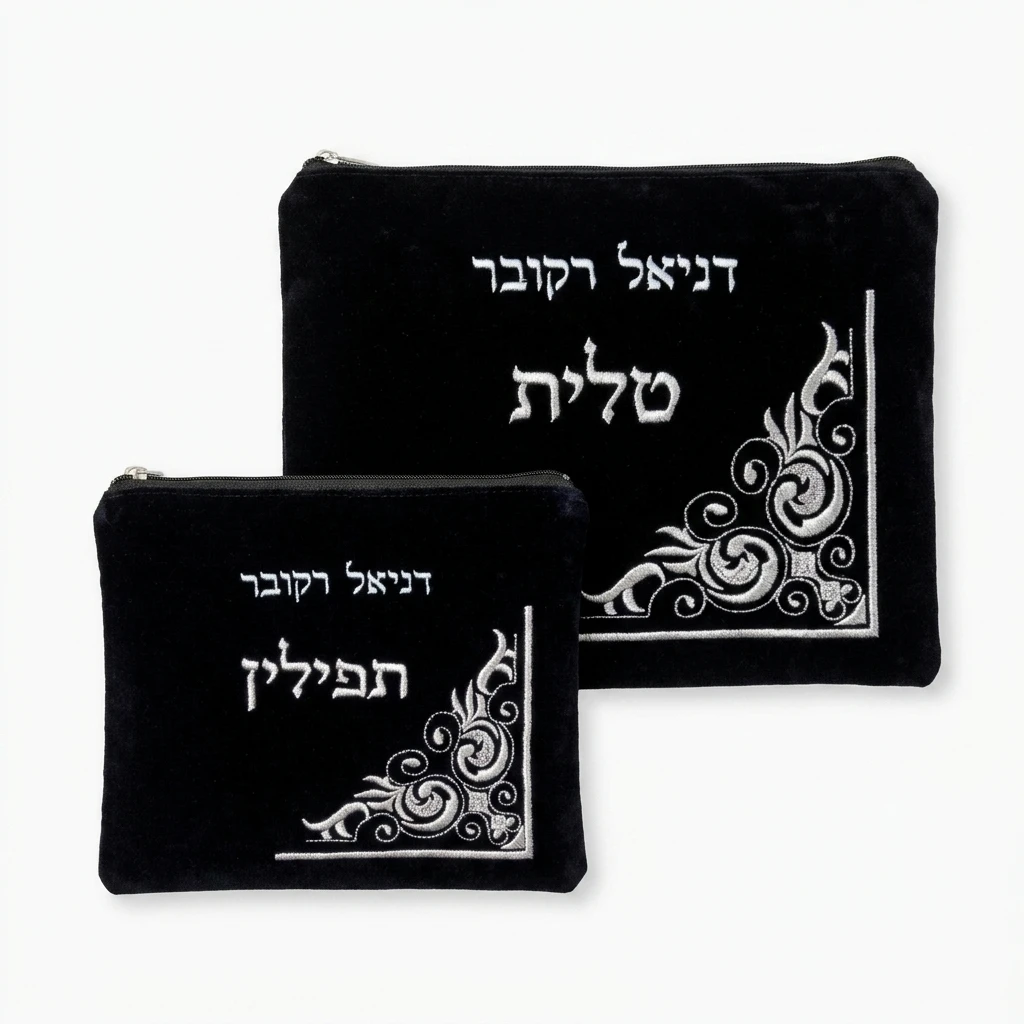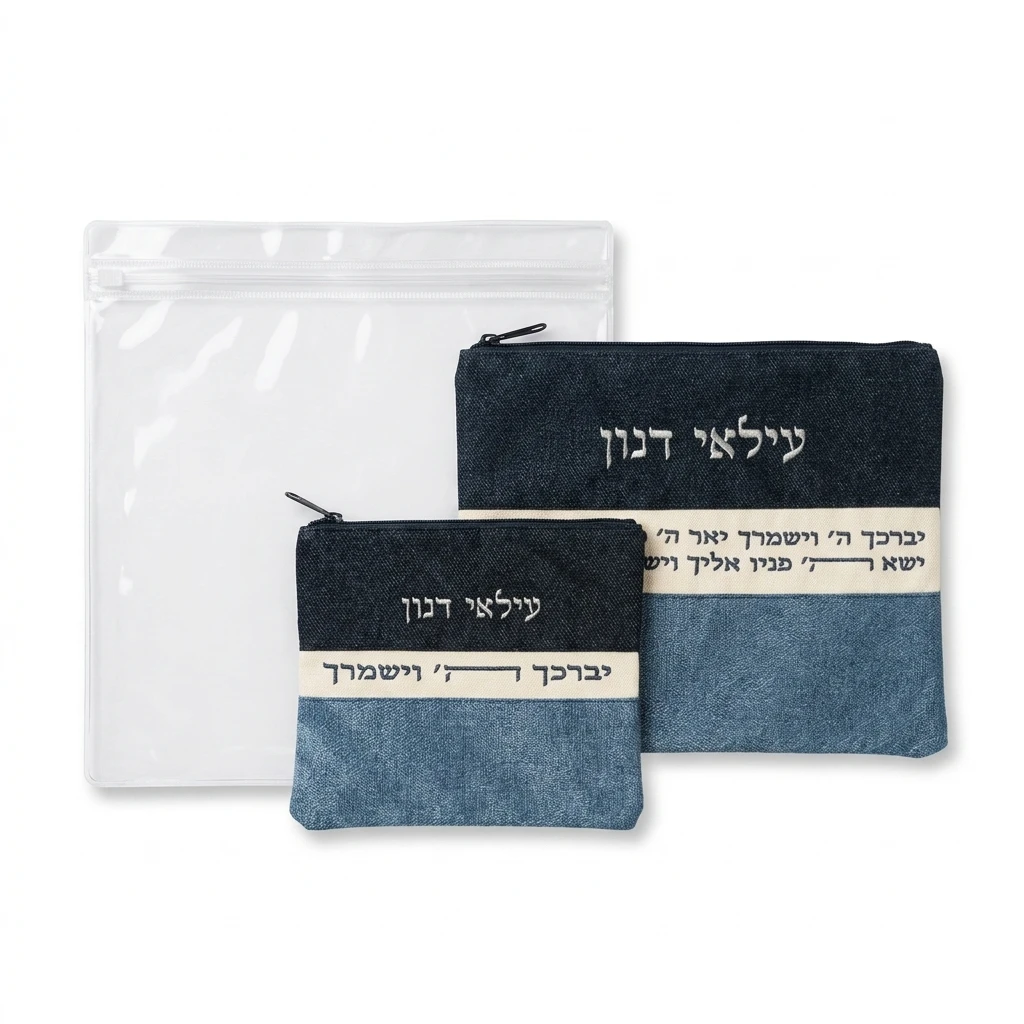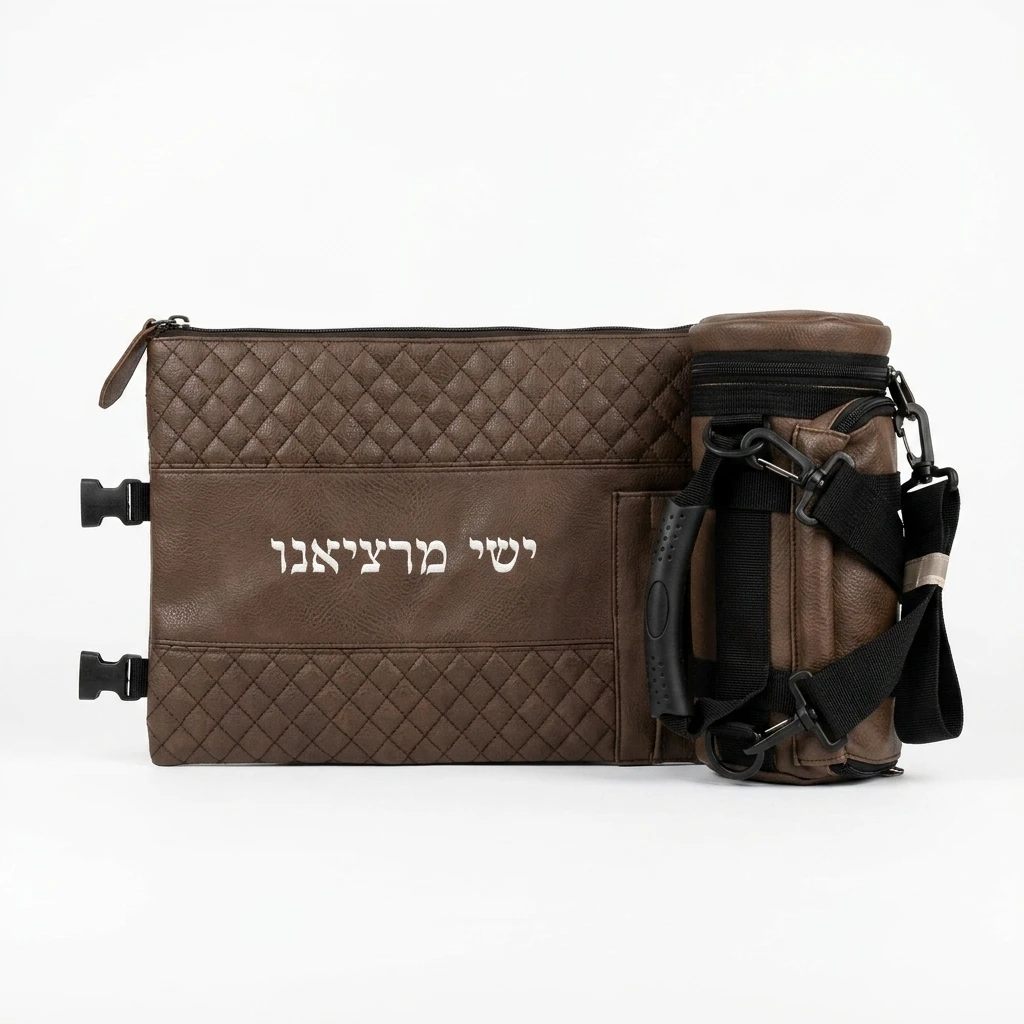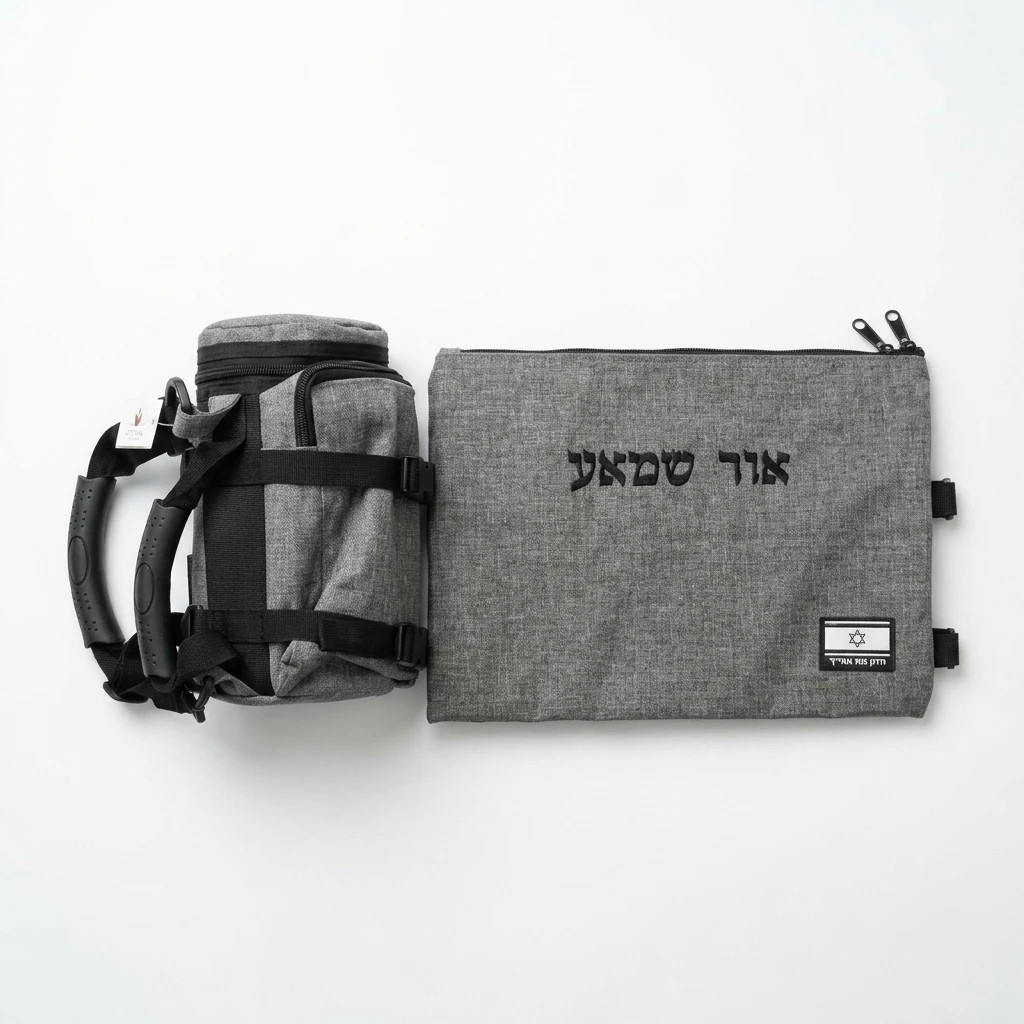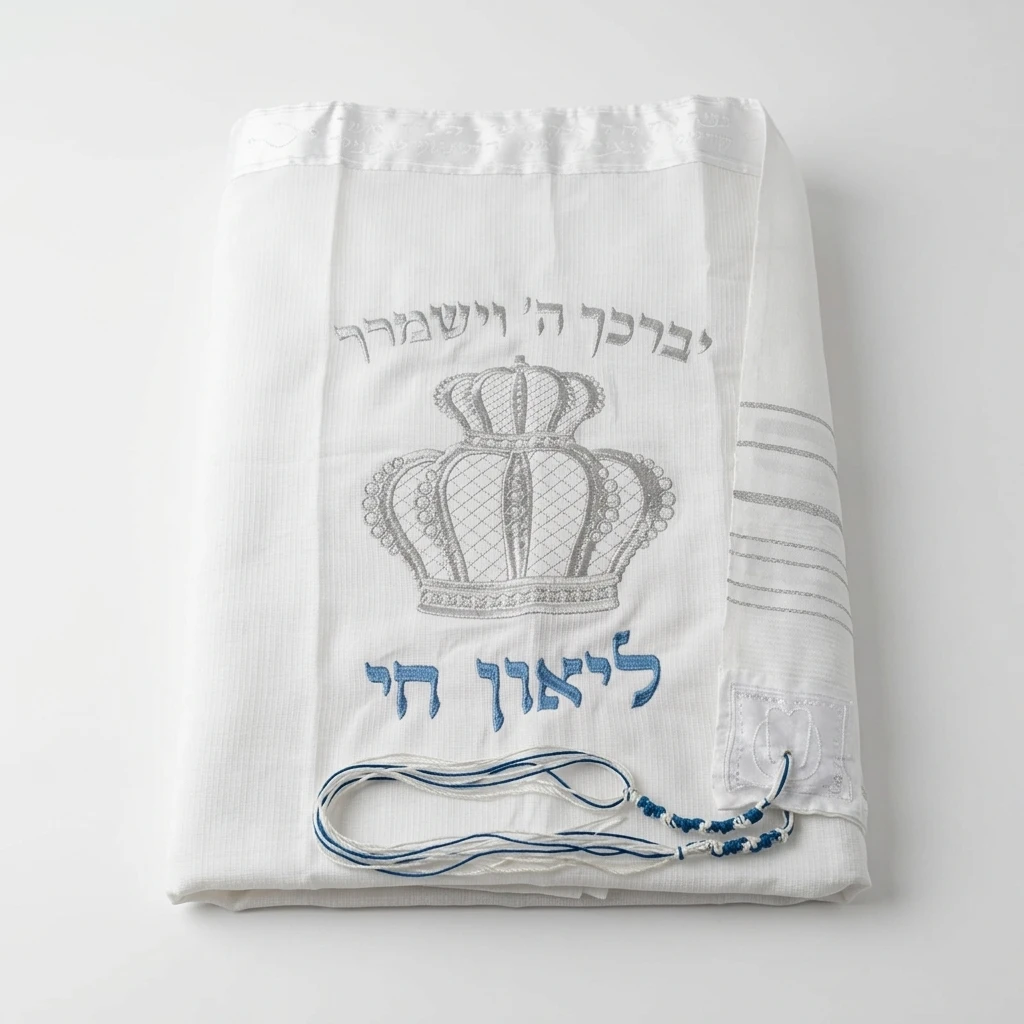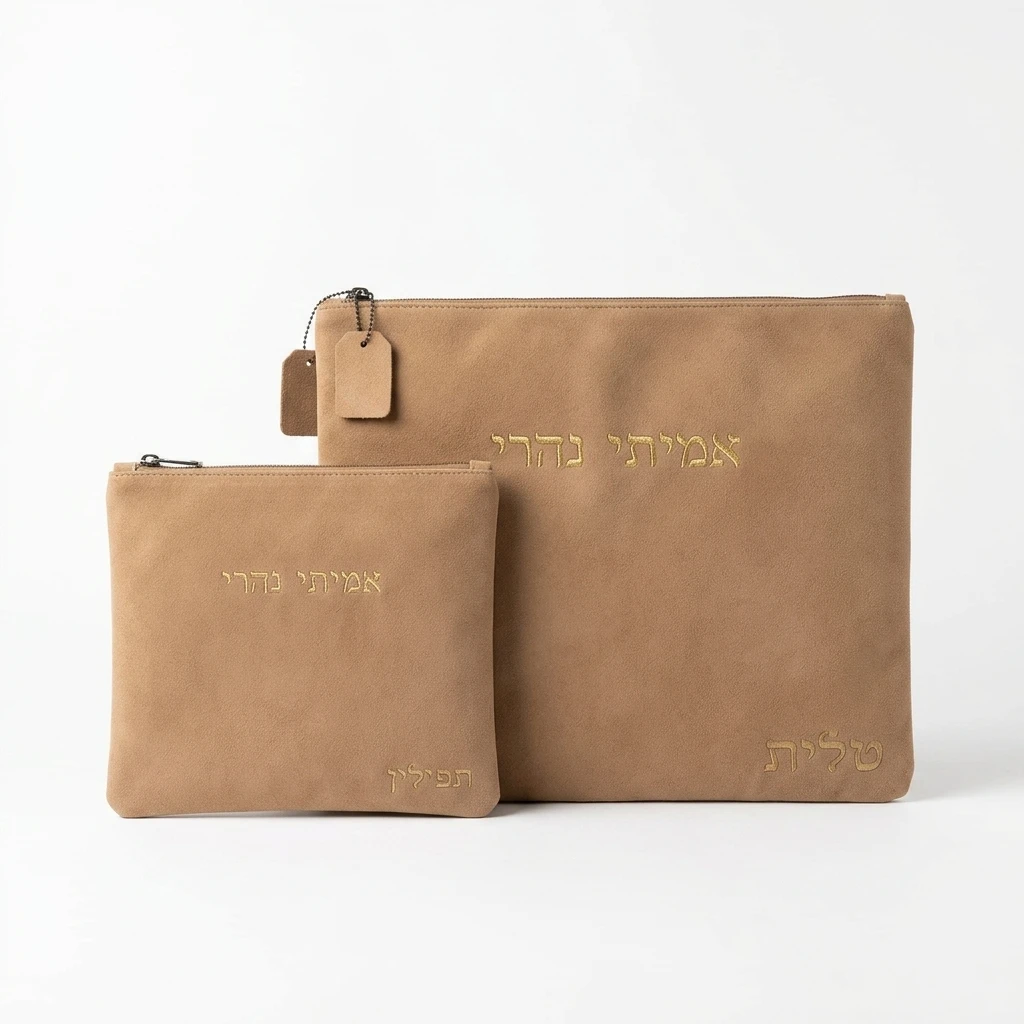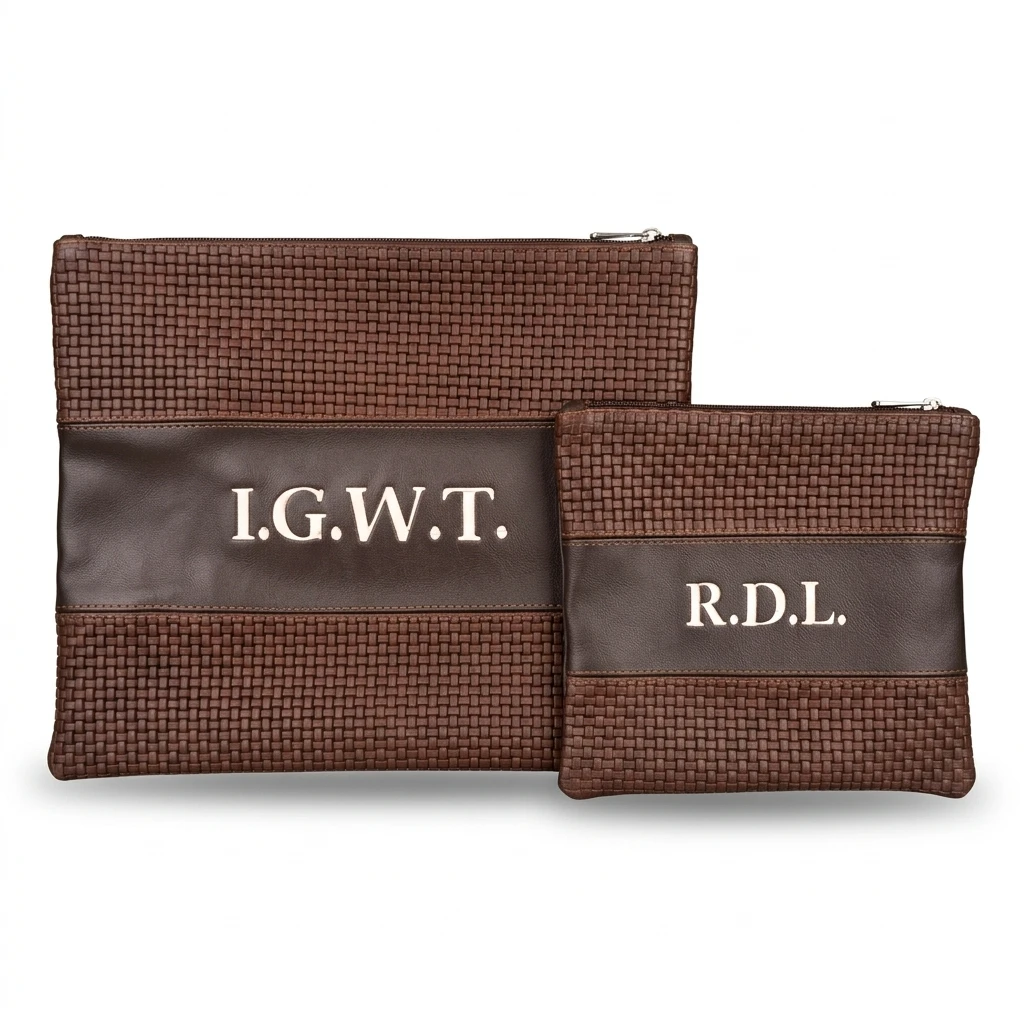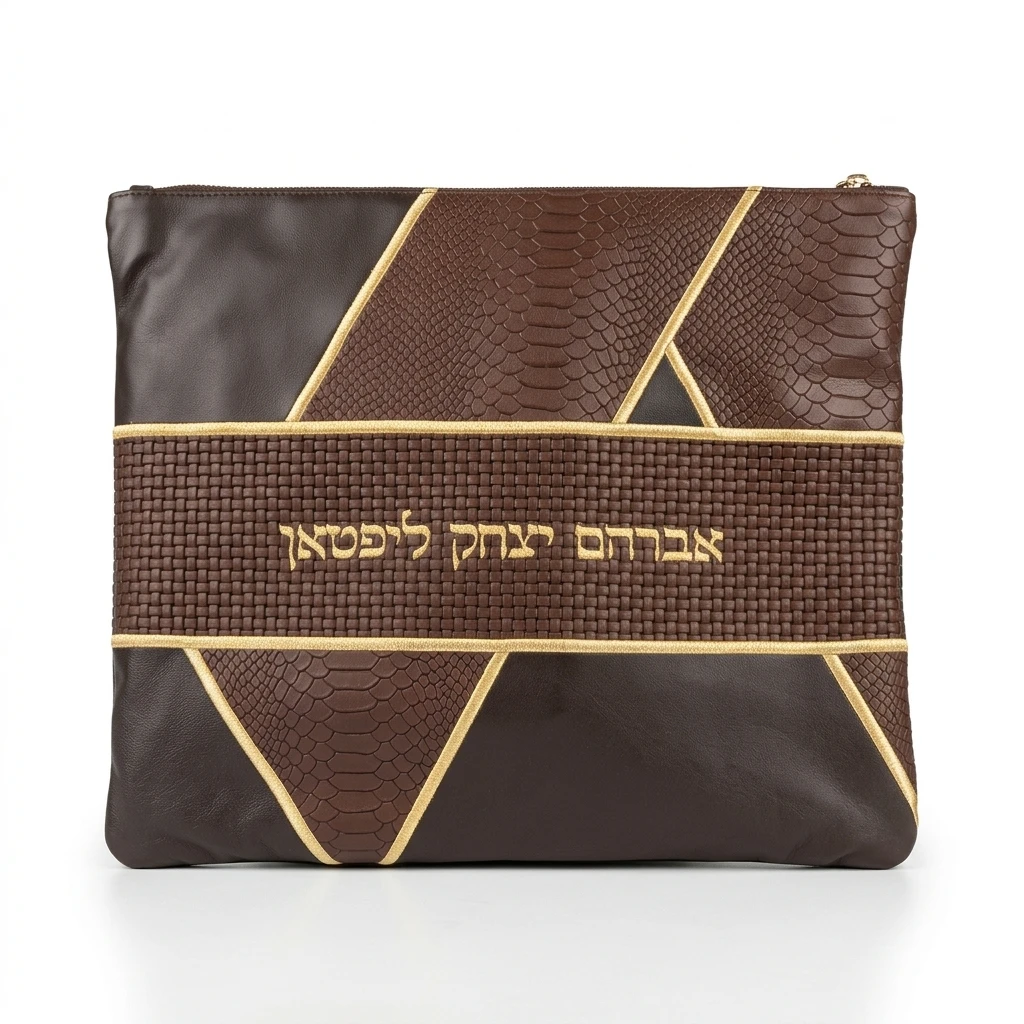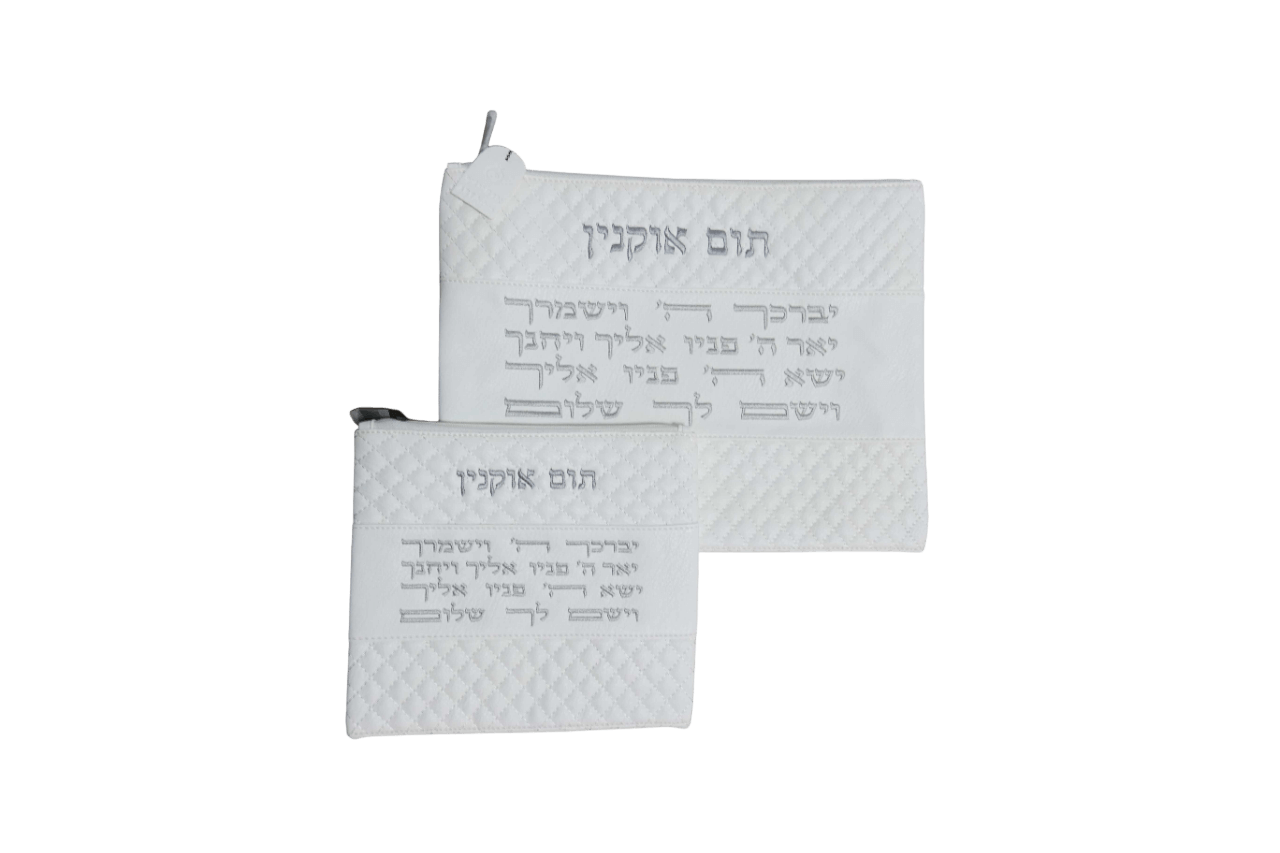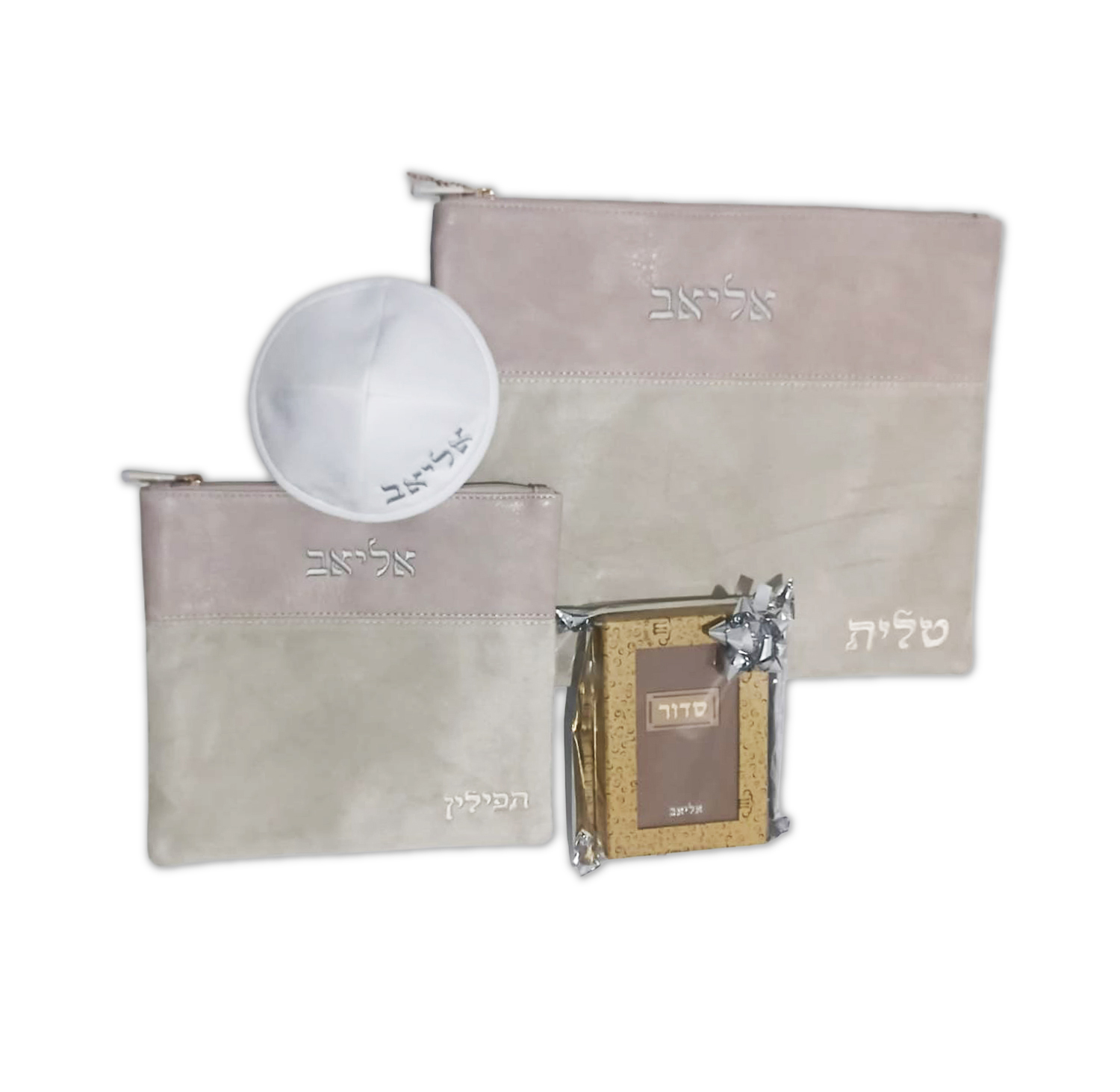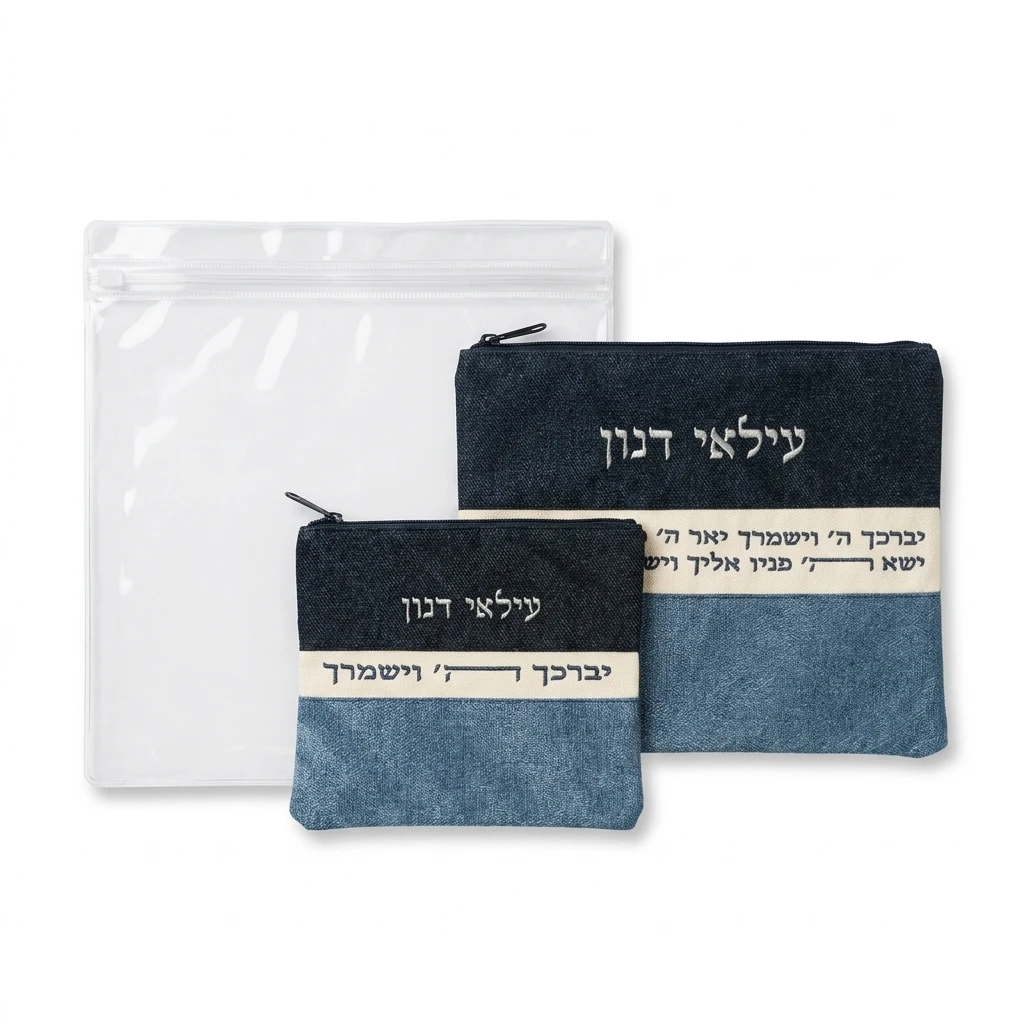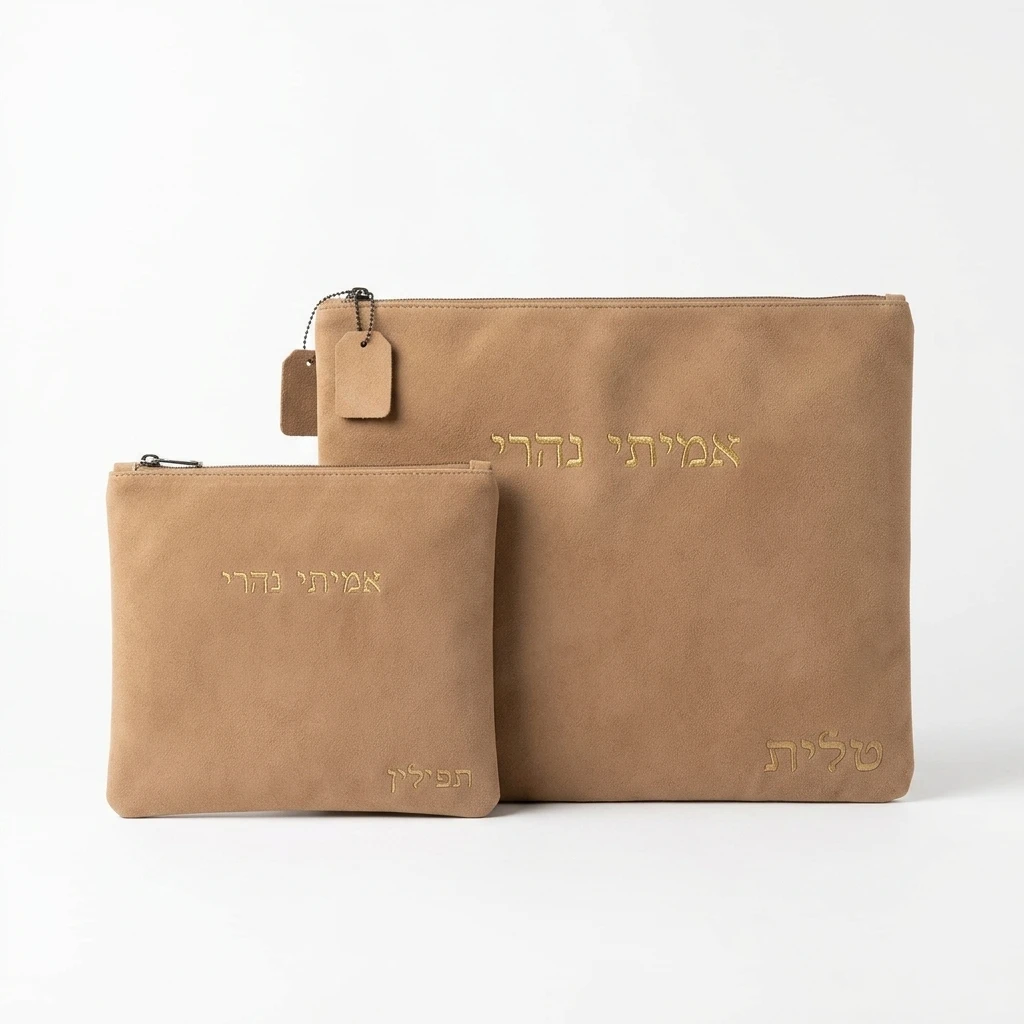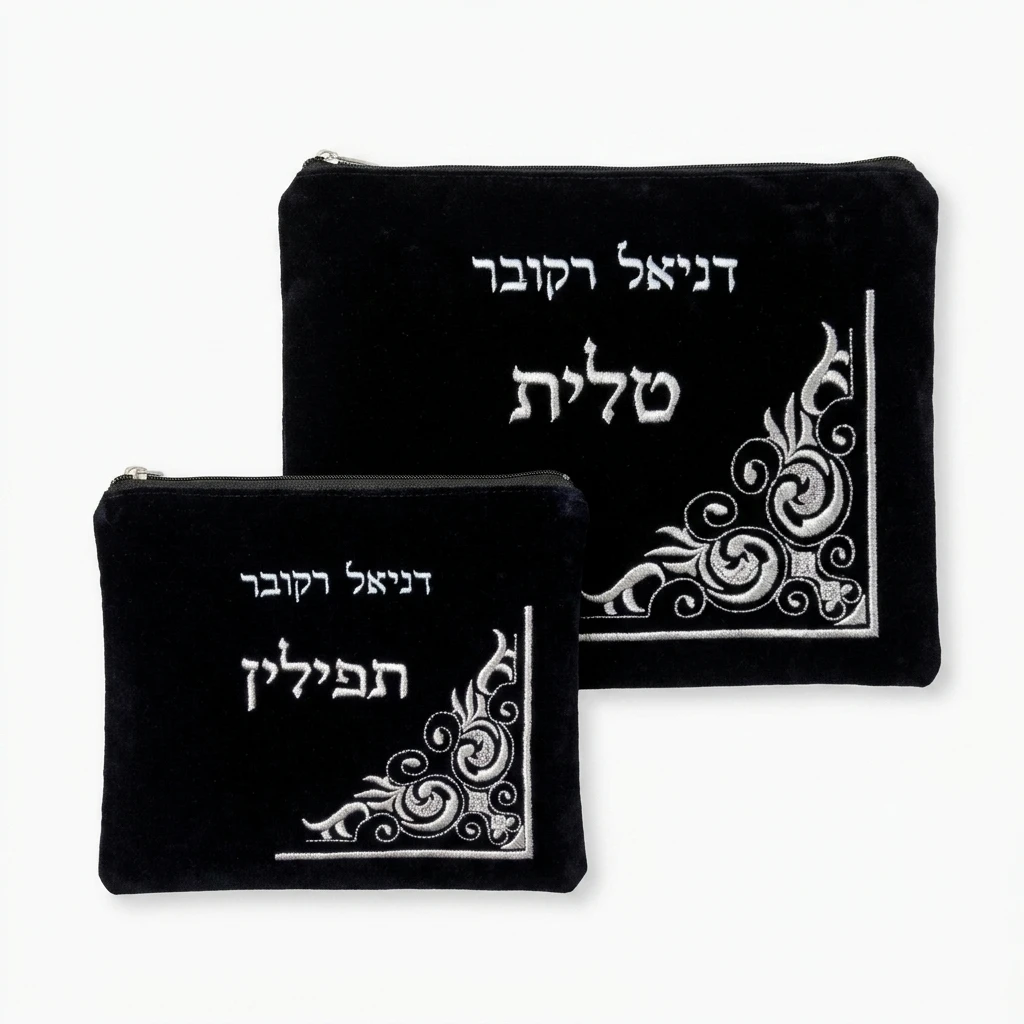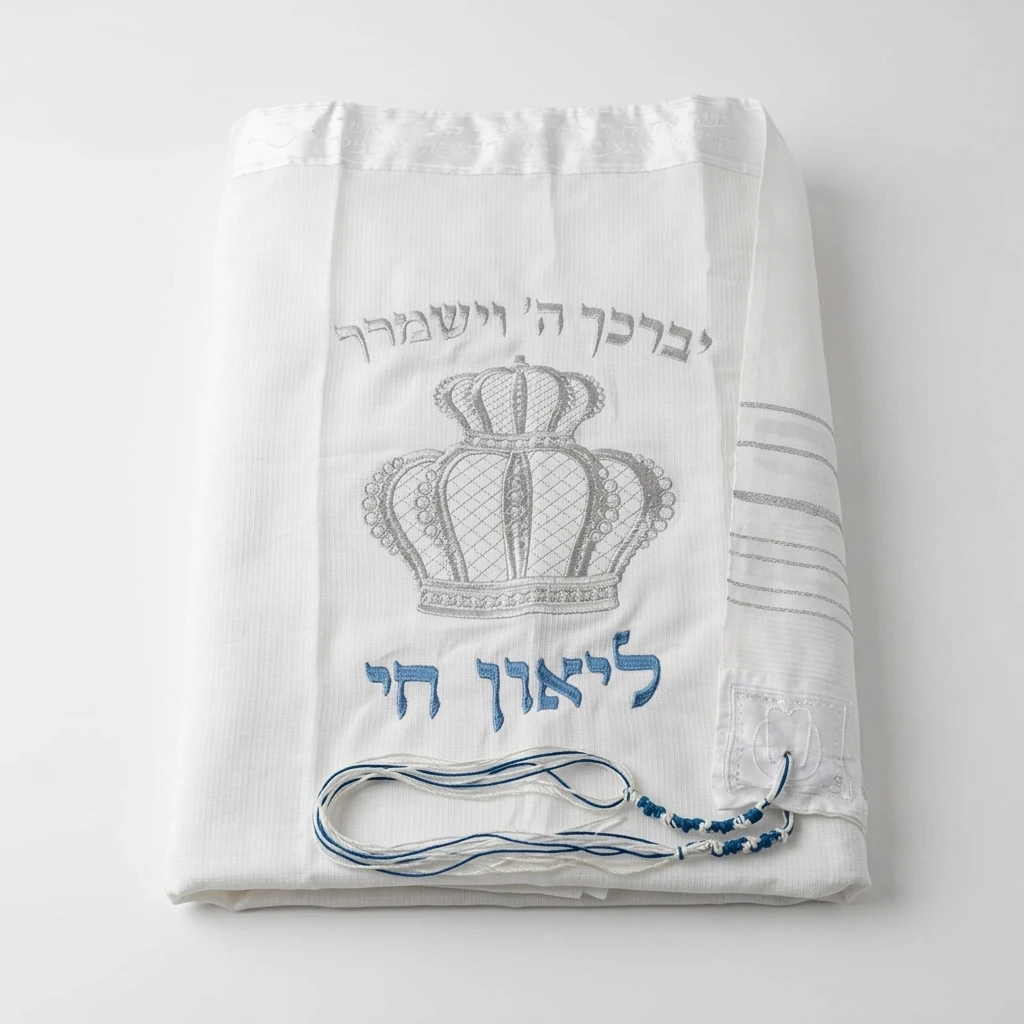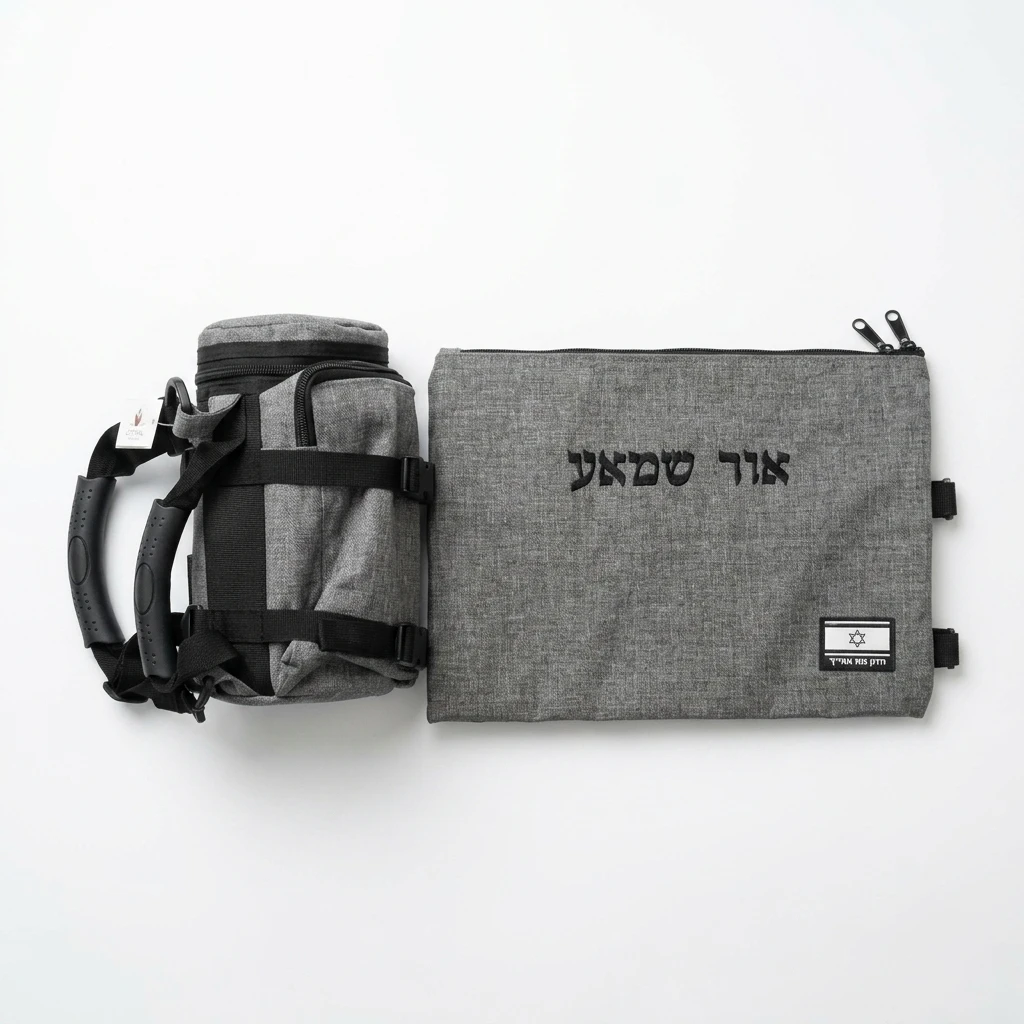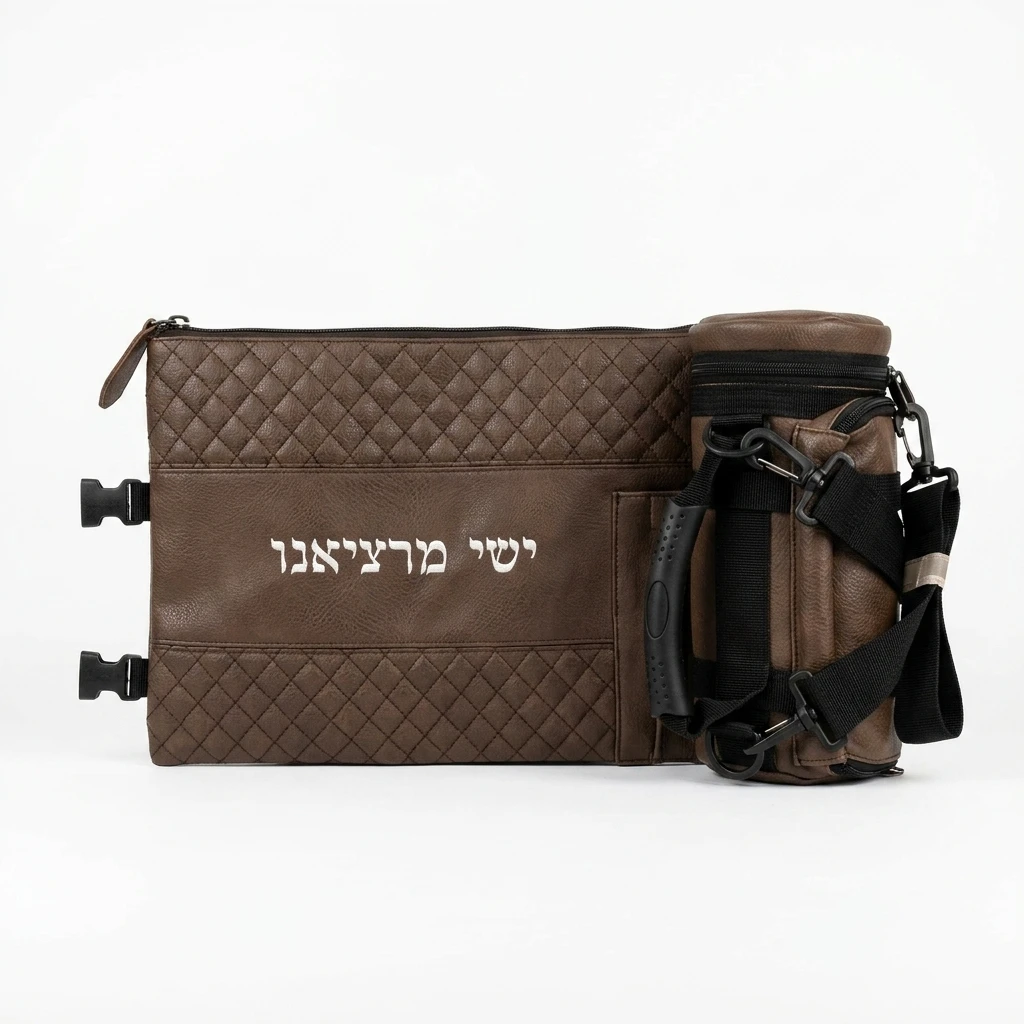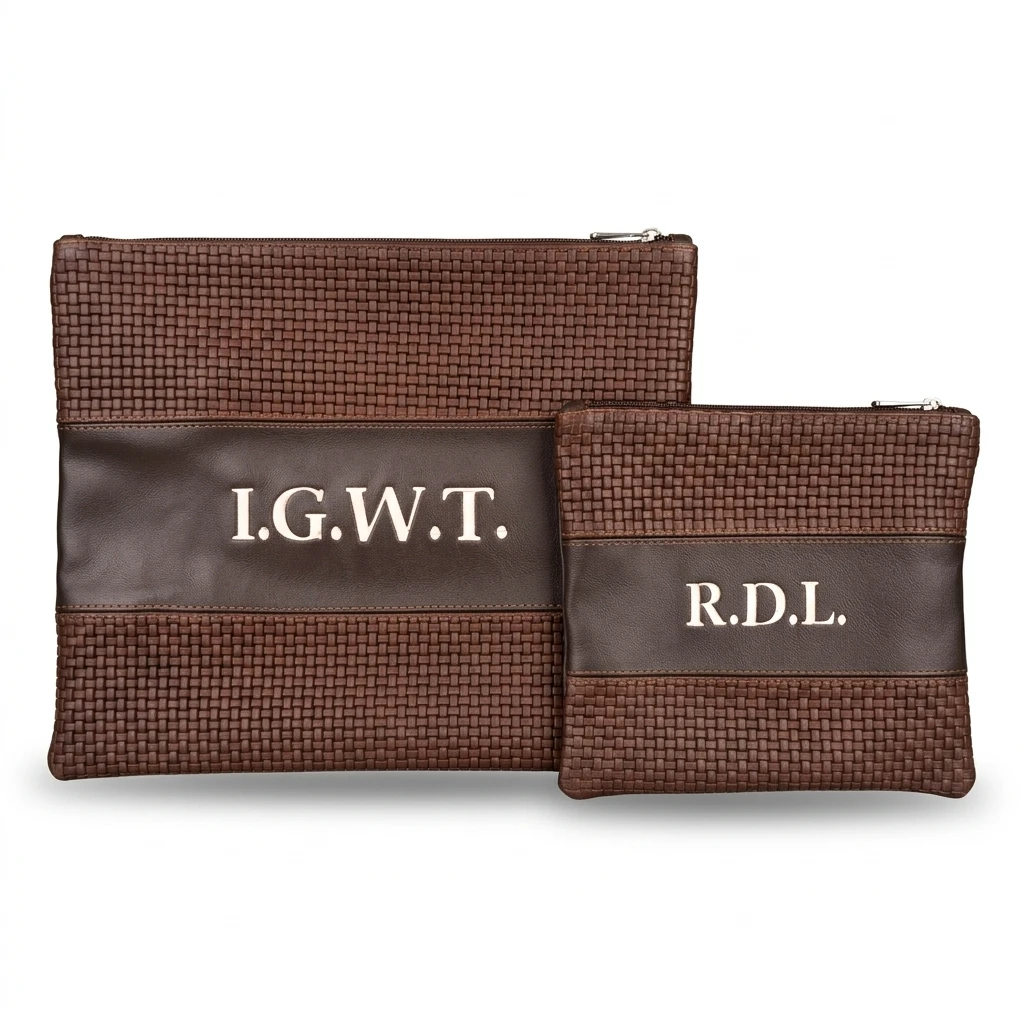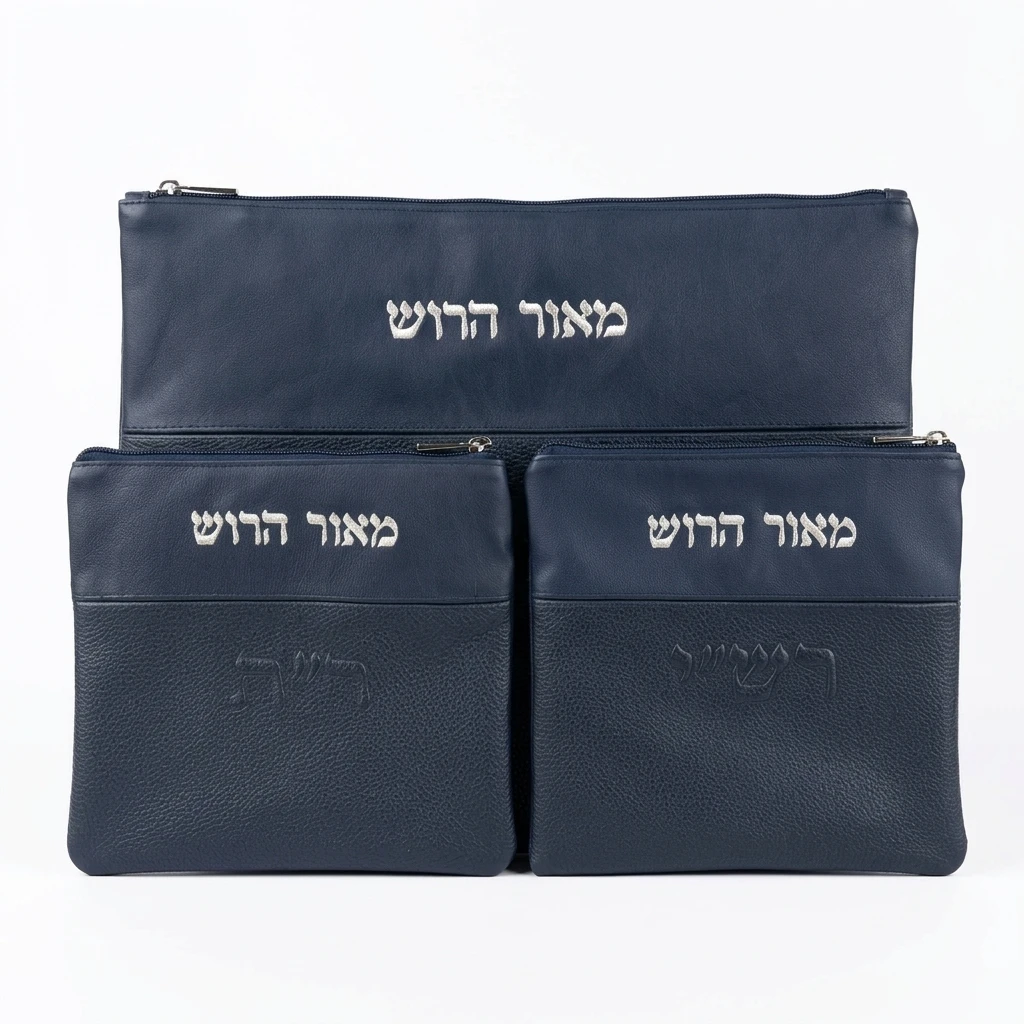
There is a special moment when the Jewish heart expands. It happens when we stand in front of a Judaica showcase or look at a glittering catalog. The eyes are drawn to the golden embossments, the deep blue velvet, the pure silver shining nobly. The soul desires the best for the Creator. After all, it is written “It is my God and I will glorify Him” – the passion to beautify a mitzvah, to adorn it, to make it the jewel in the crown.
But then, the gaze drops a little lower, to the price tag. And the heart, which had expanded before, contracts slightly. The financial reality, the mortgage, the ongoing expenses – all these sometimes stand as a formidable barrier between us and the dream of dignified tefillin or a prestigious silver menorah.
Are we condemned to choose between the pocketbook and the heart? Is beautifying a mitzvah only for the wealthy? In this article, we will shatter an ancient myth and embark on a consumer-spiritual journey, discovering how it is possible to fulfill mitzvot with beauty, dignity, and love, without breaking savings plans. We will learn where the red line is that must not be crossed, where it is possible to save wisely, and how to turn a limited budget into a real advantage.
What really is “hidur mitzvah”? (Not what you thought)
Before we talk about shekels and agorot, let’s go back to the sources. The Sages taught us to add up to a third to a mitzvah to beautify it. But true hidur is not only measured by the weight of the money or the thickness of the gold. Hidur mitzvah is first and foremost Kashrut.
Mezuzah Inside a case made of pure gold, where the parchment inside is invalid or carelessly written – it is worth nothing. On the other hand, a mezuzah inside a simple plastic case, containing a parchment meticulously written by a God-fearing scribe – is the embodiment of the commandment’s beautification. Indeed, there is also a point to purchasing a tasteful mezuzah case because of the mitzvah of “This is mine and I will glorify it.”
The guiding principle should be simple: holiness lies in the small details and intention, not necessarily in the high price.
Smart buying strategies: where to invest and where to save?
To balance between budget and holiness, you need to manage resources wisely. Here is a “roadmap” to cost-effective Judaica purchasing:
1. The inner before the outer (Tefillin and Mezuzot)
In the area of STaM (Torah scroll, Tefillin, Mezuzot), the iron rule is: invest in the parchment, save on the “case.”
- Where to save: A mezuzah case can be made of quality plastic, simple wood, or aluminum, and costs just a few shekels. It can still be designed and beautiful.
- Where to invest: The money you saved on the outer case should be invested in checking the parchment and selecting clear and beautiful script.
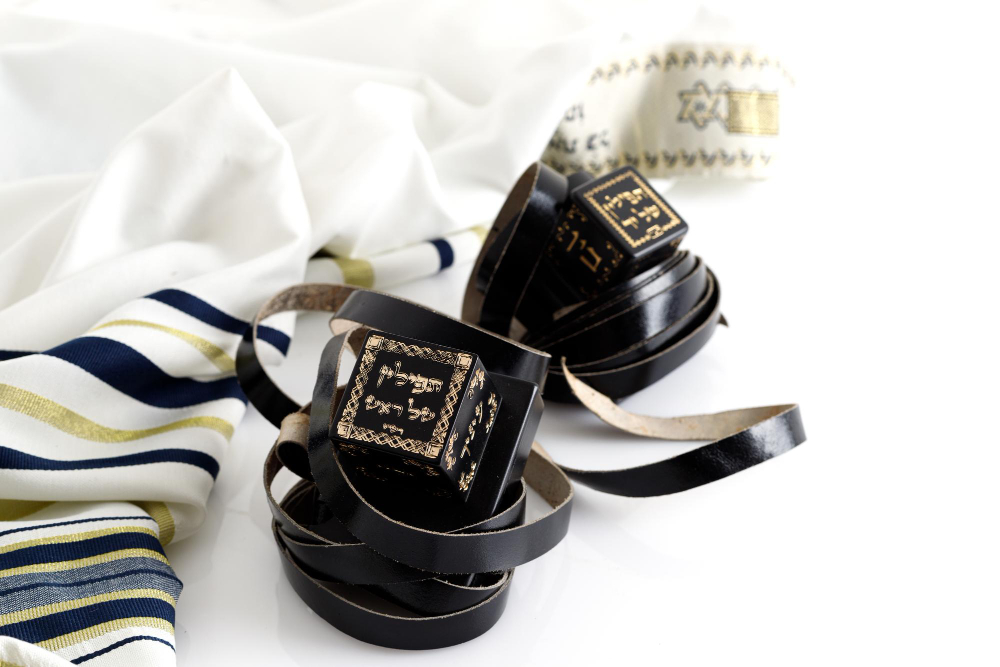
- Regarding Tefillin: Many parents hesitate between “Cowhide (Behema Gassa)” Tefillin (very expensive and durable for generations) and “Sheepskin (Behema Daka)” (significantly cheaper). Important to know: Tefillin from Sheepskin (Behema Daka) are kosher! If the budget is tight, it is better to buy Sheepskin (Behema Daka) with beautiful parchments than Cowhide (Behema Gassa) with low-quality parchments.
2. Alternative materials: looks like, feels like
Today’s technology allows us to enjoy breathtaking beauty at an accessible price.
- Instead of pure silver: Candlesticks, silver-plated goblets and menorahs offer the same luxurious and shiny appearance at a quarter of the price. The new techniques ensure that the plating will last many years.
- Instead of genuine leather: Prayer books and siddurim bound in faux leather (PU) nowadays look so good that it’s hard to distinguish them from the real thing. They are durable, impressive, and significantly cheaper.
3. The power of the “bundle” (Bundles)
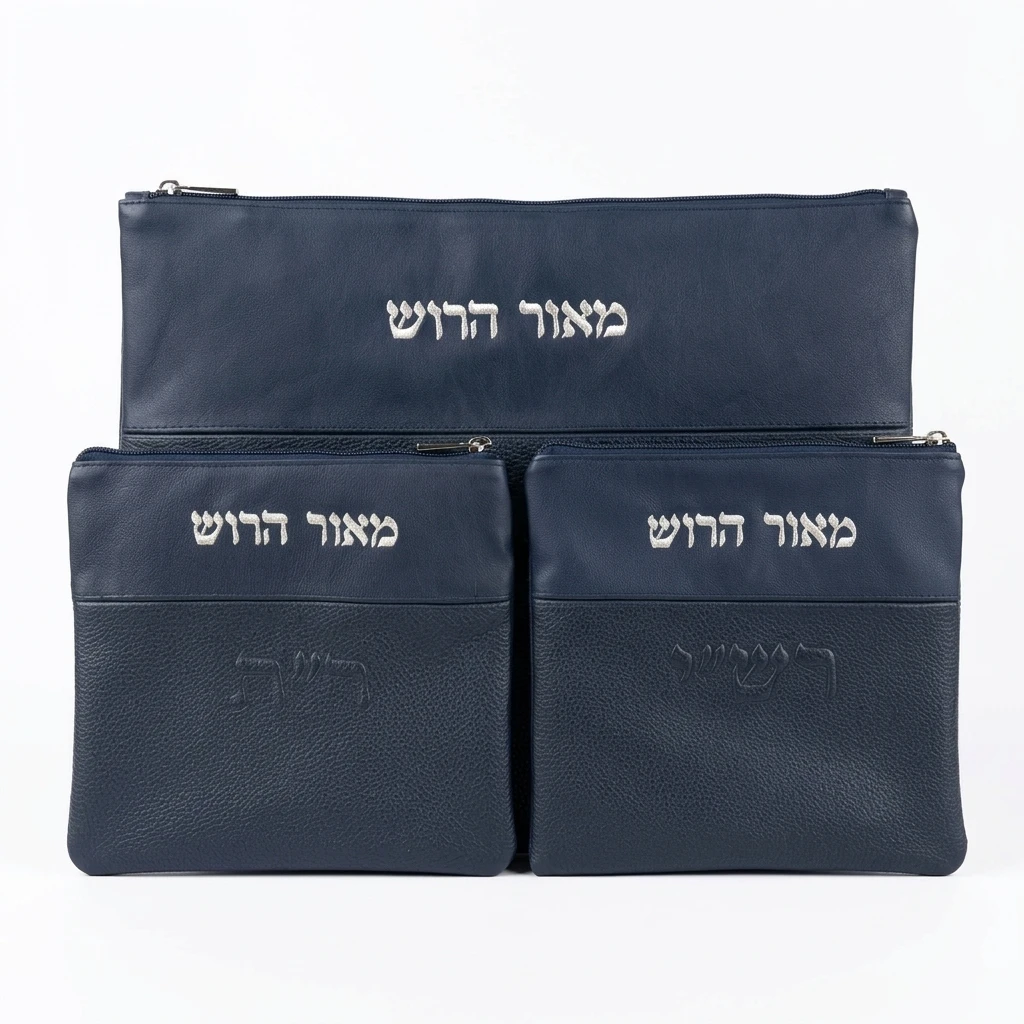
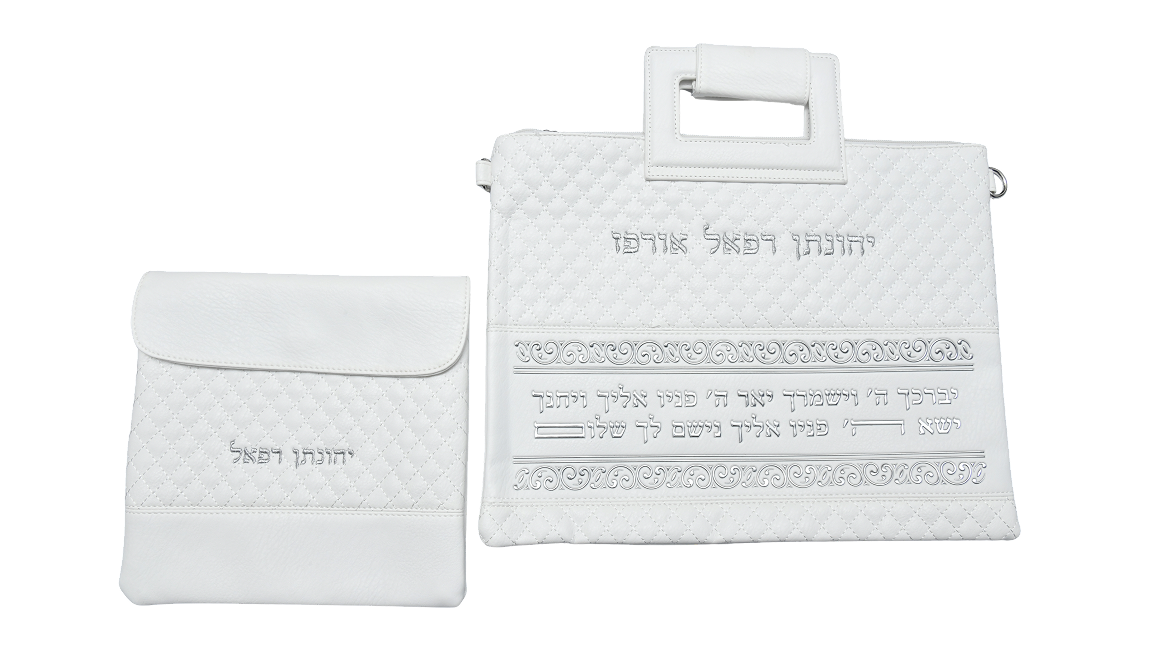
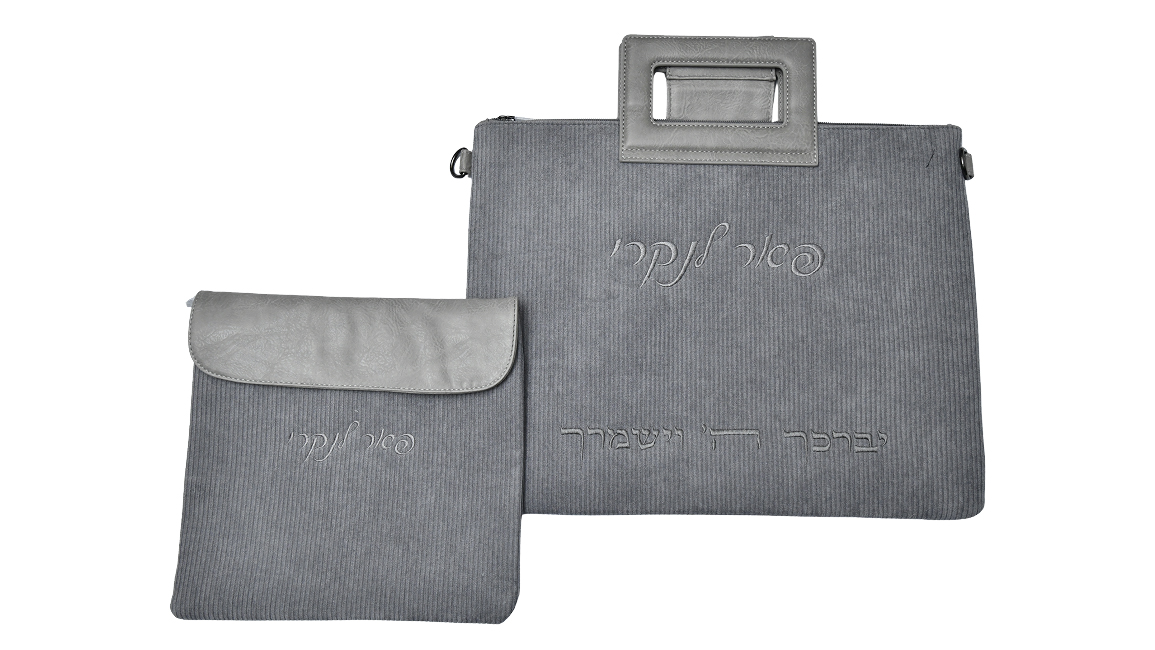
One of the biggest secrets to saving money is buying a set. Instead of buying a tallit separately, tefillin separately, a cover separately, and a siddur separately – purchasing a “Bar Mitzvah set” or “groom’s set” reduces costs by tens of percent. Always look for bundled deals.
The red line: When does “cheap” become expensive?
There is a subtle yet vast difference between “a worthwhile price” and “suspiciously cheap.” When dealing with holiness, there are places where one must not compromise:
- Without kosher certification: Never buy a random product (mezuzah/tefillin) without supervision approval (computer + person). Too low a price is usually a warning sign for a defective parchment.
- Tefillin straps: Straps that are too cheap peel off quickly, and their black color fades, which creates a halachic problem. Therefore, it is worth investing in quality straps that will last for years.
- Tzitzit: Make sure the tzitzit are made from sheep’s wool (according to most poskim this is an enhancement) and that the tying was done “for the sake of the mitzvah” by a G-d fearing Jew, not by an unsupervised industrial machine.
A point to consider: The sacrifice of the poor
While the Temple existed, a rich person would bring a bull as a sacrifice, and a poor person would bring two turtledoves (doves) or even a flour offering (meal). Was the rich person’s sacrifice worth more? The answer is no. About both, it is said, “a pleasing aroma to the Lord.” The Creator does not check the bank account, but the heart.
When you buy a candlestick for 50 shekels and not 5,000 shekels because you cannot afford more and your maximum now is 50 NIS – the light it shines will be exactly the same light. As it is said, “one who gives more and one who gives less – as long as a person directs his intention to Heaven.” The Jewish home is built on warmth and love, not on luxury brands.
Questions and Answers
Q: Is it obligatory to buy a wool tallit, or can a cheaper synthetic acrylic one be used? A: According to the strict halacha, a synthetic tallit is also kosher if it has four tzitzit. However, the custom and the preference is to wrap oneself in pure sheep wool, especially with a large tallit (the large tallit used during prayer over clothing, unlike the “small tallit” worn over an undershirt – where there are more lenient customs) in order to fulfill a Torah commandment according to all opinions (as some say that only wool fulfills the Torah commandment and other fabrics are rabbinic). Quality wool tallitot can be found at very basic prices, so it is recommended to make a small effort for wool.
Q: Does a low price necessarily indicate poor quality? A: Not necessarily. Sometimes a low price results from reducing intermediary gaps, direct online marketing (without expensive physical stores), or bulk purchasing. The wise approach is to check the technical specifications and warranty, and not judge solely by the price.
Q: I have a gift budget of 100 ILS for a housewarming party, can I find something worthwhile? A: Definitely! Instead of buying a meaningless decorative object, with 100 ILS you can buy a beautifully designed mezuzah case, a Psalms book with a respectable cover, or Shabbat candlesticks. A thoughtful gift is worth more than any amount of money.
The Smart Shopping Checklist
Before you click “Add to Cart”, make sure you’ve checked:
- Price Comparison: Is the price fair relative to the market?
- Warranty: Is there a “parental” support for the product? Is there a return option?
- Focus on the Essence: Is the product kosher and fit for use?
- Personal Connection: Do you like the product? (Even a cheap product should bring joy to the heart).
Holiness Worthy for Everyone
The ability to bring the light of tradition into the home should not depend on wealth. We believe that “embellishing a commandment” is also measured by the joy with which you use the product, not only its price. The delicate balance is the key: a fair price, strict kashrut, and respectful design.