
Choosing holy products is a spiritual and material investment for the long term. To ensure that the products – from tefillin and mezuzot to candlesticks and kiddush cups – are both strictly kosher and durable for years, emphasis should be placed on three parameters: the source of the writing (a certified sofer stam), the quality of raw materials (silver, aluminum, or fabric), and suitability for the modern lifestyle.
For the Jewish family, holy products are not just decorative items; they are the channel through which we fulfill mitzvot and connect the next generation to the tradition of our ancestors. From our experience at ‘HOLY LETTERS’, many customers seek the precise blend of ‘old’ and ‘new’ – products written or made according to the strictest halachic standards, but designed to fit the modern home of 2026.
The Pillars of Holy Products: What Must Be in Every Home?
When equipping a Jewish home with holy products, it’s advisable to divide the purchase into main categories:
- Sacred utensils (Stam): These are products that require meticulous inspection – tefillin and mezuzot. There is no room for compromise here. A quality holy product is measured by the quality of the parchment and the precision of the writing. It is important to ensure that the products have undergone double proofreading (computer and human) to guarantee full kashrut.
- Shabbat and Holiday utensils: Candlesticks, kiddush cups, and challah knives. These products are intended for “hidur mitzvah” (beautification of the commandment). The trend today is moving from materials that tarnish quickly (like simple silver) to durable and luxurious materials like anodized aluminum or crystal, which retain their shine without tiring polishing.
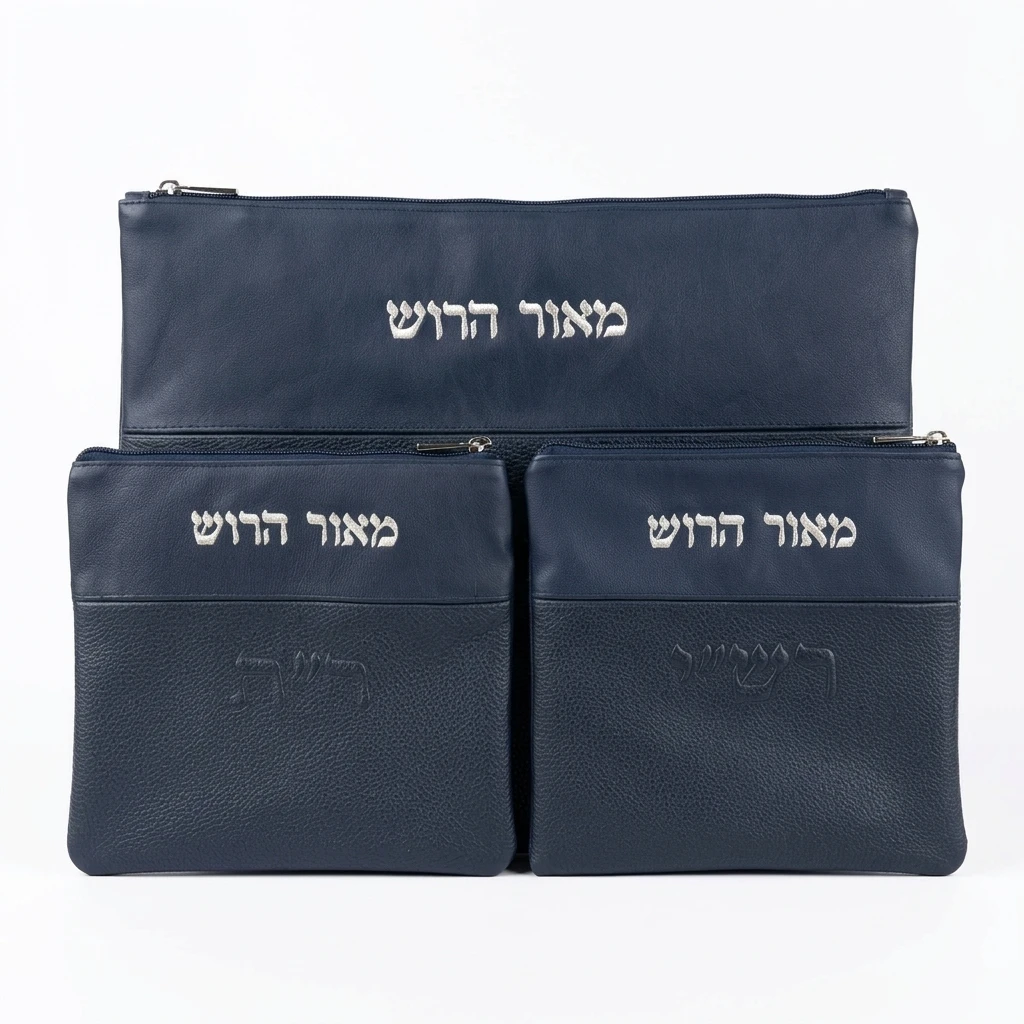
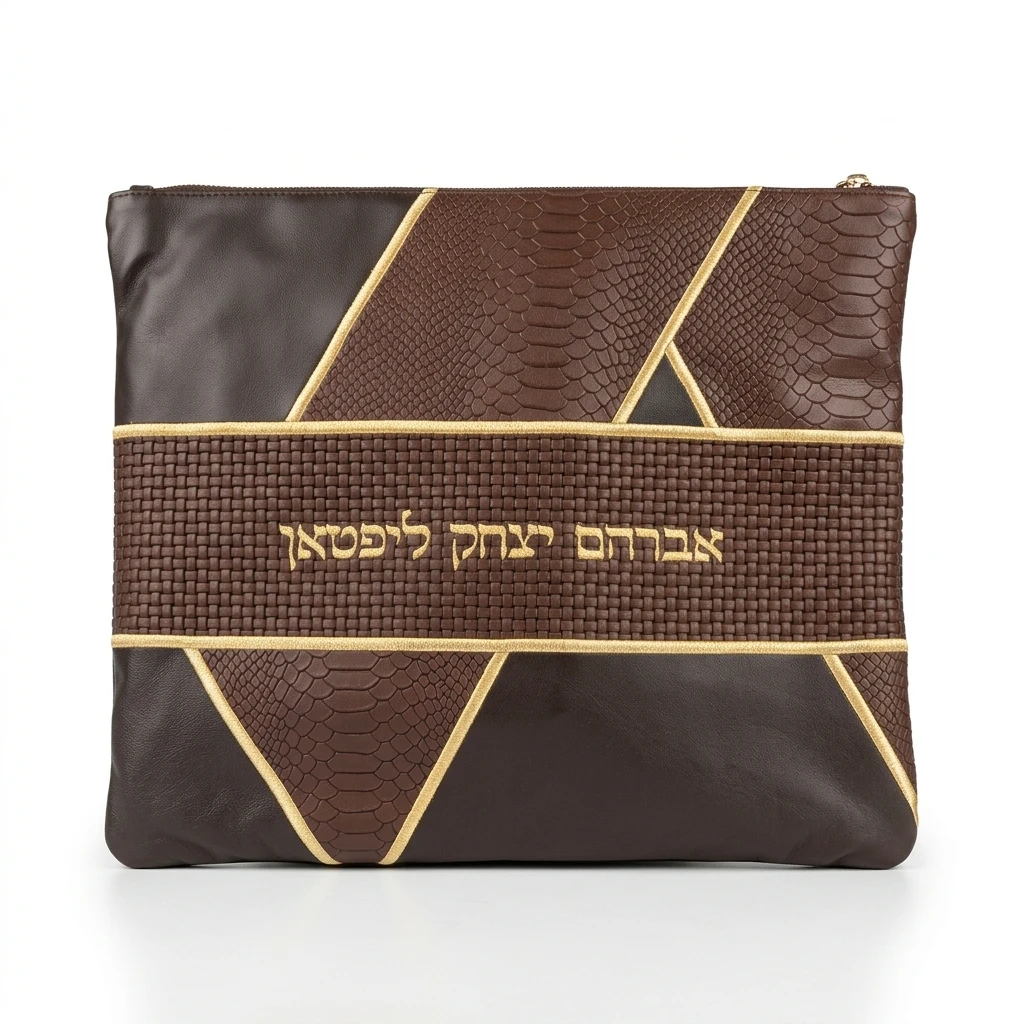
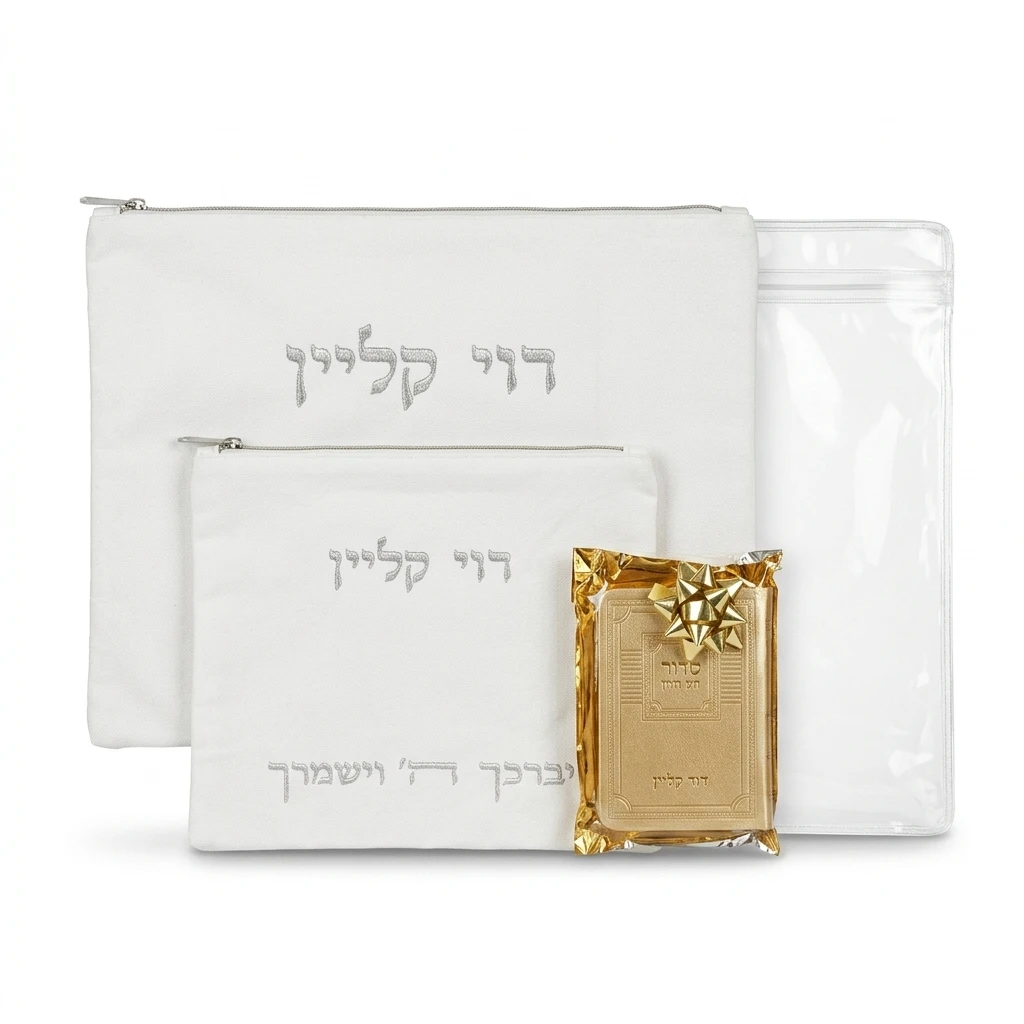
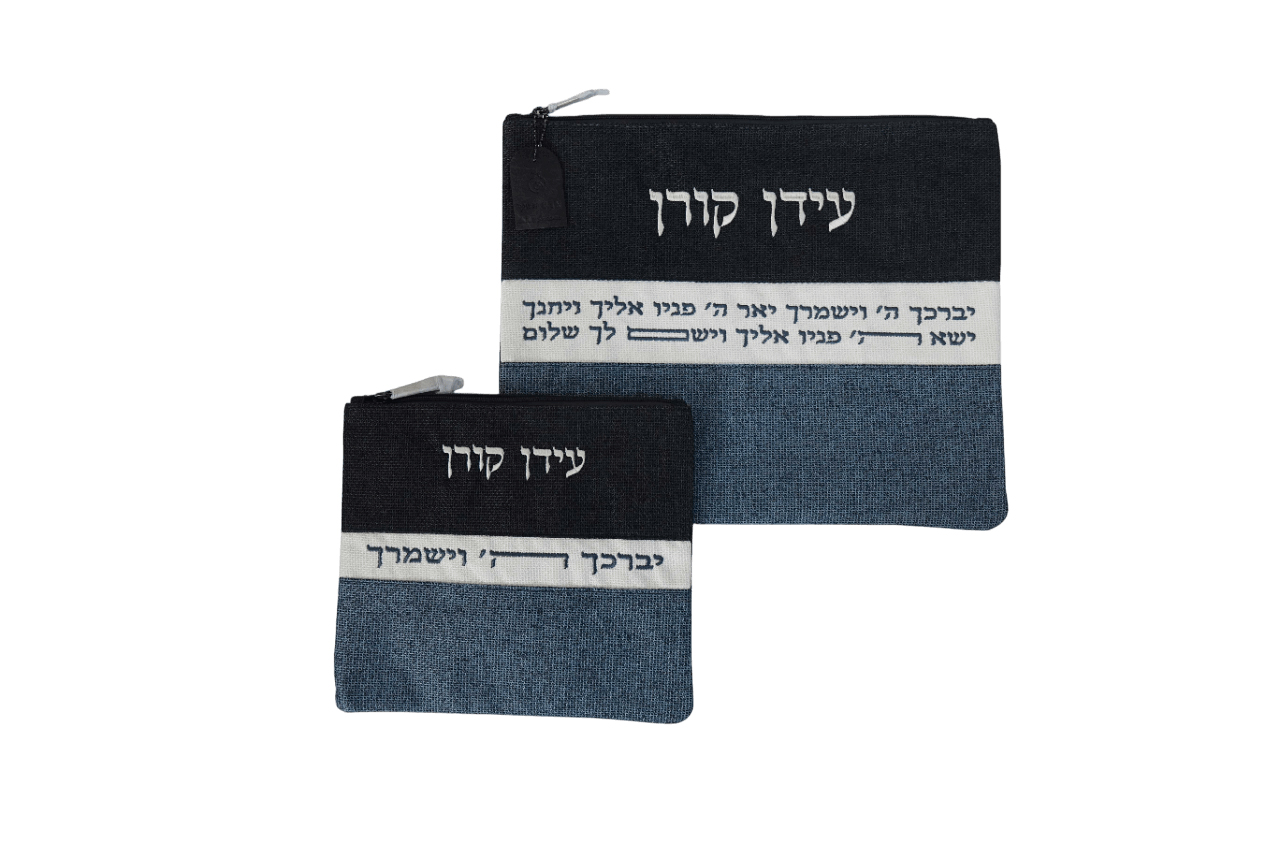
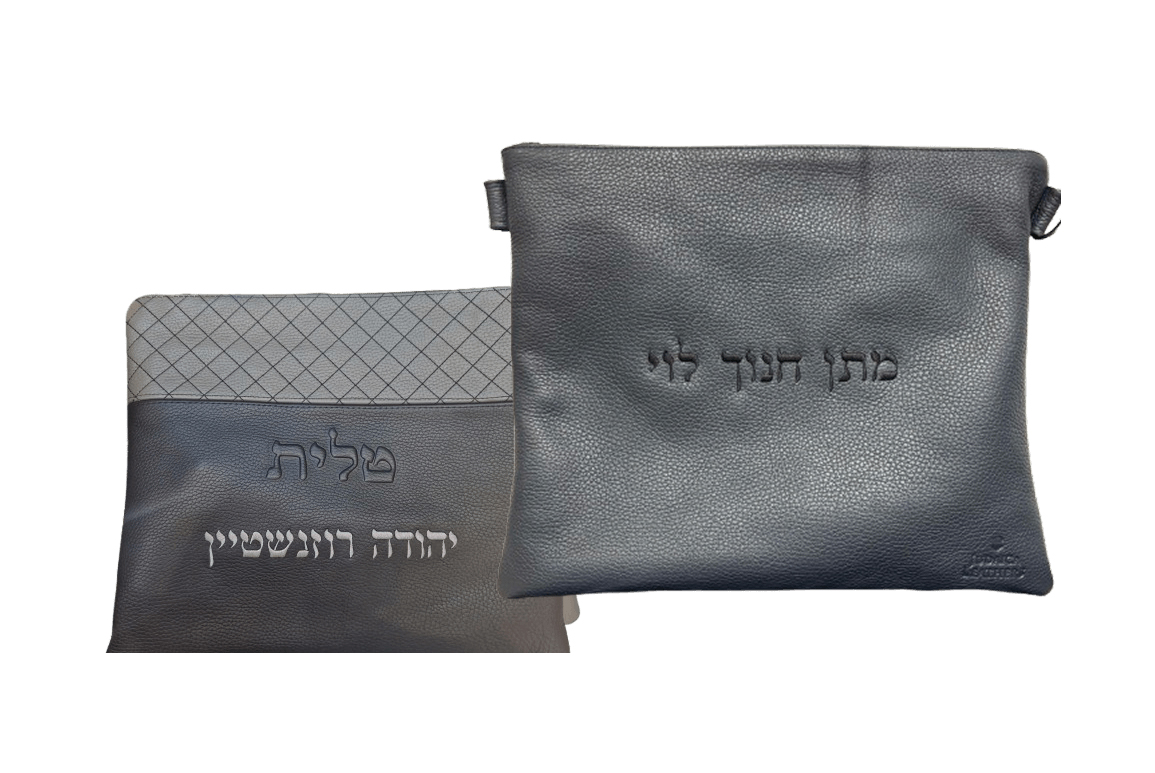
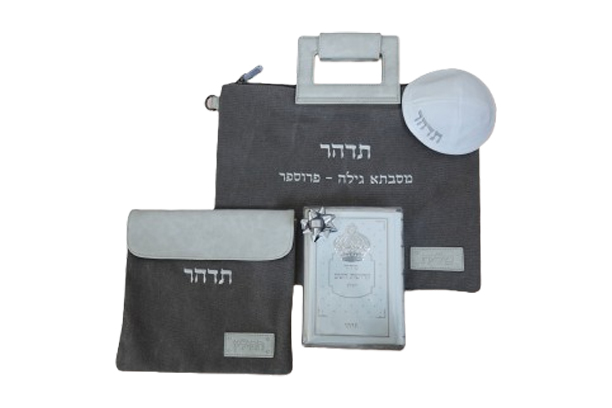
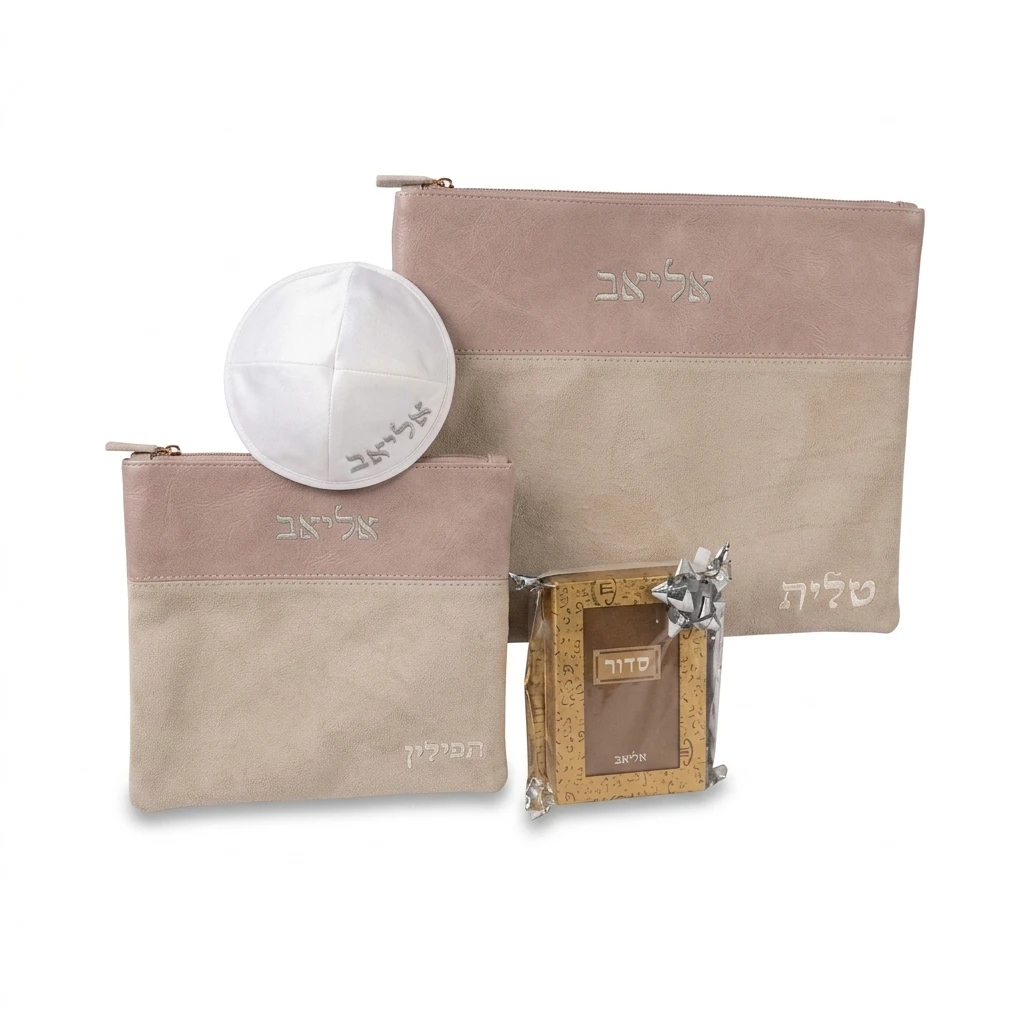
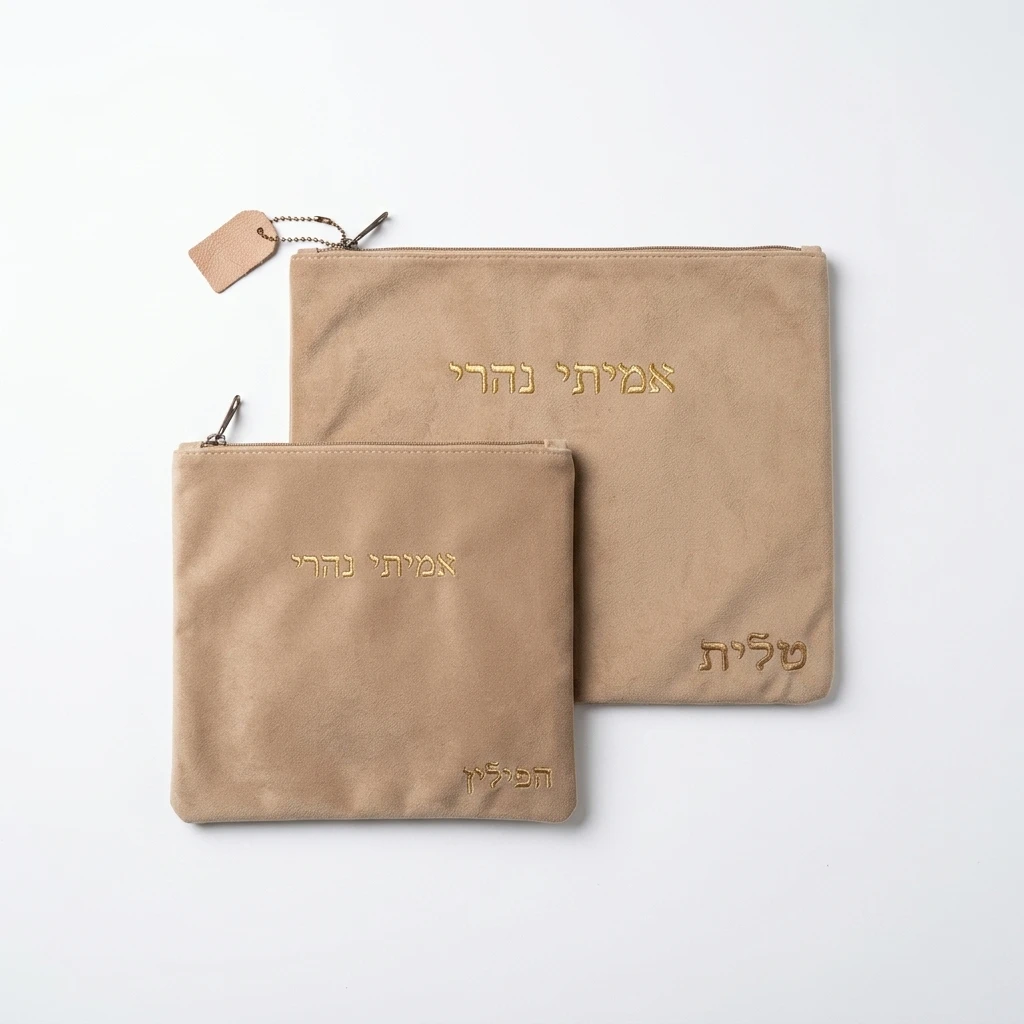
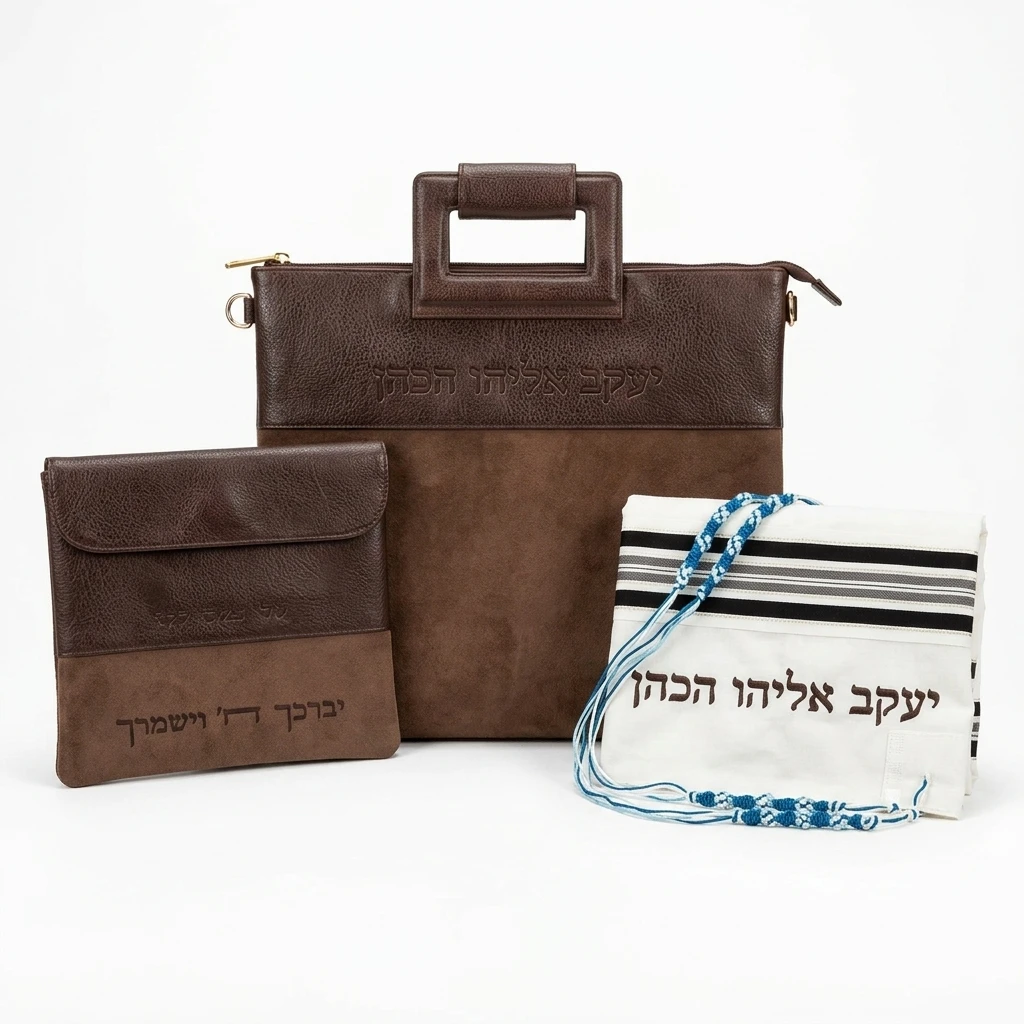
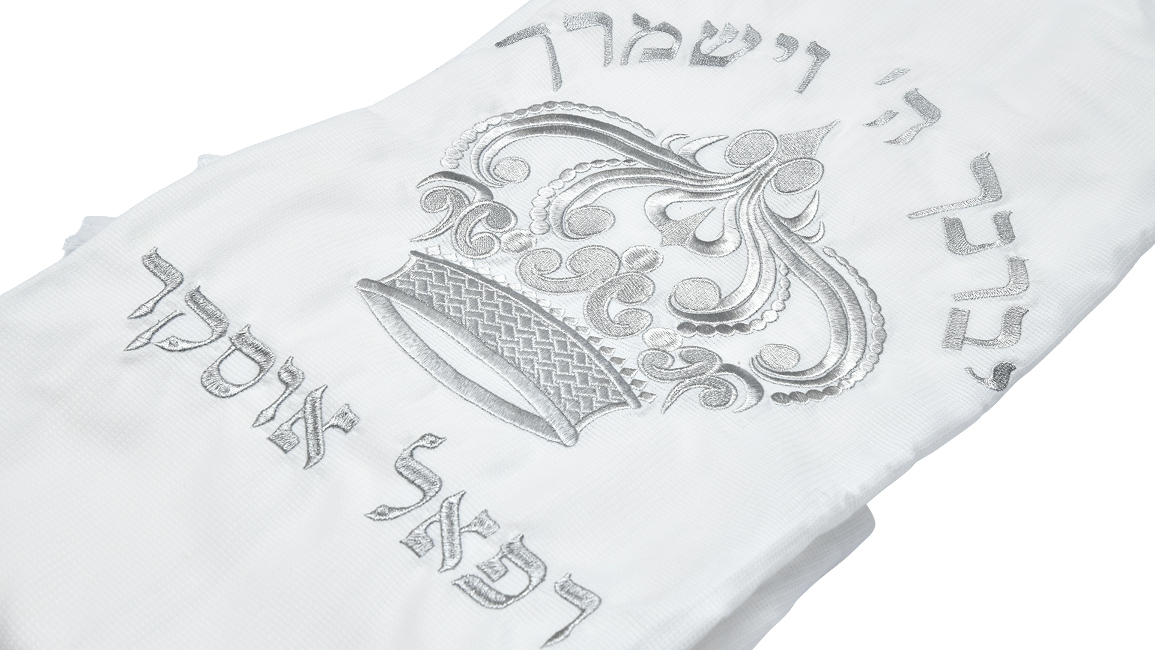
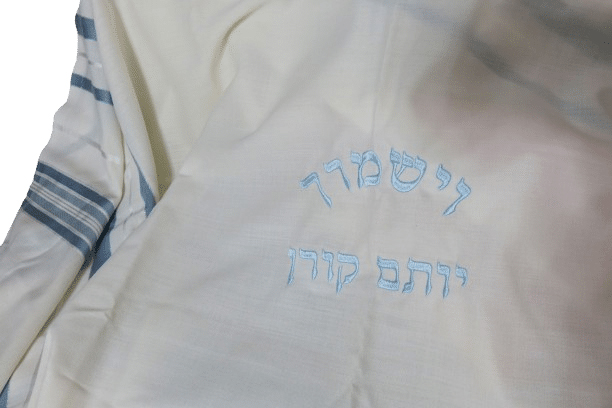
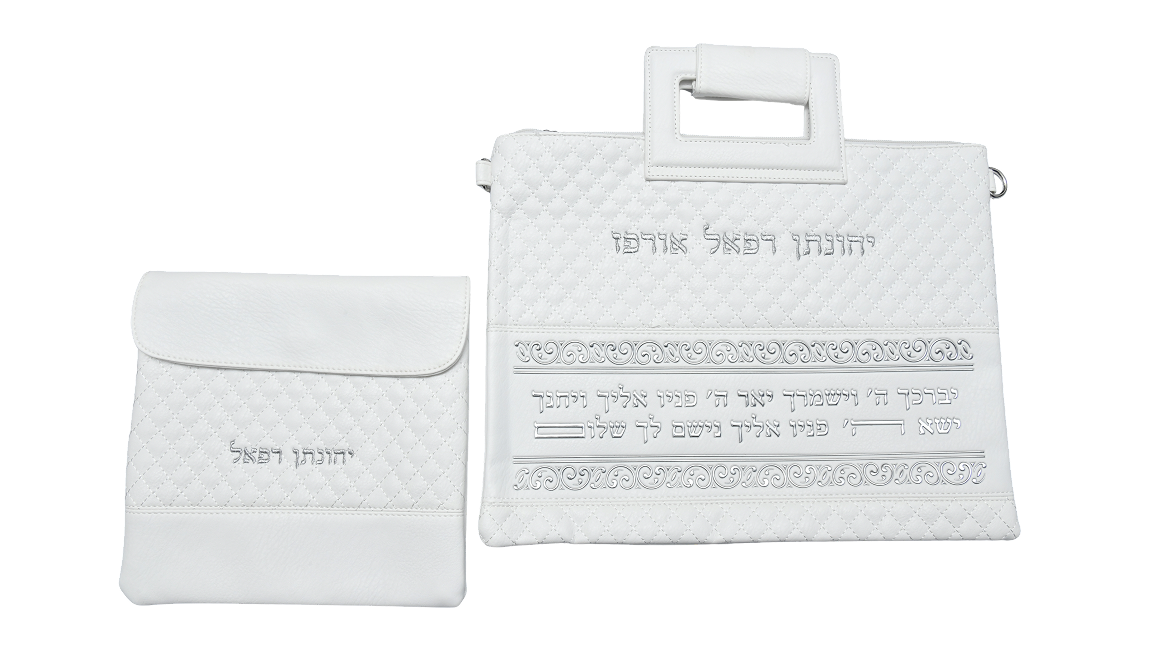
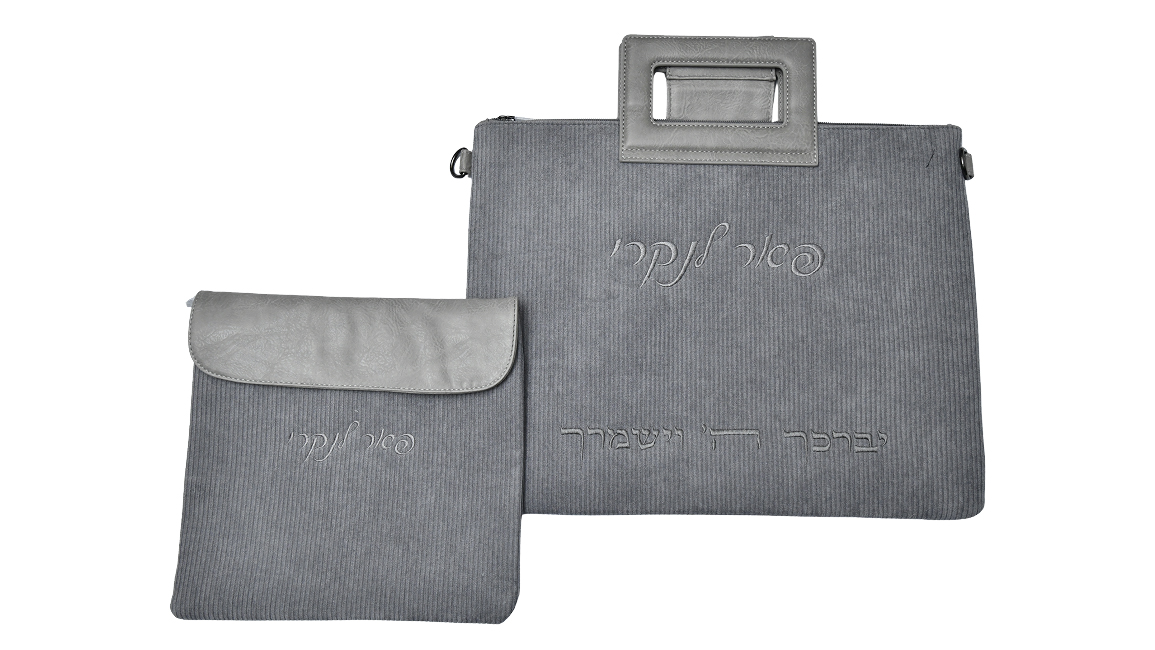
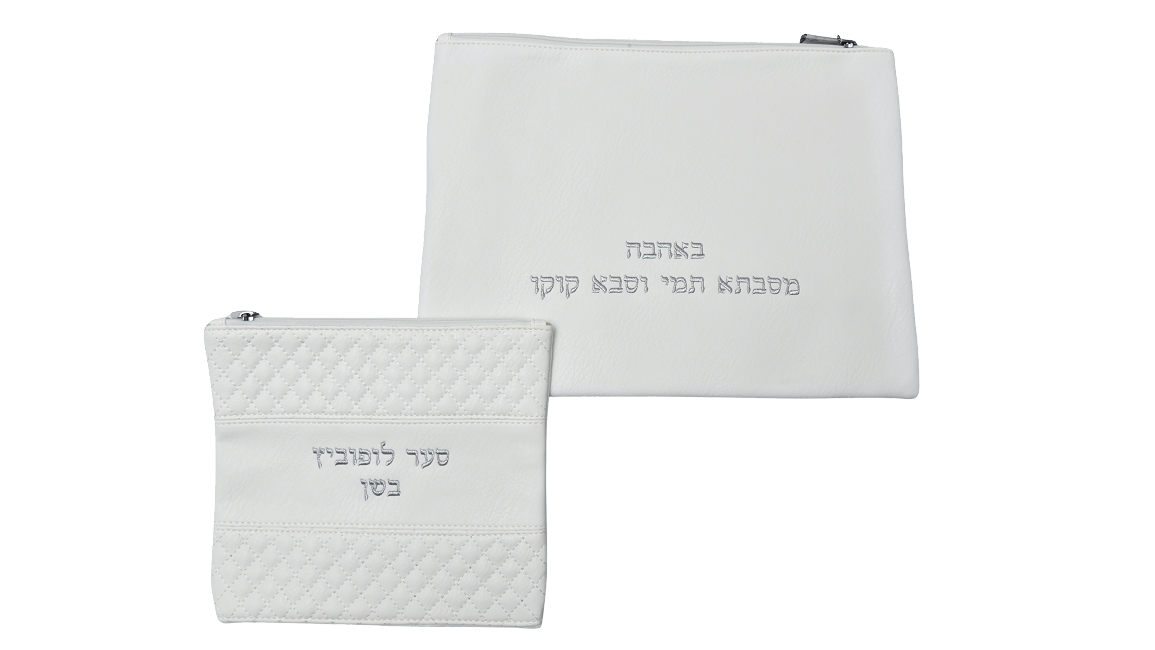
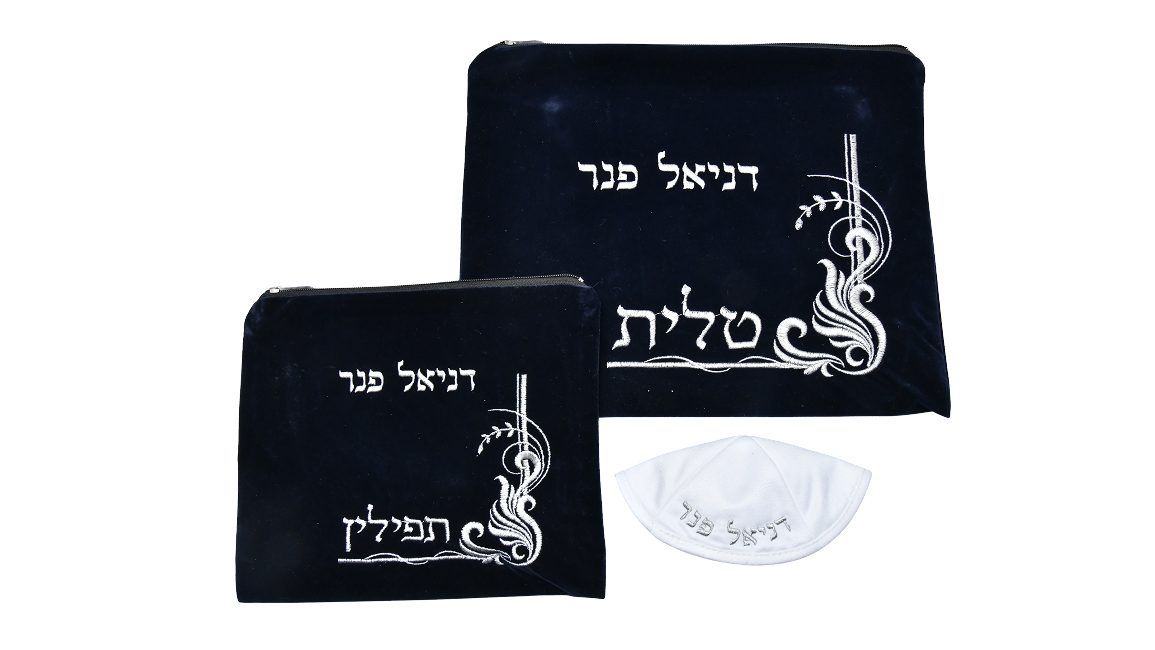
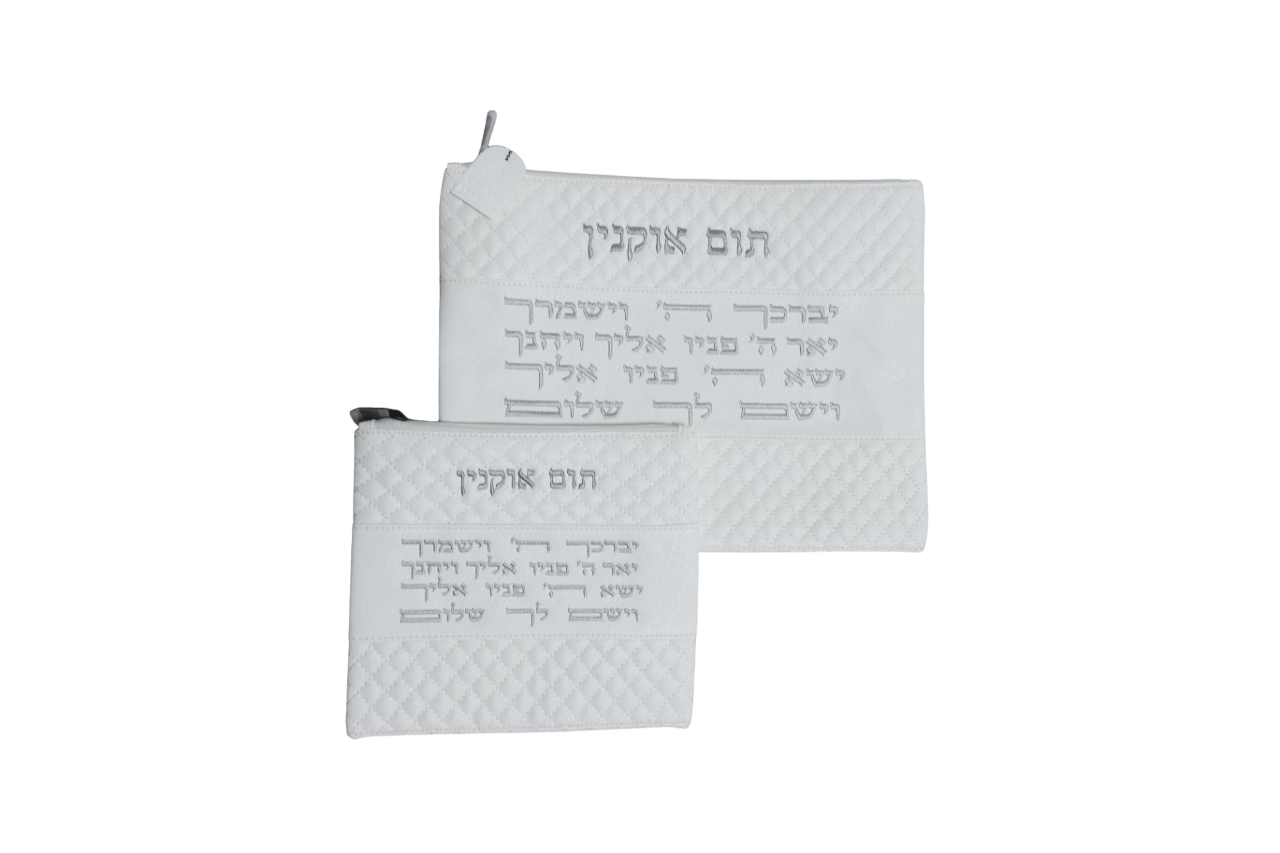
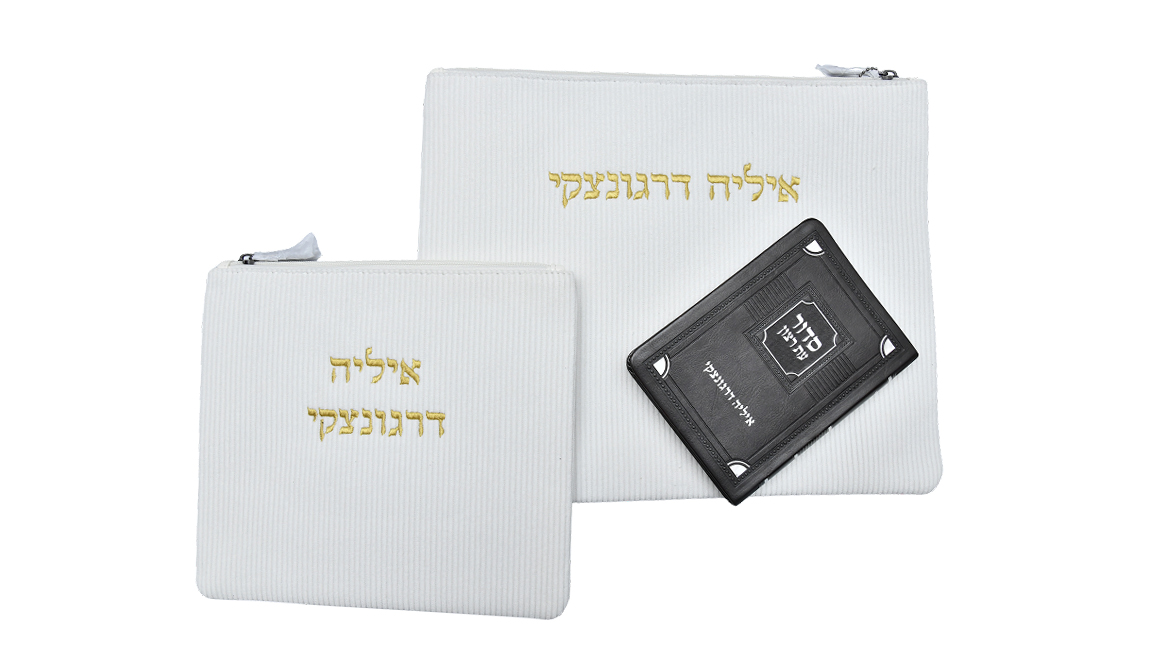
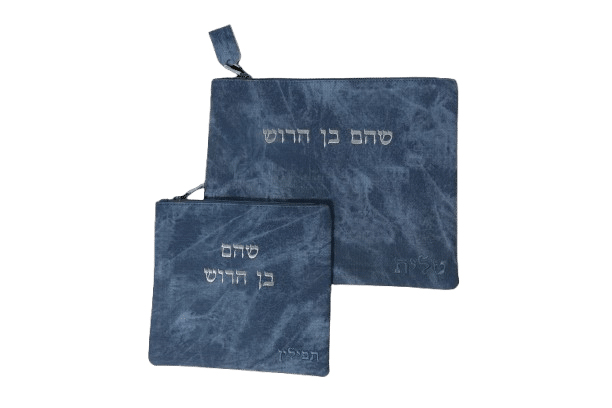
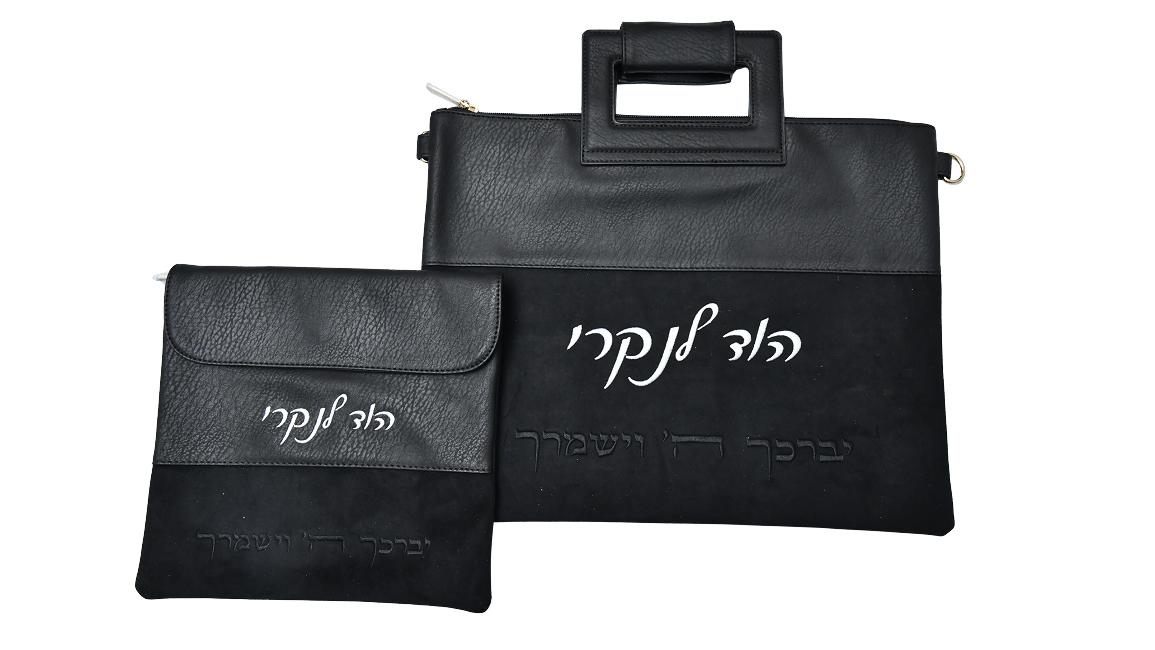
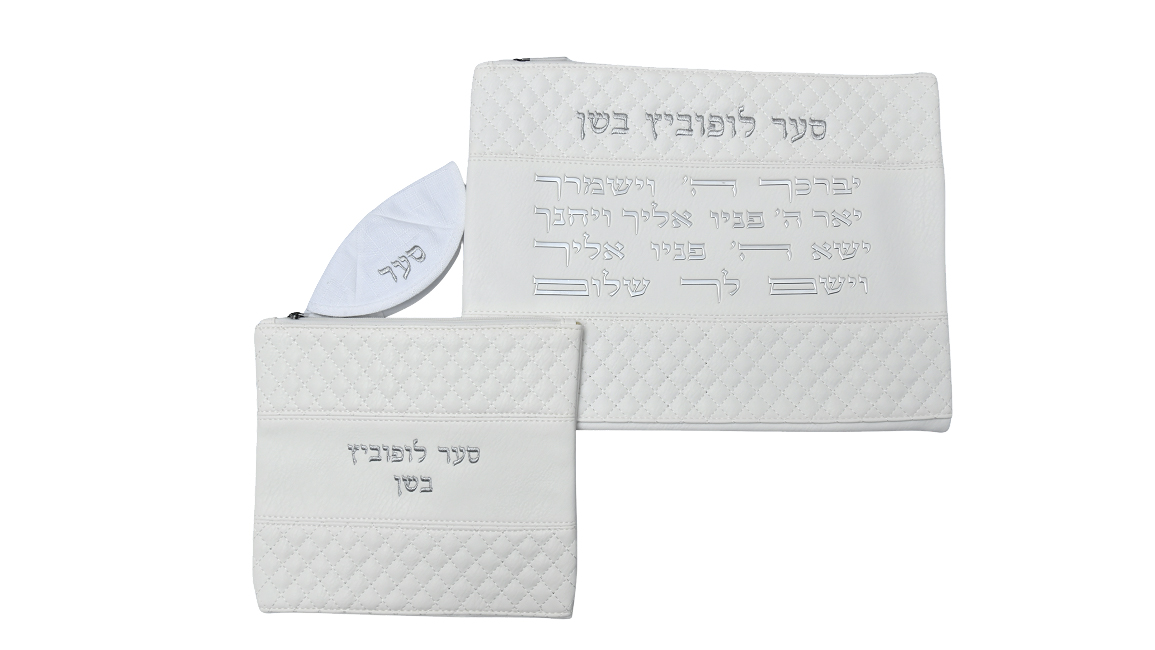
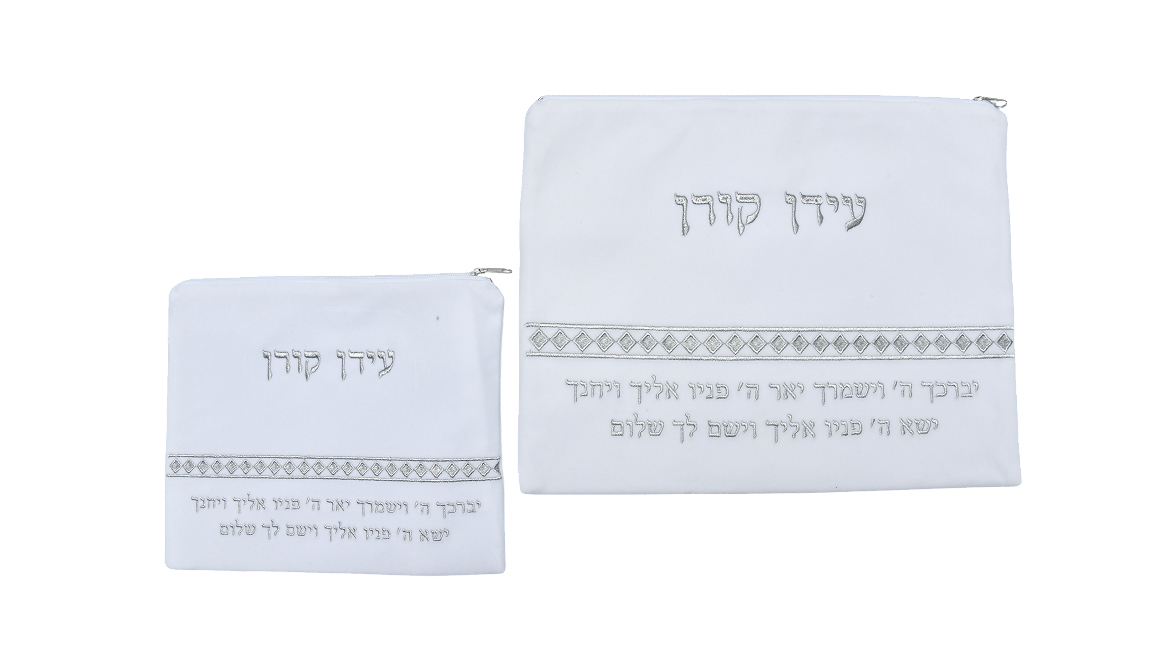
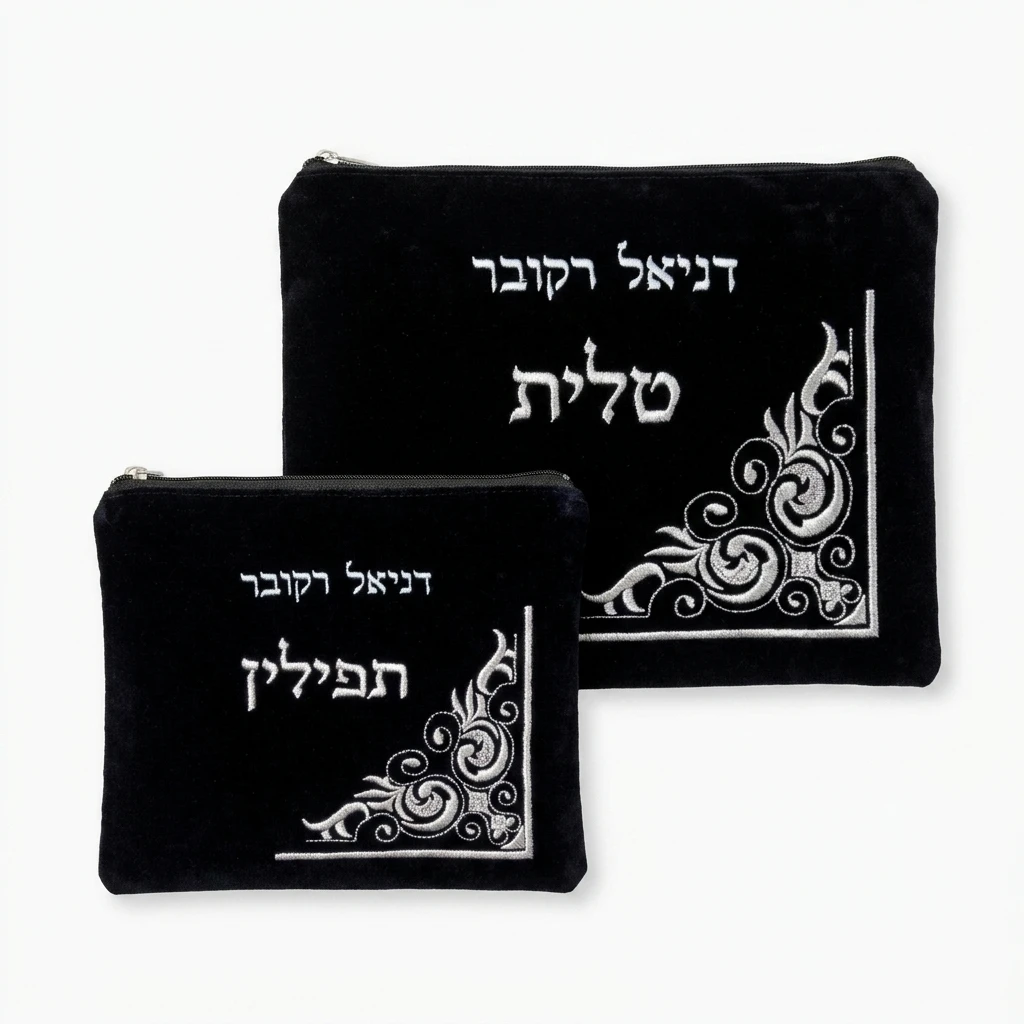
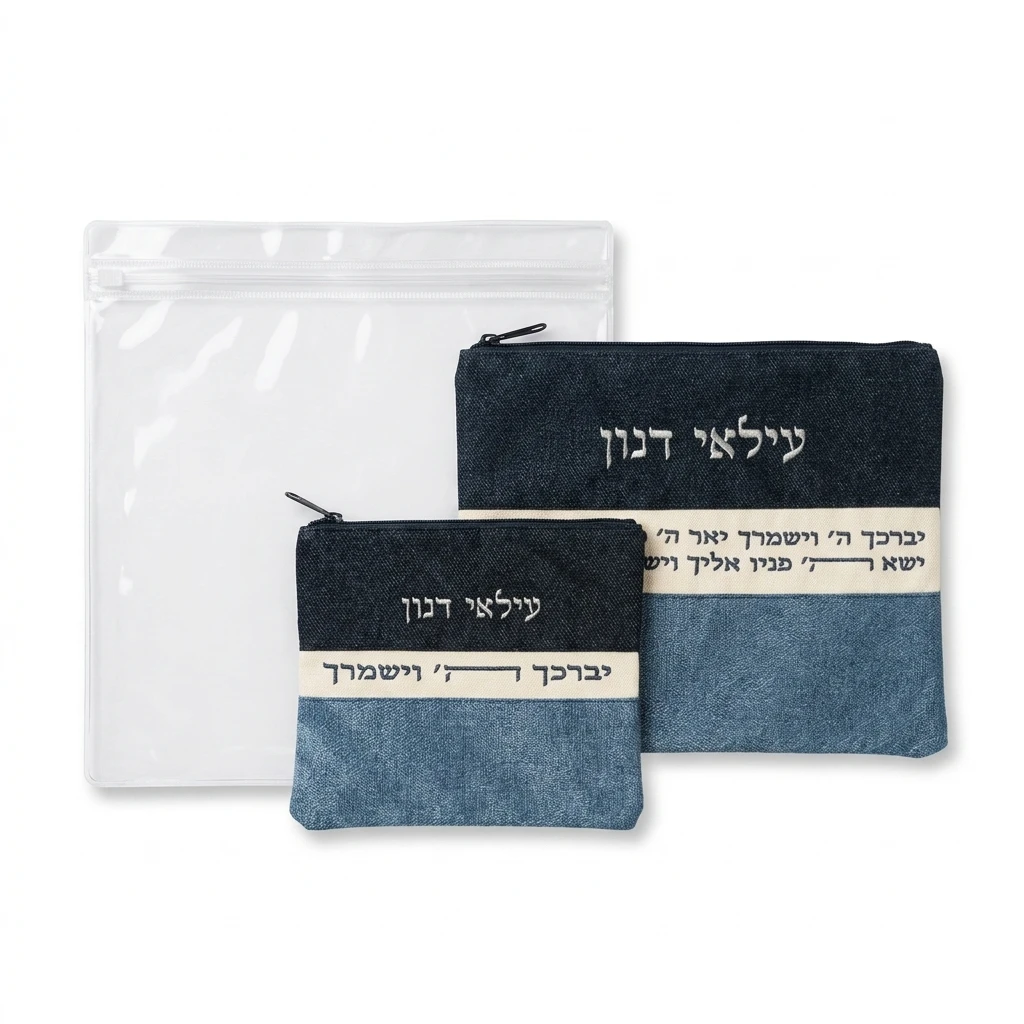
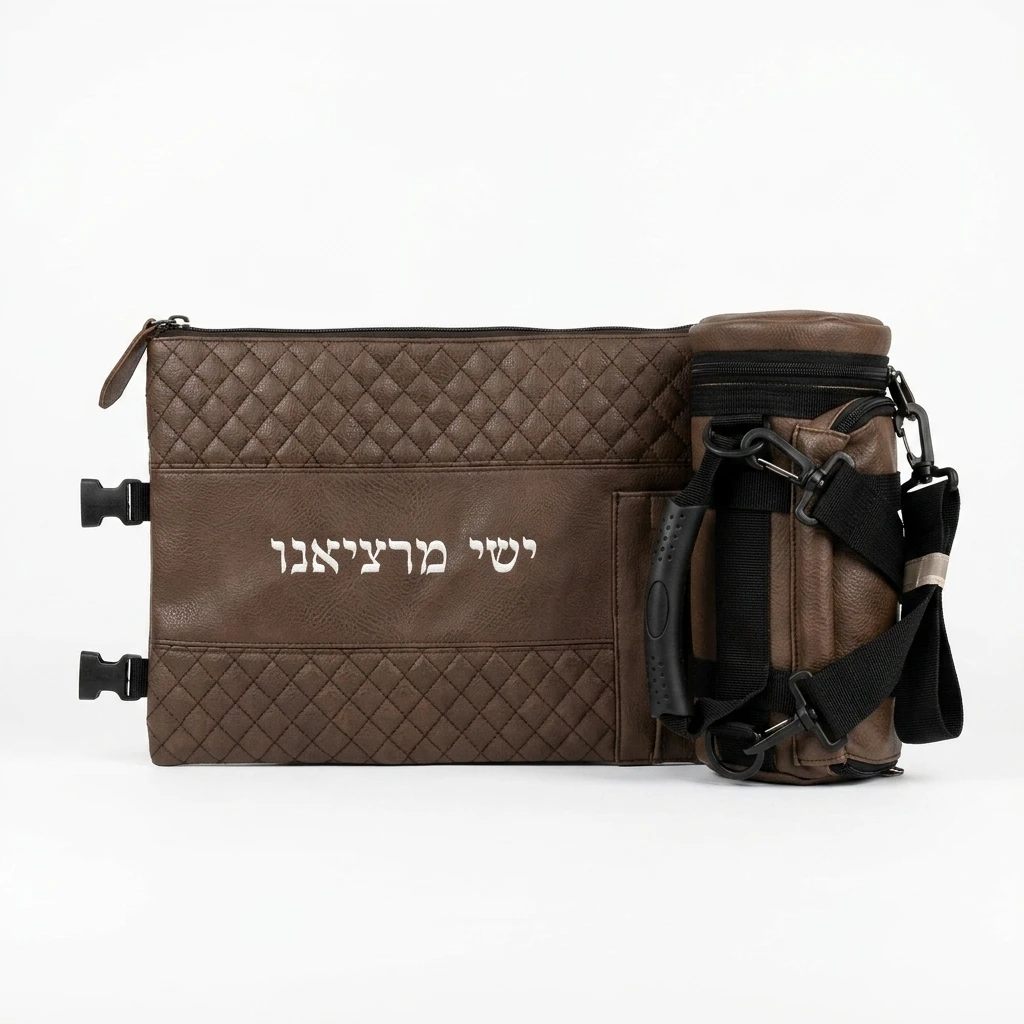
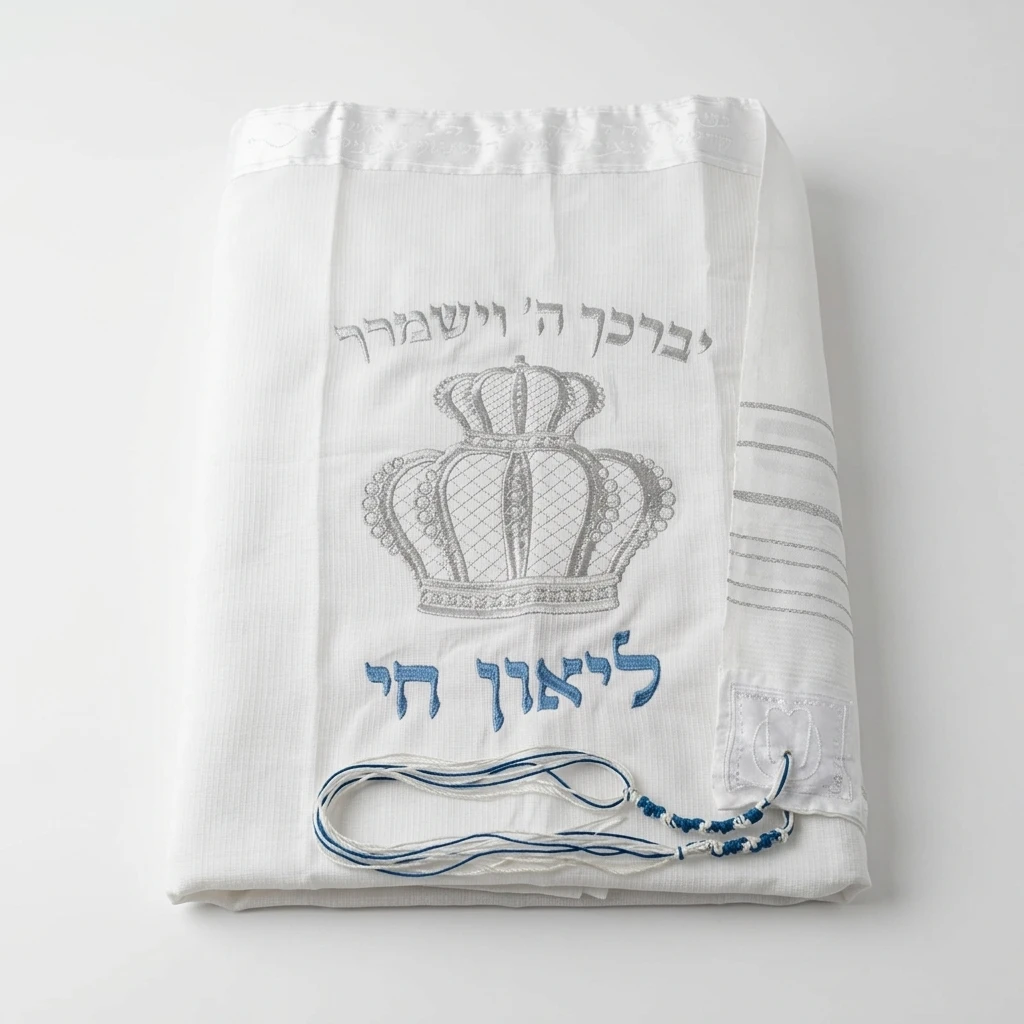
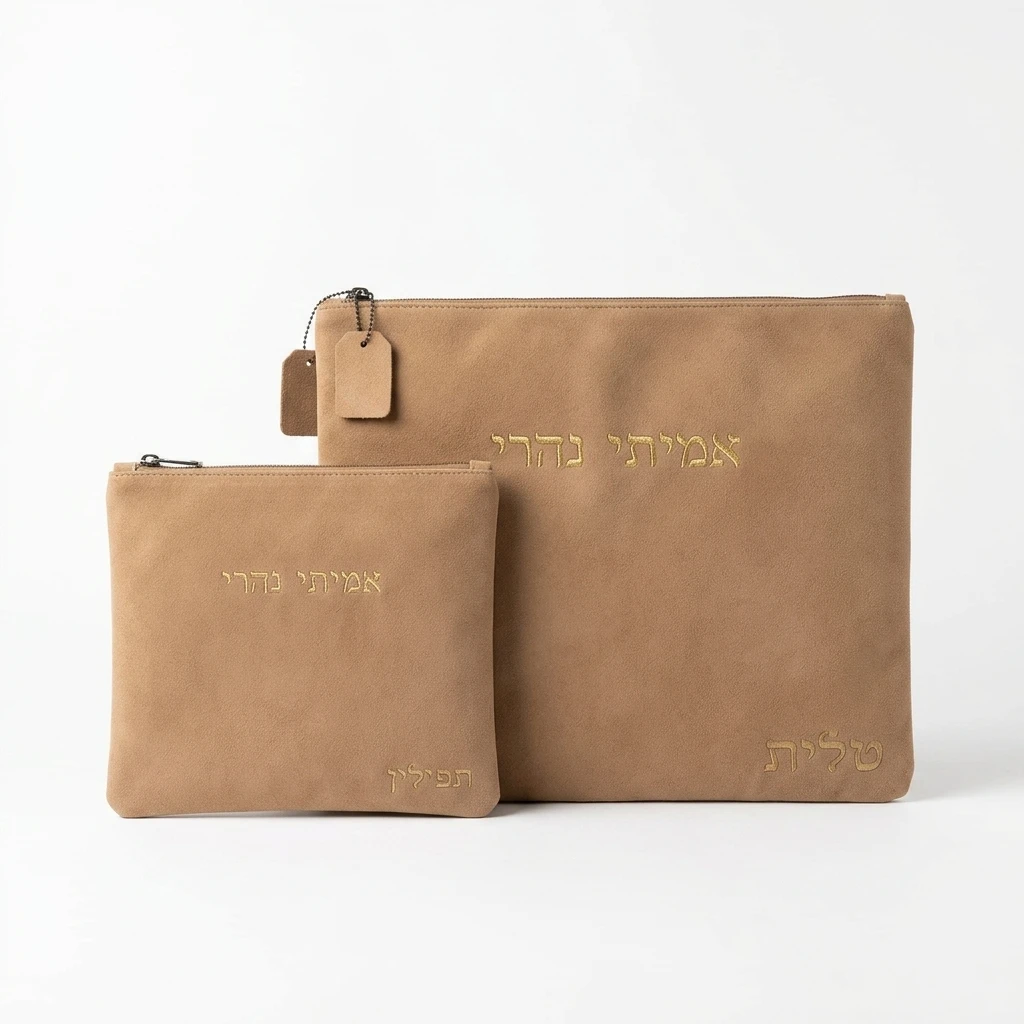
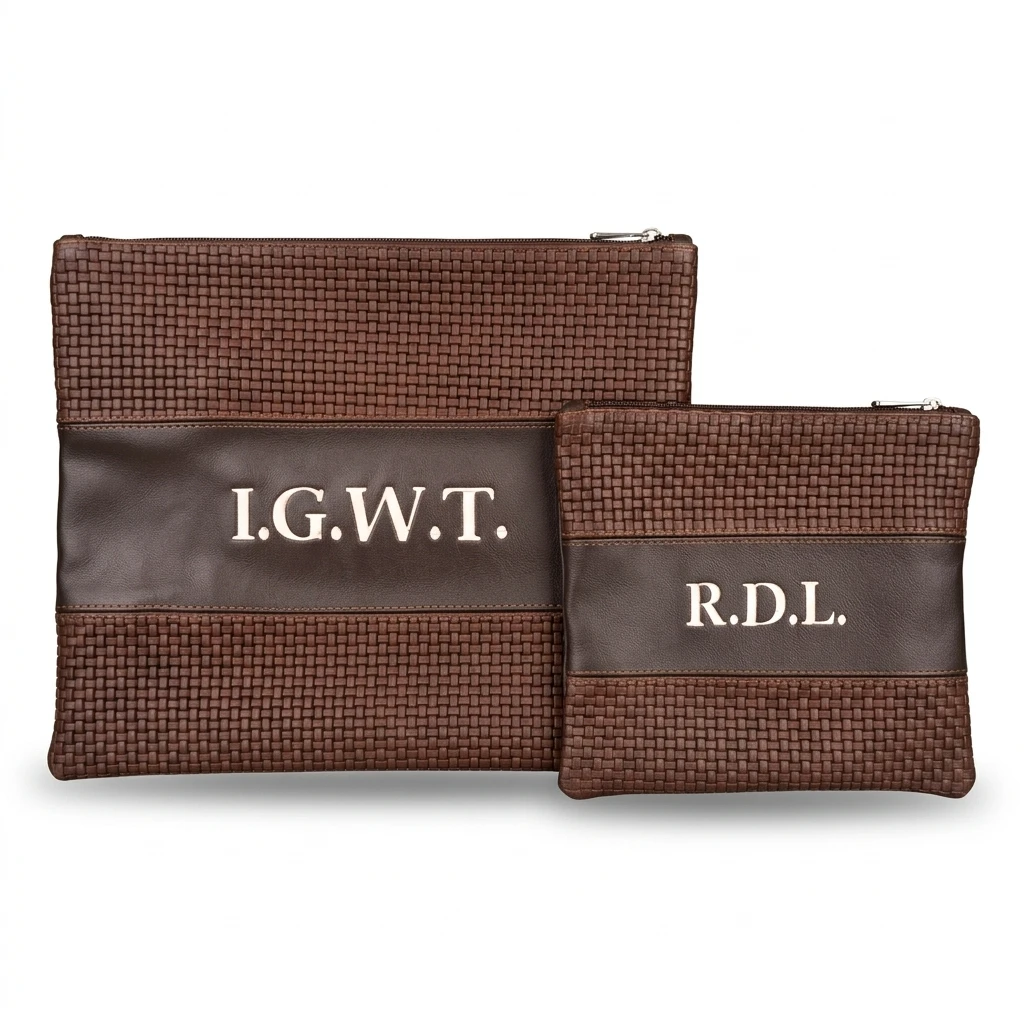
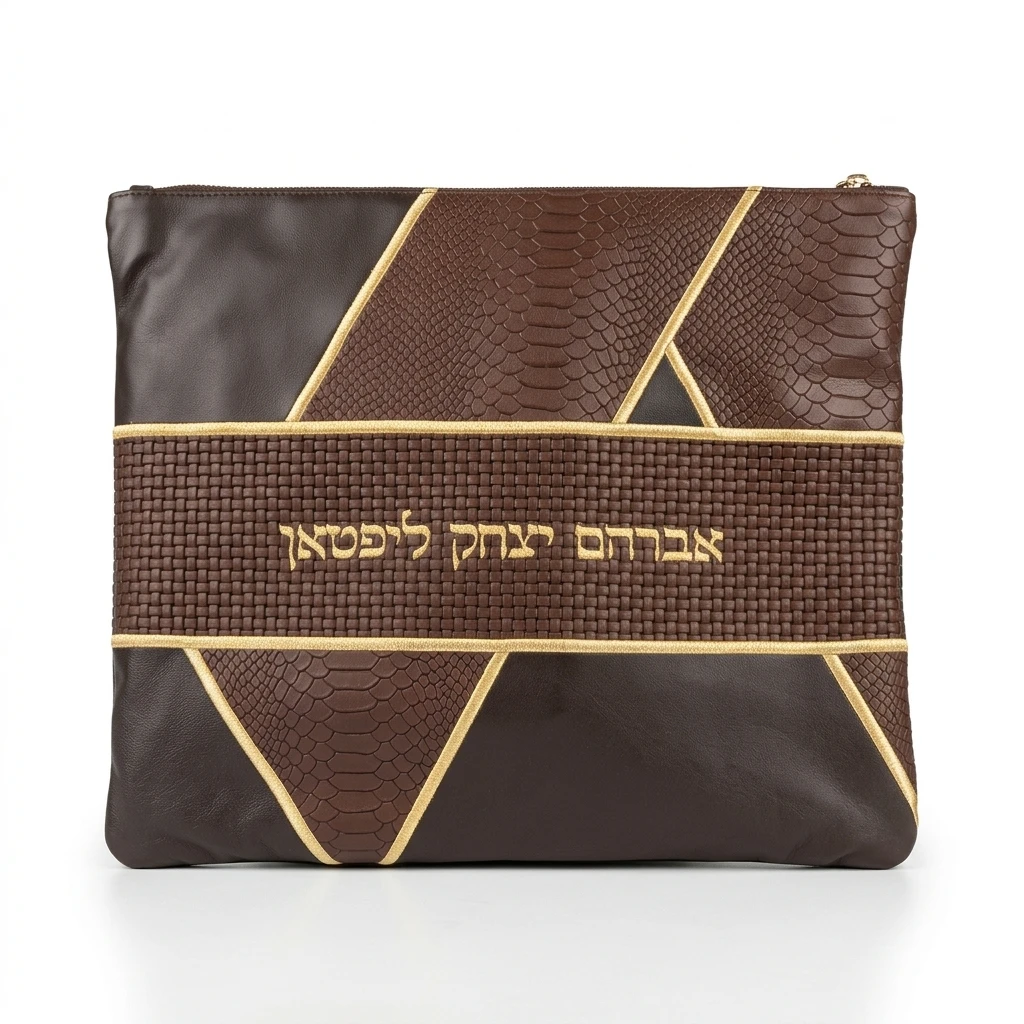
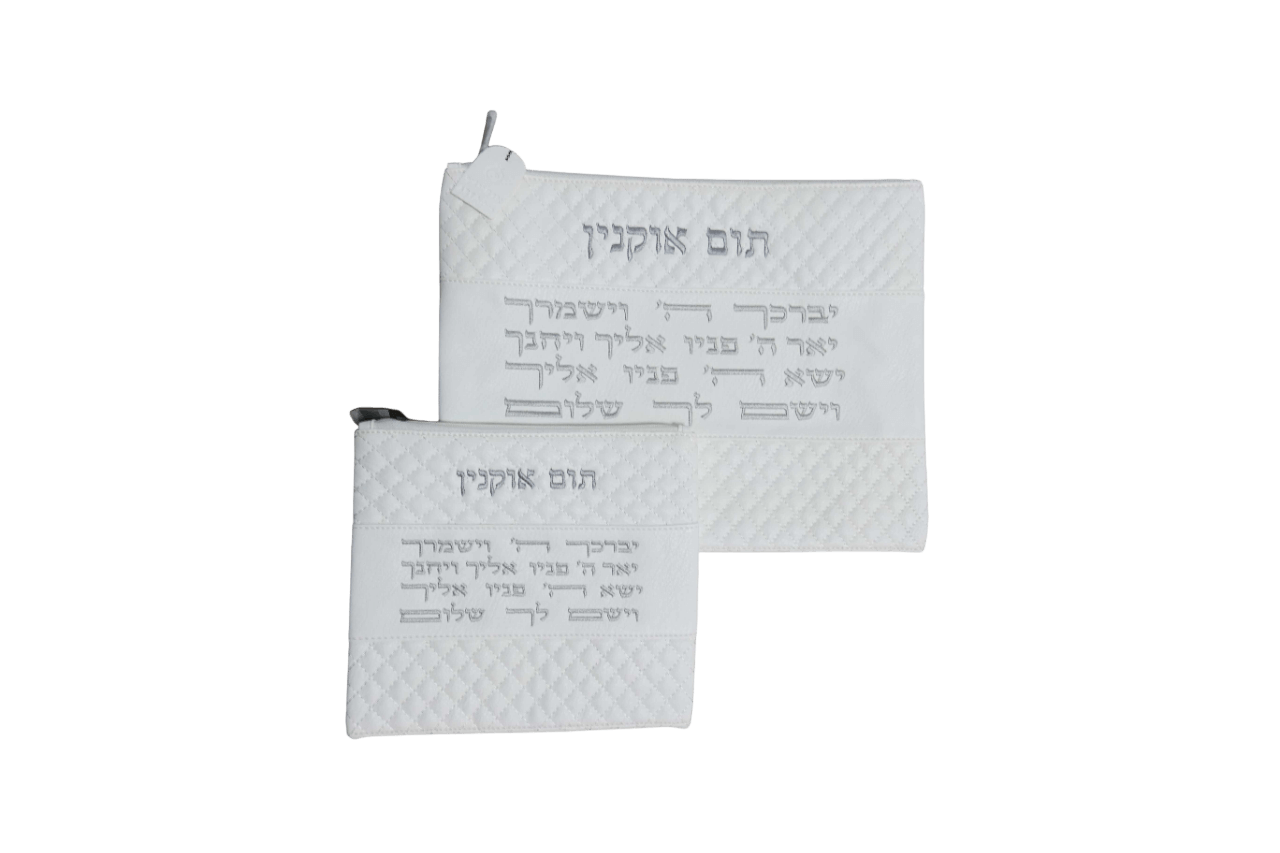
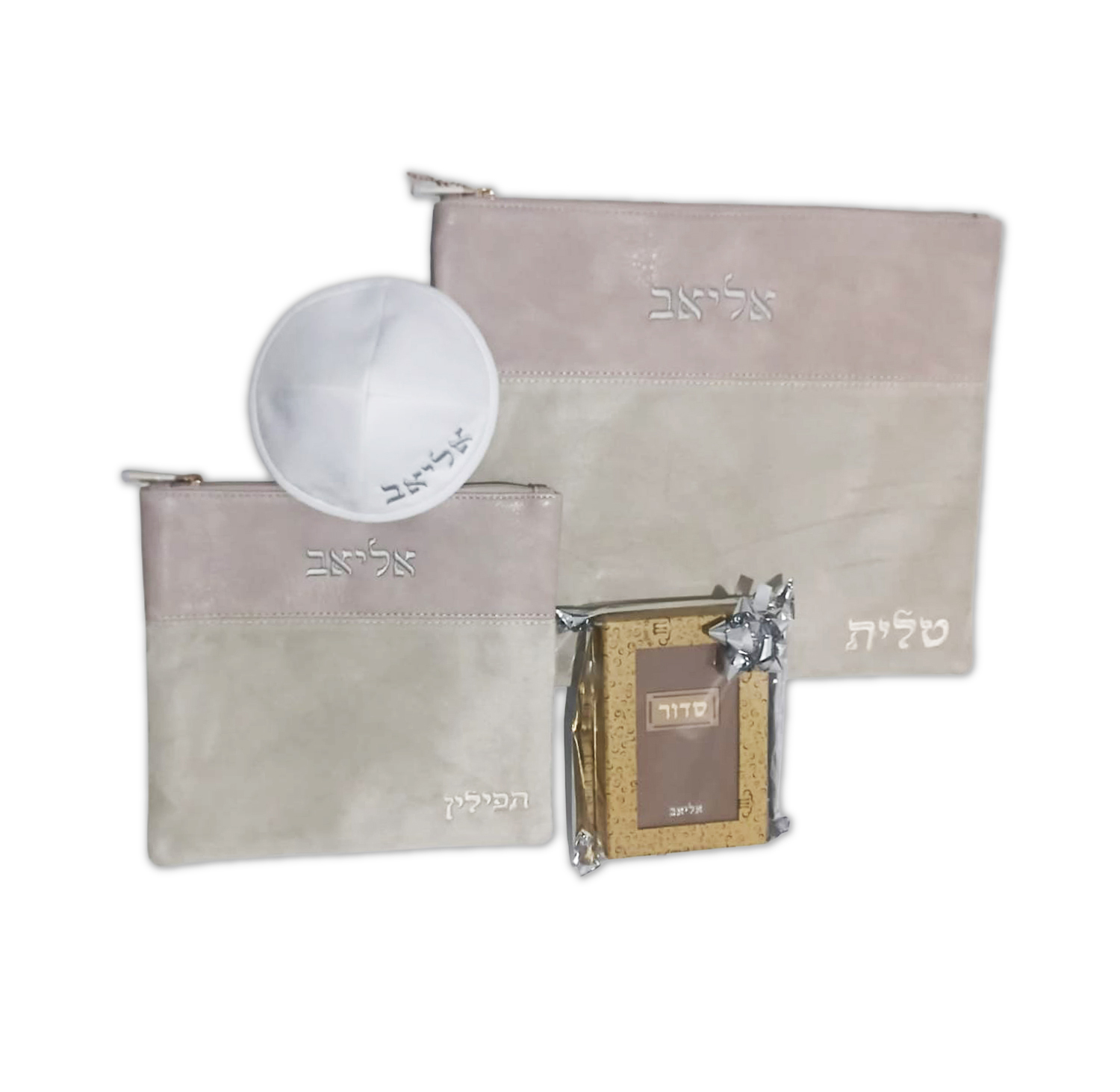
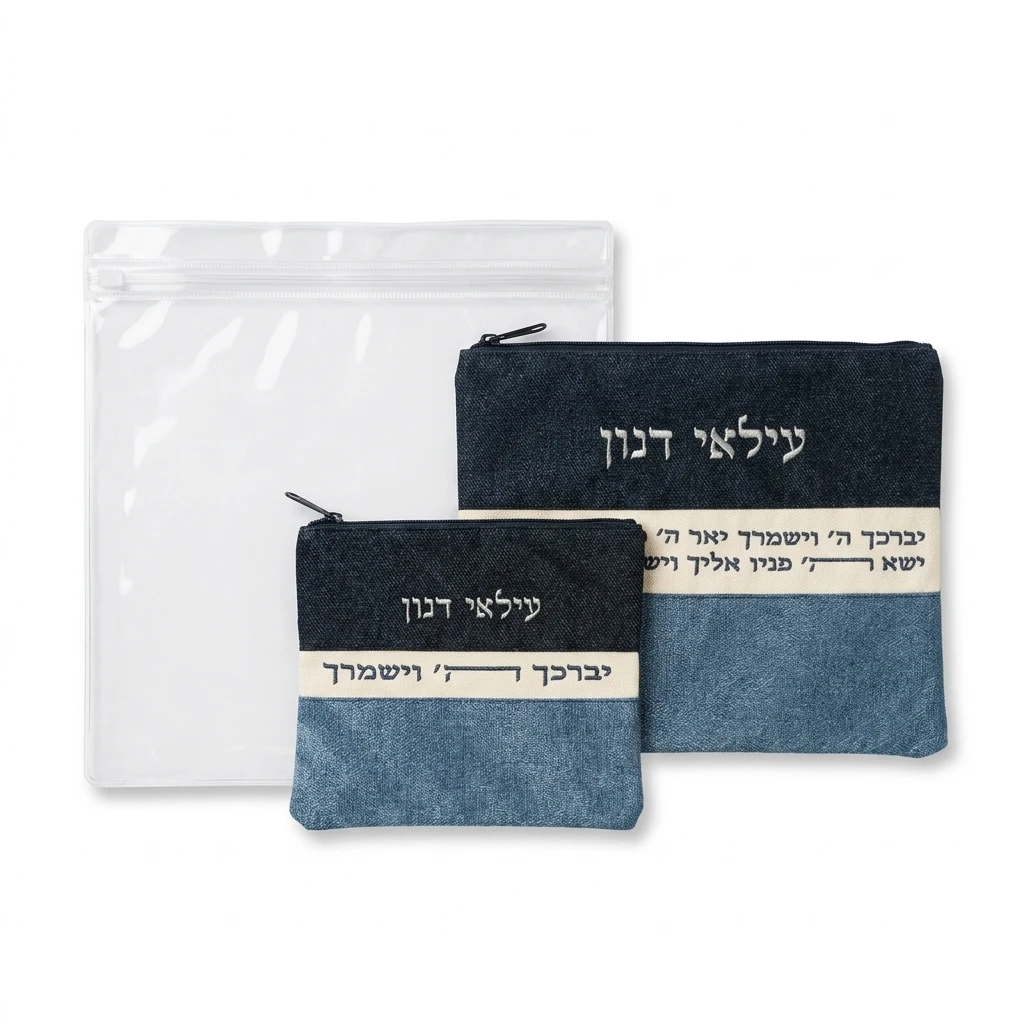
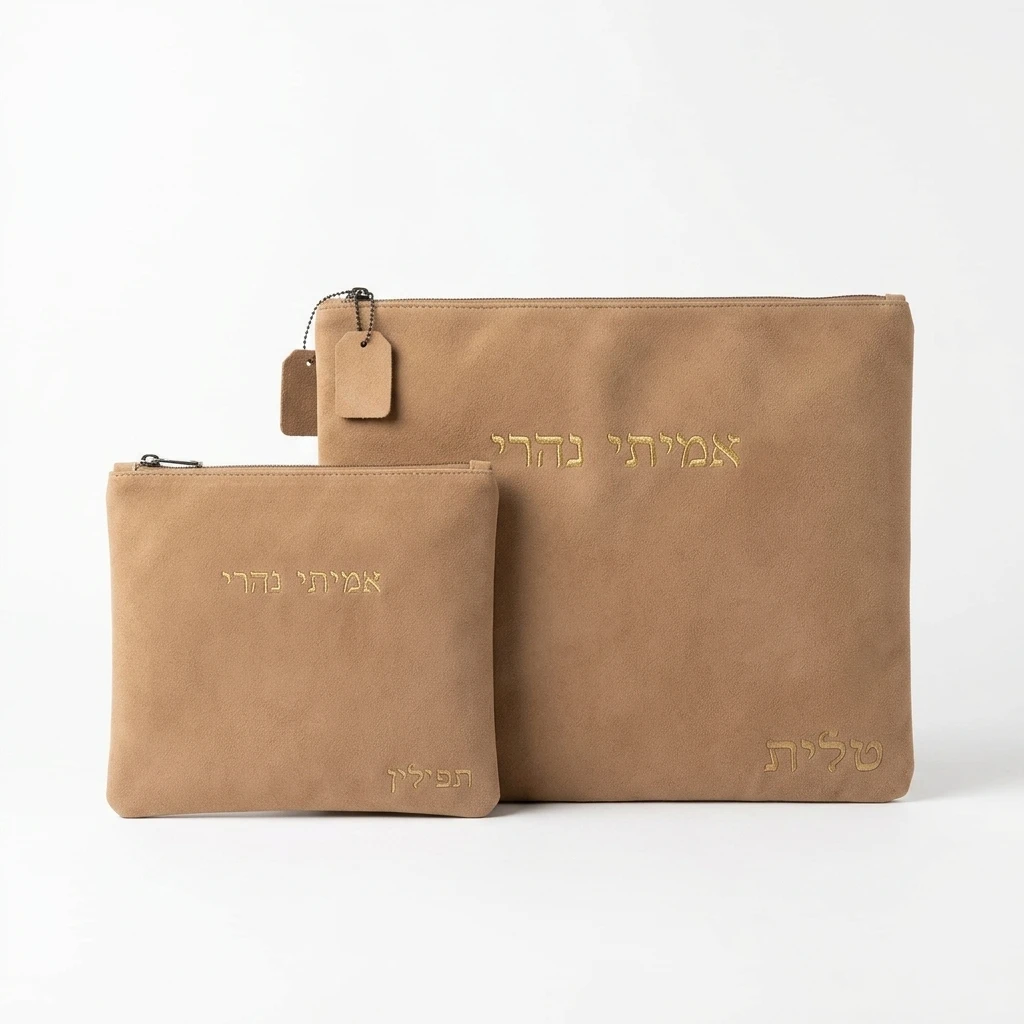
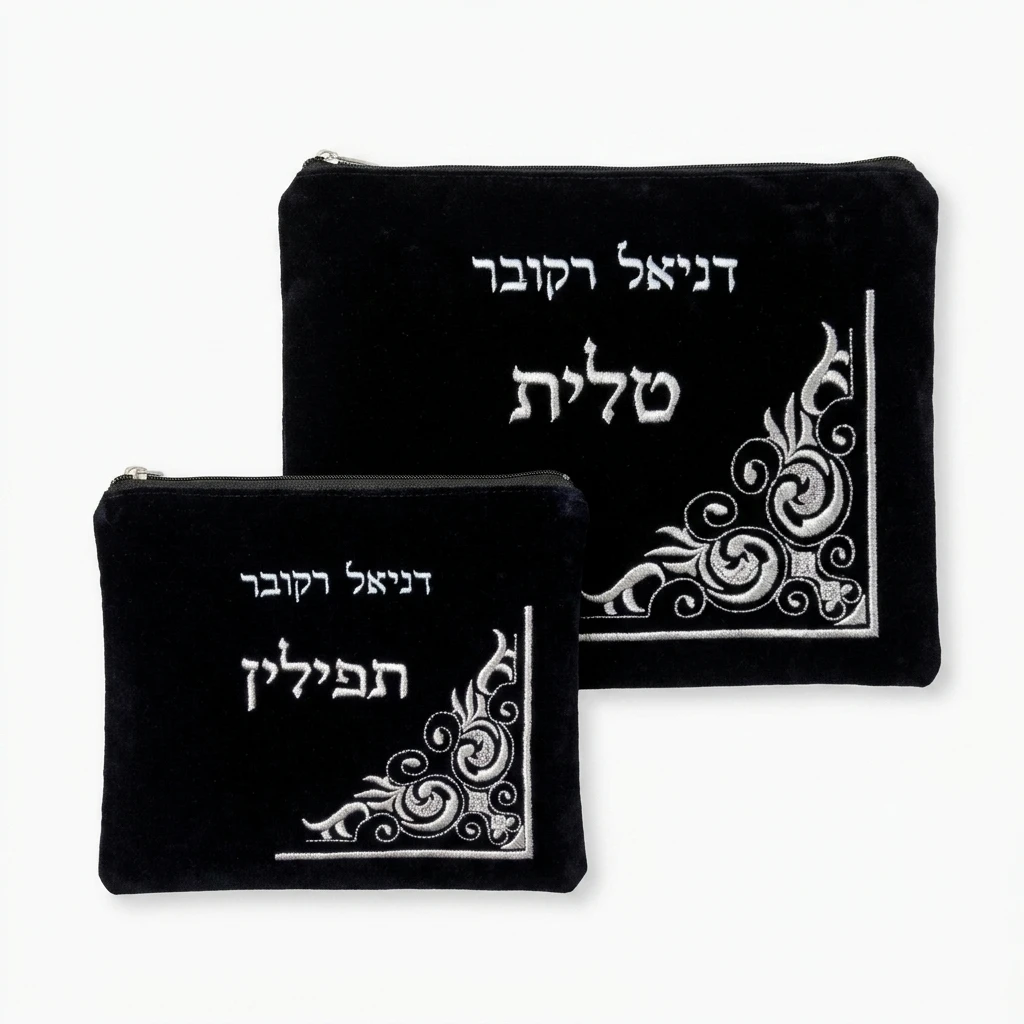
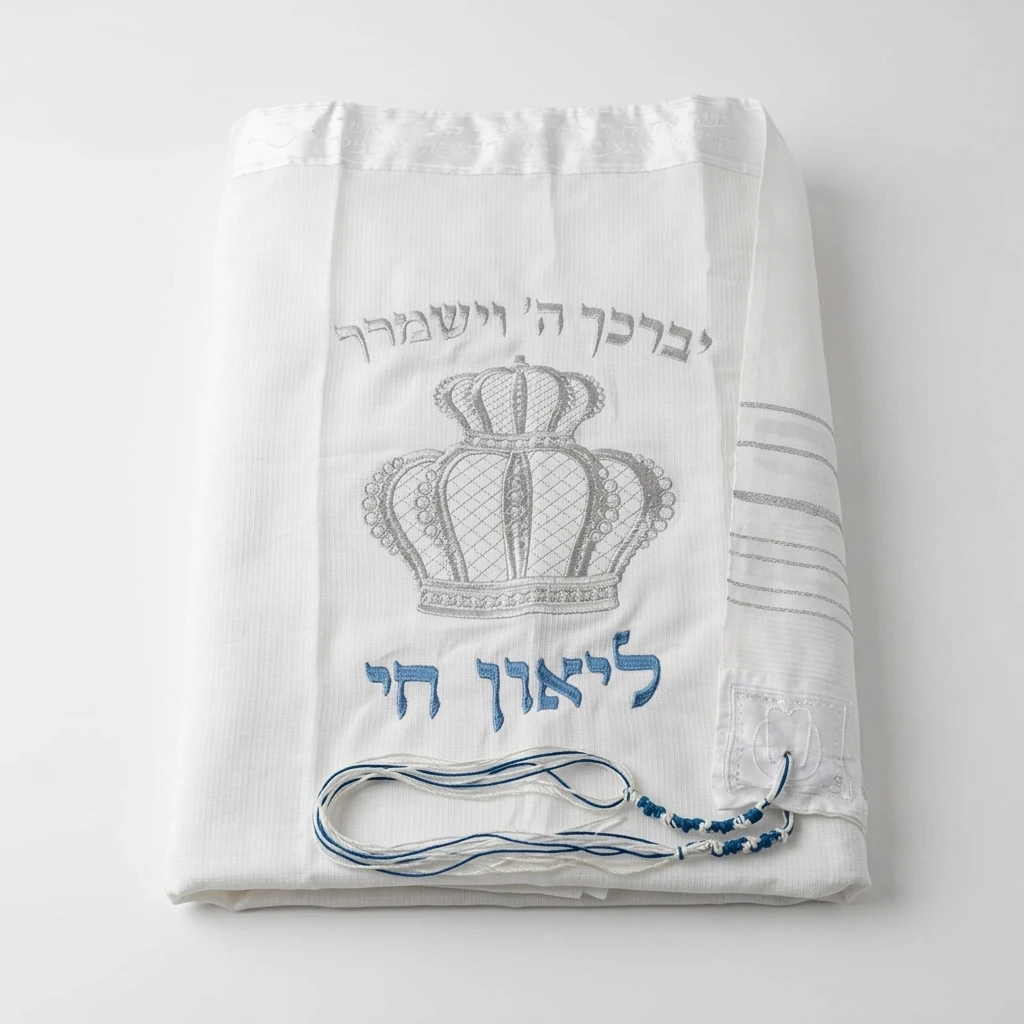
- Textile and spiritual products: Elegant tallitot, challah covers, and parochet. Here, the soul is expressed through embroidery, handmade craftsmanship, and quality fabrics (such as 100% cotton or Rachel wool) that provide a festive feeling every time anew.
Added value: the “50/50 rule” in choosing sacred products
How do you know if the sacred product you are buying is really worth the price? Our golden tip: Use the 50/50 rule. 50% of the budget and attention should go toContent (kashrut certification, quality of the parchment, type of fabric), and 50% toPackage (design, brand, material durability). A sacred product that invests only in design may turn out to be not kosher, and a product that invests only in kashrut but not in material quality may wear out within a few months.
From our experience: “Cheap is sometimes very expensive.” In the field of sacred products, an extremely low price may indicate printed parchments or materials that oxidize and peel. Always prefer a place that gives you a warranty certificate and a professional contact for any questions.
Before you renew your next sacred item, we have gathered for you the most pressing questions raised by our customers in the selection process.
Questions and answers
How can you tell if a sacred products store is reliable? A reliable store is one that shows full transparency. Ask about the source of the parchments, request to see certification documents of the soferim (scribes), and make sure there is a professional human response. At ‘Ot Mesamayim’ we adhere to “k’lah k’bhamurah” and provide the customer with all halachic and technical information before purchase.
What is the difference between handmade sacred products and industrial production? Handmade work (such as embroidery on a challah cover or writing a scroll) gives the product a “soul” and uniqueness – no two items are identical. Industrial production is usually more precise and cheaper, but it lacks the personal touch and special refinement that comes with authentic Jewish artisan craftsmanship.
Are designed (modern) holy objects less kosher? Not at all. The external design of the mezuzah case or the kiddush cup is a matter of taste. As long as the “heart” (the scroll or the cup itself) meets halachic requirements, modern design is a wonderful way to fulfill “This is my God, and I glorify Him” and adapt the mitzvah to today’s world.
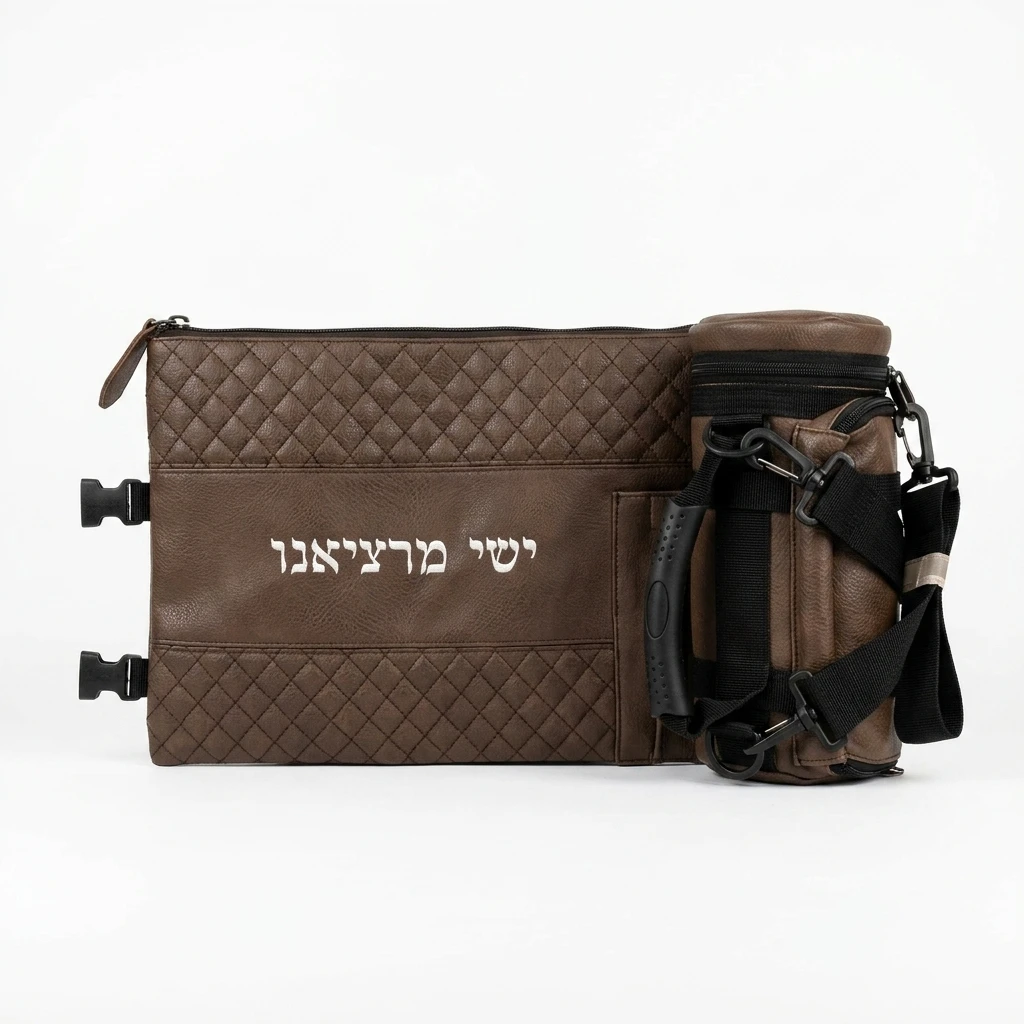
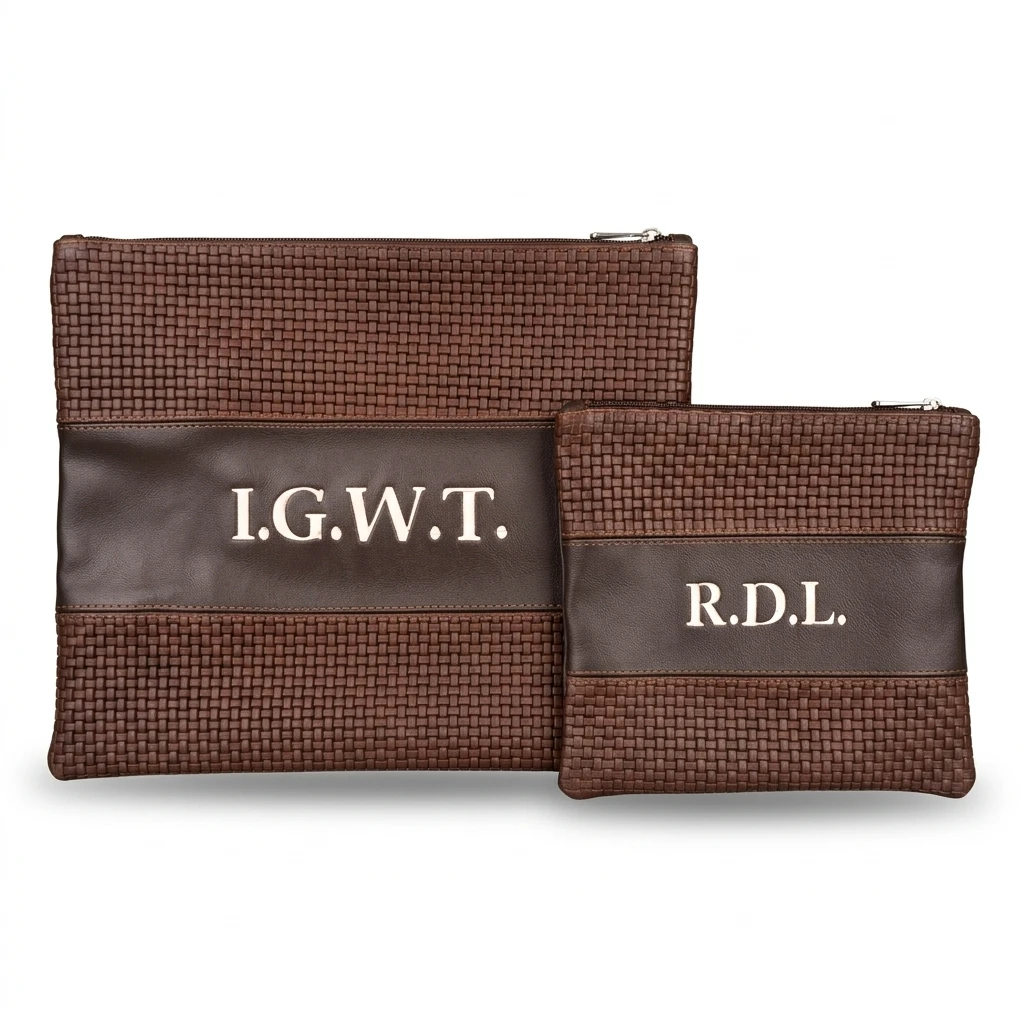
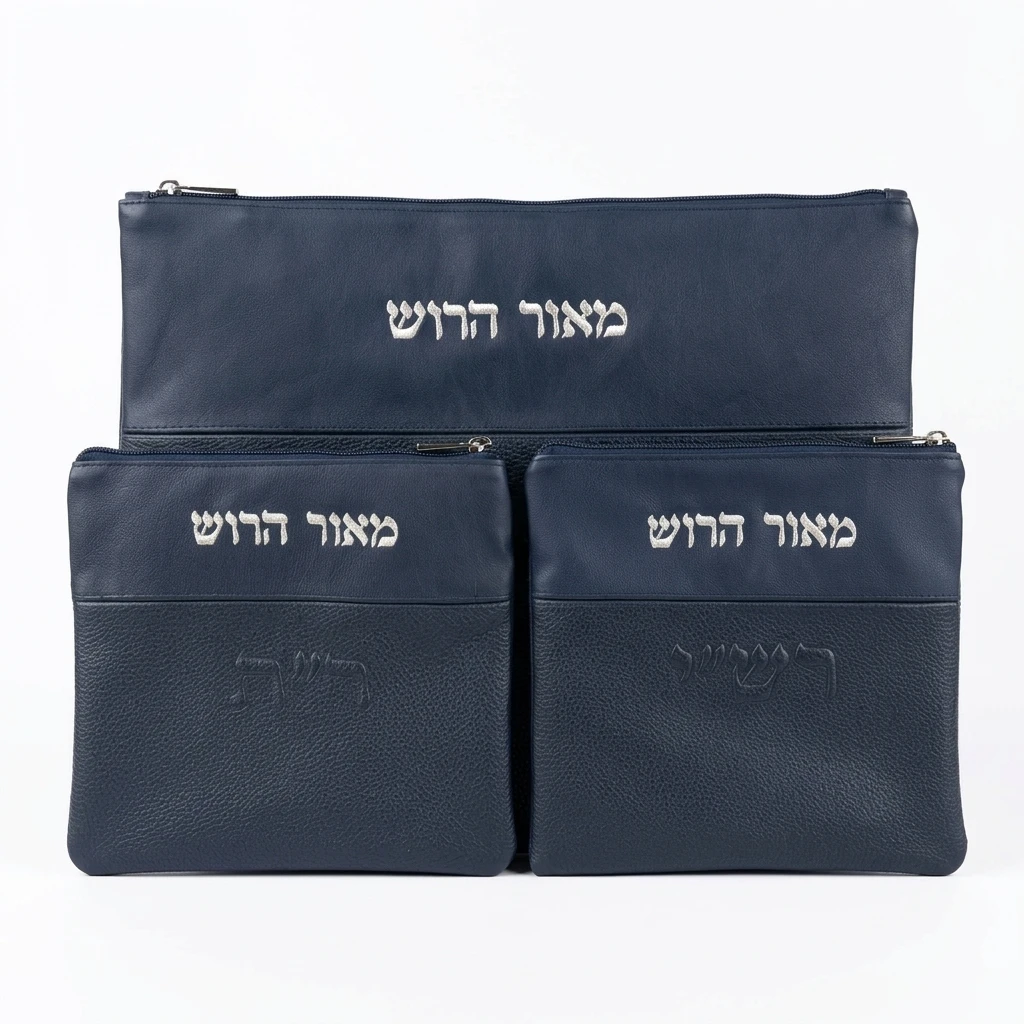
How to preserve holy objects over the years? The secret is proper storage. Textile products should be kept in breathable cases, and metal items should be kept away from harsh cleaning agents. Periodic airing and checking mezuzot and tefillin once every 3.5 years are key to maintaining the value and sanctity of the items.
Looking to bring holiness and refinement into your home? From heaven awaits you a rich and meticulous selection of holy items of uncompromising quality – from kosher l’chatchila ritual objects to stunning Jewish art for everyday and holiday use.
Need professional advice or looking for a special item you haven’t found? Contact us now – our friendly and professional service is waiting for you!