What is a mezuzah?
גדולה ועצומה מצוות מזוזה אשר מזכירים אותה בכל יום בקריאת שמע שחרית וערבית אלפי שנים יהודים בכל העולם באומרם “וכתבתם על מזוזות ביתך ובשעריך”.
ומסופר במדרש (בראשית רבה, ל”ה) על המלך ארטבן ששלח לרבי יהודה הנשיא מתנה, מרגלית יקרה בעלת ערך רב ביותר, והוא ביקש ממנו “שלח לי בחזרה מתנה טובה, ששווה בערכה למתנה זו ששלחתי לך”. שלח לו רבי יהודה הנשיא כתמורה – מזוזה. כשהמלך ארטבן ראה את המזוזה שרבי יהודה שלח לו, הוא שיגר לו הודעה: “אני שלחתי לך מתנה שאין לה כלל הערכה כספית, ואתה שולח לי מתנה שניתן לרכוש אותה במטבעות בודדות? השיב לו רבי יהודה: לעומת התורה ומצוותיה – חפצי וחפציך לא ישוו בה, ואתה שלחת לי מתנה שאני צריך לשמור עליה, ולעומת זאת אני שלחתי לך מתנה שאתה יכול לשכב לישון – והיא תשמור עליך.
ובספר ‘שאילתות’ של רב אחאי גאון מובא המשך לסיפור זה, שנכנסה שדה לביתו של המלך ארטבן וקבעה את משכנה בגופה של בתו היחידה. המלך הזעיק את טובי הרופאים – ולא היה בידם להועיל לה. “כיון שנטל ארטבן את המזוזה ושם לה על הפתח – מיד ברחה אותה שדה”
ומובא בגמרא (מנחות לג:, ע”ז יא.) אמר רבי חנינא בוא וראה שלא כמידת הקדוש ברוך הוא מידת בשר ודם, מלך יושב מבפנים ועבדיו משמרין אותו מבחוץ, ומידת הקדוש ברוך הוא אינו כן, עבדיו יושבין מבפנים והוא משמרן מבחוץ, שנאמר “ה’ שומרך ה’ צלך על יד ימינך”. וביאר בשו”ת חתם סופר (או”ח סימן קלו) שמצות מזוזה רמוזה בפסוק זה, כי כשיוצא ונכנס בפתח הקדוש ברוך הוא משמר אותו, והרי הוא יתברך כמו צל שמתלווה לאדם בעת הילוכו, וזו הכוונה במילים “צלך על יד ימיניך”.
ומובא בתיקוני זוהר (תיקונא עשיראה דף כה.) “דא רזא דמזוזה (זה סוד המזוזה) דאתמר בה (שנאמר בה) “וכתבתם על מזוזות ביתך” – מזוזת כתיב – זז מות”, עד כאן לשון הזוהר. כלומר יש ביכולתה של מצות מזוזה להזיז את המוות.
והמרדכי כתב בשם מהר”ם: “ומובטח אני שכל בית שמתוקן במזוזה כהלכתה אין שום מזיק יכול לשלוט בו”
הכסף משנה כותב “כאשר המזוזה כתובה כתקנתה חופפת שמירת ה’ יתברך על הבית”.
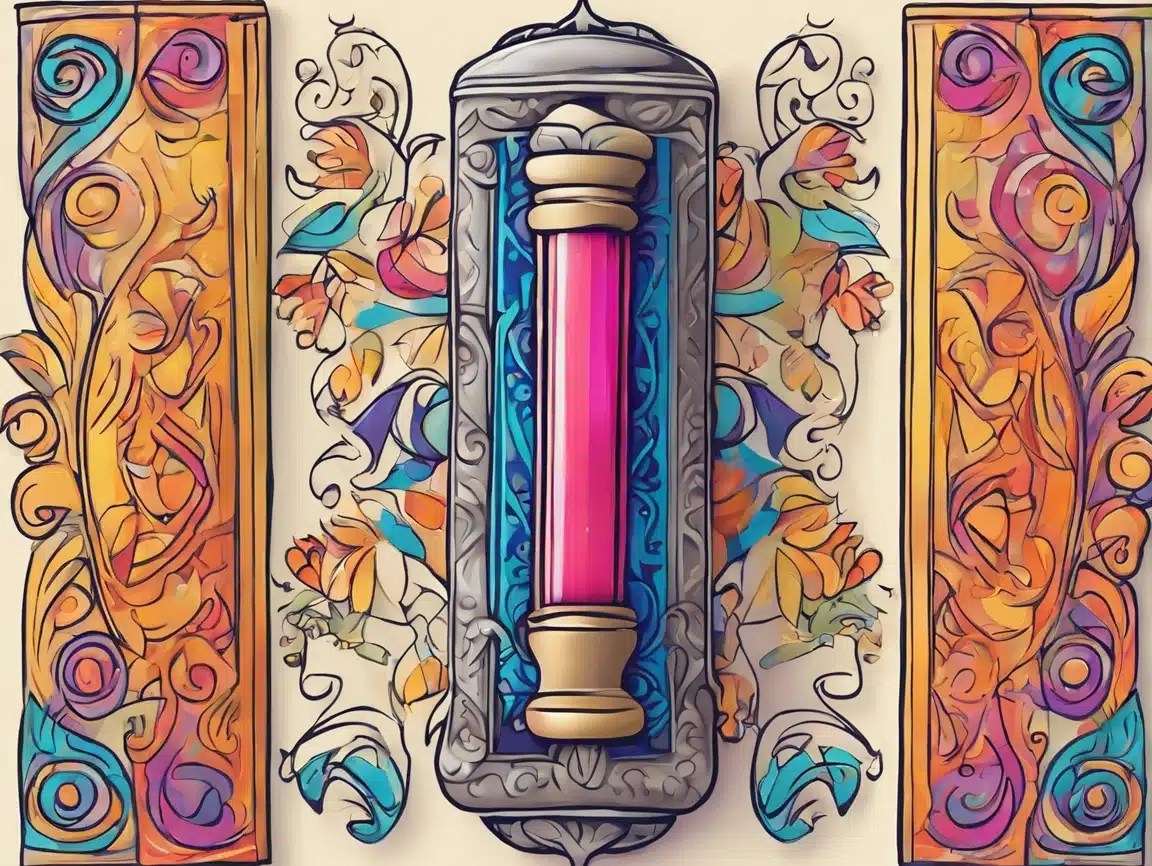
So basically – what is a mezuzah? What is a mezuzah scroll? What is a mezuzah case?A mezuzah consists of a mezuzah scroll + a mezuzah case. What is written in the mezuzah? That is, what is written on the mezuzah scroll? The main part of the mezuzah is a parchment sheet made from the skin of a kosher animal, upon which a scribe writes (STaM acronym: Sifrei Torah, Tefillin, Mezuzot) in a special script called STaM script 2 passages – “Shema Yisrael” and “Vehaya im shamoa.” This mezuzah scroll is then rolled from end to beginning and placed inside an elongated box called a mezuzah case.
The mezuzah case is not the main part of the mezuzah; rather, it protects the mezuzah. It is its “house,” essentially a container that holds the main part of the mezuzah—the mezuzah scroll—which has the two passages “Shema Yisrael” and “Vehaya im shamoa” written on it, and so forth.What is Shaddai on the mezuzah?After explaining what is written in the mezuzah, it is necessary to understand what Shaddai on the mezuzah means, that is, why the name Shaddai (one of the names of the Holy One, blessed be He) is written on the back side of the mezuzah.
The reason Shaddai is written on the mezuzah is because it is an acronym ש‘Mor ד‘Letot י‘Israel. It is brought in the Zohar (New Zohar Ruth vol. 2, page 25:) that the door that has a mezuzah affixed to it neither causes harm nor is approached by Satan or a great pestilence, because the Holy One, Blessed be He, guards the entrance. Even when permission is given to the destroying angel to harm, he raises his eyes and sees that the name Shaddai is on the mezuzah standing at the door. It is also brought in the Zohar (Parashat Va’etchanan, vol. 7, page 260) that the name Shaddai on the mezuzah is effective only when the two aforementioned sections of the mezuzah are written properly according to halacha.
And in Rabbeinu Bachya (Parashat Va’etchanan) it is explained plainly that the reason for writing the name Shaddai on the mezuzah is because the nations of the world believe the prosperity of homes depends on the configuration of the stars, and since the name Shaddai ‘subdues’ and dominates the cosmic system, the name Shaddai is written on the mezuzah to imply that from Him comes the abundance and good entering the homes, and not from the arrangement of the stars.
In the writings of the Ari Zal (Gates of Introductions, end of the Great Drasha regarding the Tree of Knowledge of Good and Evil, page 43) it is written that the secret of the verse “And Shaddai will be in need” means that the name Shaddai written on the back of the mezuzah stands there to guard against ‘enemies’ and foes who are the kelipot so that they will not harm.
One must affix the mezuzah so that the name Shaddai on the mezuzah faces outward, meaning that the name Shaddai is visible when it is fixed in its place; but all this applies specifically if the place is clean. However, in a place where there is concern that something unclean or unfit may touch the mezuzah, it should be covered. There are those who do not practice that the name Shaddai on the mezuzah be visible from the outside but are satisfied with what is externally visible on the mezuzah – the letter Shin. Apparently, the letter Shin is a remembrance of this (see on this matter the book Shaarei HaMezuzah, chapter 15, note 19).How do you put up a mezuzah? How do you install a mezuzah?Many ask – how do you affix a mezuzah on the door? How do you install a mezuzah? The answer is that the mezuzah is placed on the right side of the doorway at the entrance to the room or house, in the upper third of the doorframe side. Sephardic Jews tend to affix the mezuzah upright, while Ashkenazi and Moroccan Jews often tilt it slightly diagonally. And if one placed the mezuzah on the left side of the doorway – it is invalid (Shulchan Aruch Yoreh Deah Siman 287, Se’if Bet) and must be removed from the left side and properly affixed on the right side.
It must be firmly attached to the right side of the entrance so that the mezuzah does not fall off, for example with nails or glue. Before affixing the mezuzah, one should recite the blessing: “Blessed are You, Lord our God, King of the Universe, who has sanctified us with His commandments and commanded us to affix a mezuzah.” Even if affixing multiple mezuzahs, one blessing suffices for all.
It is necessary to study the laws to know in which rooms a mezuzah is obligatory and in which it is exempt. Because only a doorway that has two doorposts and a lintel and faces a room measuring four cubits (192 cm) by four cubits requires a mezuzah. There are cases where the doorway is exempt, or requires a mezuzah without the blessing when affixing it. Therefore, if it is unclear, one should consult in each case a rabbi or someone knowledgeable in halacha. And you can see at this link In general, which room requires a mezuzah and which room is exempt from a mezuzah.Why do we place a mezuzah on the right side and not on the left side?The reason the mezuzah is placed on the right side of the entrance from the right of the person entering the house or room, and not on the left side of the entrant, originates from the holy Talmud regarding the verse “And you shall write them on the doorposts of your house,” where there is a meaning of “your coming in,” that is: the mezuzah should be affixed on the side where one ‘comes’ into the house.Mezuzah inspection – How often should a mezuzah be checked?
צריך לבדוק את מזוזות הבית לפחות כל 3.5 שנים. ומזוזה הקבועה במקום ששייך לרבים במקום ציבורי ולא בבית פרטי – יש לבדוק אותה לפחות כל 25 שנה.
ובספר שולחן גבוה כתב שסיבת הדבר שבדיקת מזוזה של רבים היא רק פעם ב-25 שנה ולא כמו בדיקת מזוזה בבית פרטי שהיא רק פעם ב 3.5 שנה – זה מפני שמזוזה הנמצאת במקום ציבורי יש בו הרבה אנשים ואין העש (סוג של חרק שאוכל את קלף המזוזה ועל ידי זה נמחקים אותיות ונפסלת המזוזה) מצוי בו אלא רק לאחר הרבה זמן, וכמו שרואים בספרים ישנים כשהרבה אנשים משתמשים בהם אין בהם עש, וכשאין משתמשים בספרים העש אוכלם.
ואפילו שנתבאר שחייב לבדוק את המזוזות בבית רק פעם ב-3.5 שנים, יש נוהגים במידת חסידות לבדוק את המזוזות כל שנה בחודש אלול.
ומנהג ישראל שאם יש איזו צרה או חולה בבית רח”ל – בודקים את המזוזות אפילו שלא עברו 3.5 שנים.
וצריך להיזהר מאוד במצוות בדיקת מזוזה שהיא מגינה על האדם ומארכת חיים. וידוע כמה מחלות שהתרפאו וכמה צרות שבאו לידי תיקון לאחר שתיקנו את המזוזות, והדברים ידועים ומפורסמים. ומעשה היה במקום ציבורי שהיו בו כמה מקרים של פטירה ובדקו המזוזות ומצאום מתולעות רח”ל (ספר שערי המזוזה פרק כ ס”ב).
ועוד מקרה מצער היה באדם שנפגע בתאונת דרכים, ובבדיקת המזוזה שהייתה קבועה בפתחו נמצא שהמילה “נפשך” הייתה פסולה. והיה מקרה שמישהו ביקש לבדוק את המזוזה שבבית קרובת משפחתו, שלא זכתה לילדים שנים רבות. ובבדיקת המזוזת שלה נמצא שבמילה “בניכם” פסולה האות י’. מיד לאחר החלפת המזוזות נפקדה האישה בתאומים… מזל טוב! ואפשר לעשות ספר שלם רק מהמקרים האלו.
And it is important to know: All the protective virtues of the mezuzah exist only when the mezuzah is kosher according to halacha. Therefore, one must purchase the mezuzah from a reliable store whose owner is known to be God-fearing. And one should keep in mind – that the mezuzah contains 713 letters, and each letter can have several forms that could invalidate it, and if there is a fault, G-d forbid, in even one of the 713 letters, the mezuzah is invalid according to law.
In any case, the person’s intention during its placement should not be for protection, or to receive reward in the world to come, but all their intention should be to fulfill the commandment of the Blessed Creator (Sefer Yalkut Yosef Chuppah and Kiddushin p. 928).How to keep the mezuzahs from becoming invalid?One must be very careful that the mezuzah does not become invalid or erased, therefore, when painting the house near the mezuzahs, they must be removed before painting so the moisture from the paint does not damage the mezuzah. And when cleaning the doors, one must ensure not to clean near the mezuzah with water or cleaning agents as this causes damage to the mezuzahs and may invalidate them. And if the mezuzah is outside, the mezuzah scroll should be placed inside a mezuzah case resistant to outdoor conditions so that sun heat and rain do not harm the mezuzah.